






Victorian Painted Occasional Table
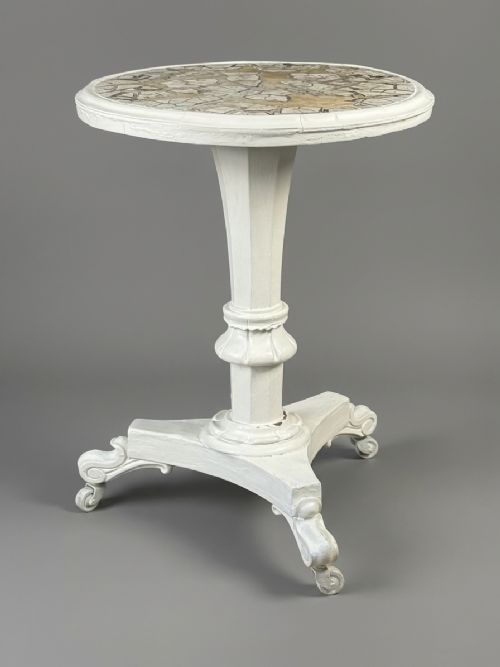
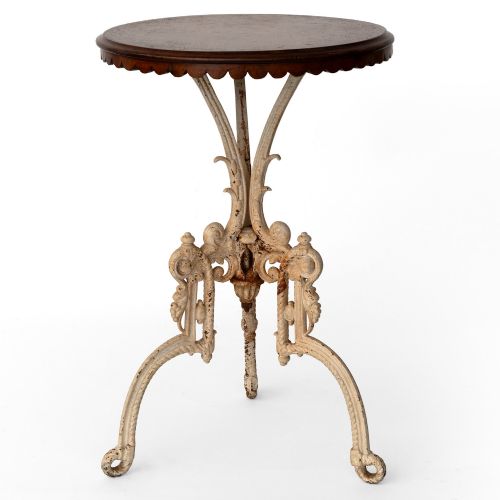
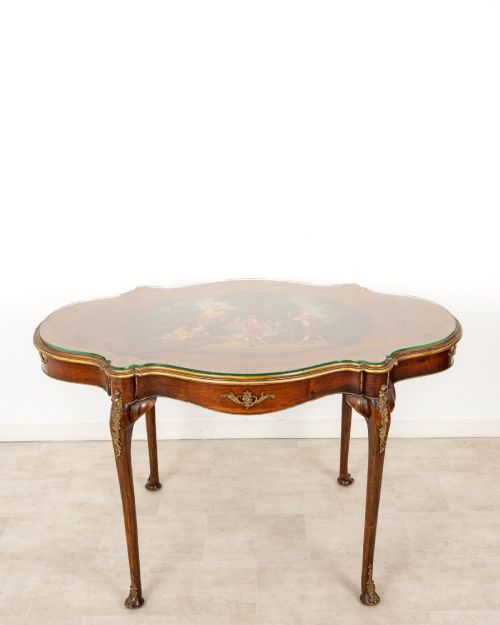
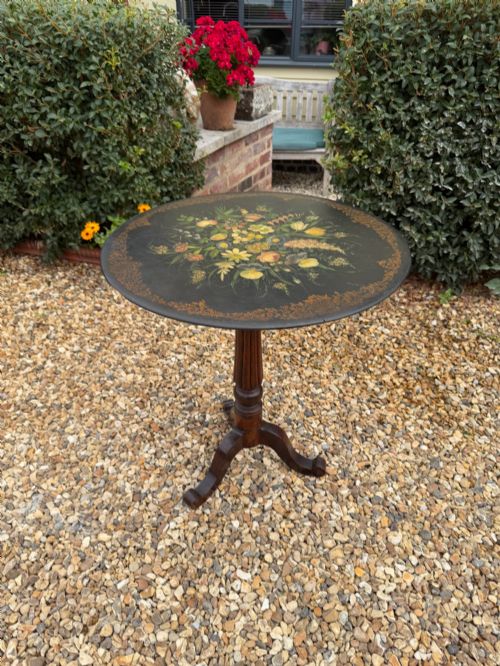
A victorian painted occasional table brings hand-decorated surfaces and compact utility into a room, offering a versatile piece designed for display or light daily use.
Victorian Painted Occasional Table
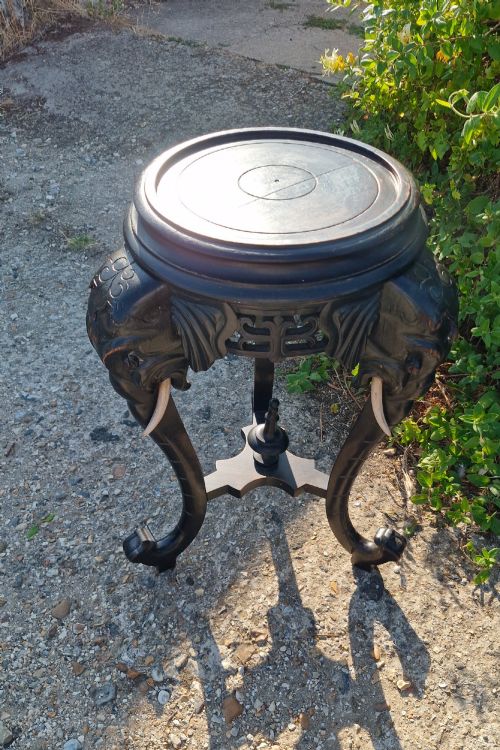
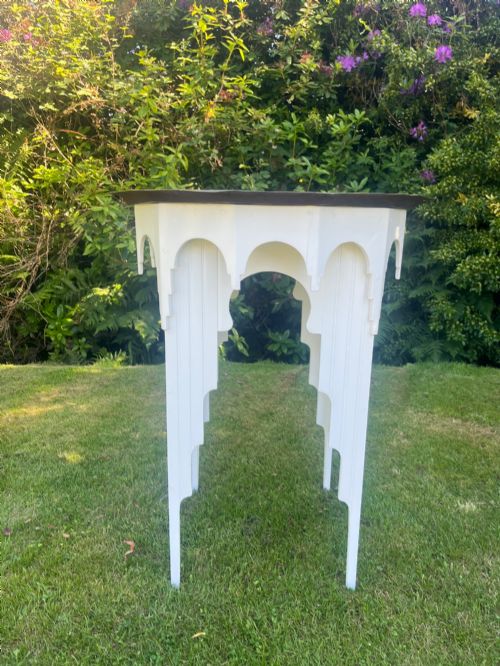
A victorian painted occasional table encompasses a range of small nineteenth-century stands designed for flexible placement in domestic interiors. These pieces appear in forms such as tilt-top wine tables, lamp tables, gypsy tables, and nests, dating from the mid-nineteenth century onwards.
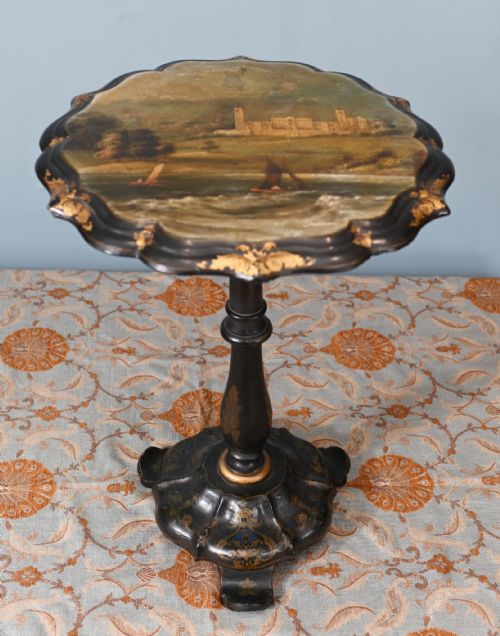
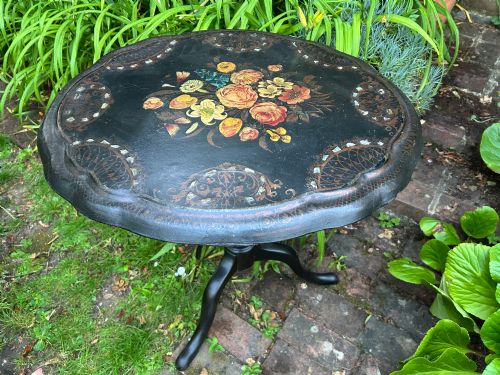
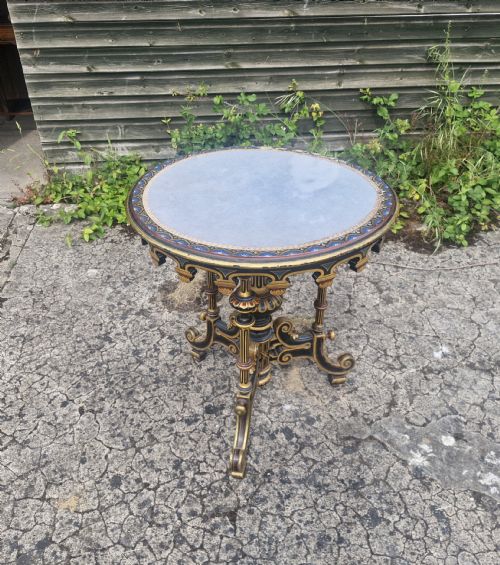
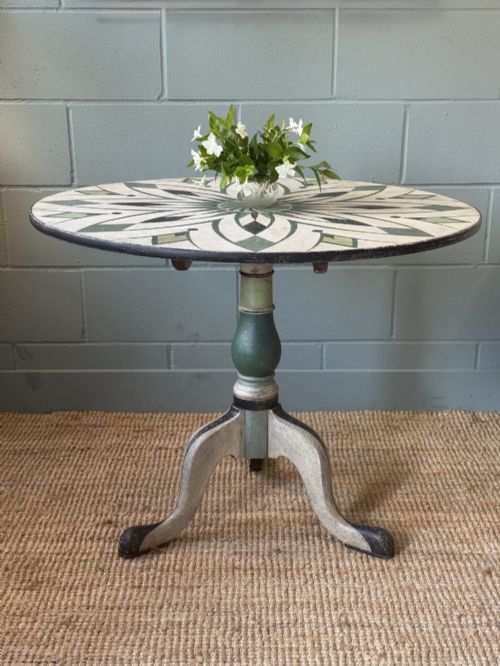
The decorative schemes on these surfaces vary widely across the selection. Examples show Chinoiserie lacquer, floral motifs on pine or mahogany, japanning, and later polychrome or decorative embellishments applied to timber, papier-mâché, and bamboo.
Materials and construction methods
Maker construction relies on traditional timbers including pine, mahogany, satinwood, and oak, alongside alternative substrates like papier-mâché and tiger bamboo. Surfaces are prepared with paint, lacquer, or ebonisation before receiving hand-painted ornament, gilding, or mother-of-pearl inlay.
Mechanisms on specific forms, such as tilt-top tables, utilise brass hinges and pivoting blocks to allow the tabletop to drop vertically when not in use. Tripod pedestals and four-legged frames support the upper surfaces, occasionally incorporating trays or lower tiers.
Victorian Painted Occasional Table Retail Price Guide 2026
Typical asking prices for victorian painted occasional table among the pieces listed under this phrase on Sellingantiques today, from the lower quarter to the upper quarter. They describe what is for sale here now, not the wider market.
Distinctions in quality and finish
Execution of the painted surface dictates much of the distinction between standard examples and finer works. Delicately rendered hand-painted botanical or Chinoiserie details demonstrate greater artisan skill than simplified or later applied floral decoration.
Structural integrity and material selection separate robust pieces from lighter items. Dense timbers like satinwood and mahogany, stable papier-mâché mouldings, and well-fitted pedestal joints indicate higher standards of period craftsmanship.
The Victorian Painted Occasional Table Glossary
- Occasional table
- A small, movable table intended for specific, non-permanent uses around a living space. These pieces include lamp tables, side tables, and wine stands.
- Tilt-top table
- A table featuring a hinged top that pivots to a vertical position for storage against a wall. This mechanism typically operates on a birdcage or block pivot above a tripod base.
- Papier-mâché
- A composite material made from paper pulp or layers of paper bound with glue, pressed, and hardened. It provides a smooth base for lacquer and mother-of-pearl inlay.
- Chinoiserie
- European artistic style reflecting Chinese decorative motifs and landscapes. The technique employs lacquer, gilding, and painted scenes on furniture surfaces.
- Japanning
- A European imitation of East Asian lacquerwork involving layered varnishes and heat curing. It frequently displays metallic decoration on a dark ground.
Victorian Painted Occasional Table: Frequently Asked Questions
What is a tilt-top mechanism?
A tilt-top mechanism allows the upper surface of a table to pivot from horizontal to vertical. This design enabled nineteenth-century households to store small stands flat against walls when floor space was required.
The pivot usually rests upon a turned pillar supported by three legs. Brass catches or wooden latches secure the tabletop when returned to the flat position.
How do I care for painted wood?
Painted and lacquered surfaces require protection from direct sunlight, moisture, and extreme temperature shifts. Dusting with a soft, dry cloth preserves the decorative layers without abrading the finish.
Polishes and chemical cleaners should be avoided, as they can soften historical paint and lacquer. Maintaining stable indoor humidity prevents timber movement underneath the paint.
What defines papier-mâché furniture?
Papier-mâché furniture is constructed from compressed paper pulp or layered sheets treated with binding agents to create a rigid form. Manufacturers shaped this material into trays, table tops, and stands before applying dark lacquer.
These pieces often feature inlaid mother-of-pearl and hand-painted accents. The material offered a smooth, stable surface for intricate decoration during the nineteenth century.
Where were occasional tables used?
Occasional tables served domestic functions in nineteenth-century drawing rooms, boudoirs, and parlours. They held lamps, books, sewing materials, and tea services.
Because of their light weight, servants or occupants could easily reposition them around a room as needed. Their diverse forms matched specific interior tasks.