



Victorian Painted Food Safe
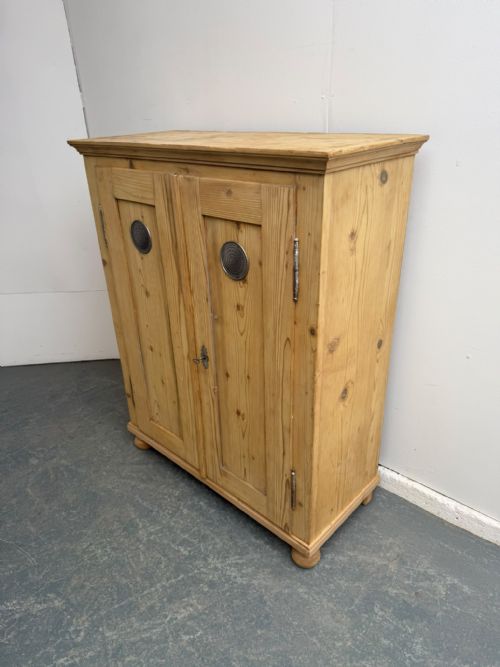
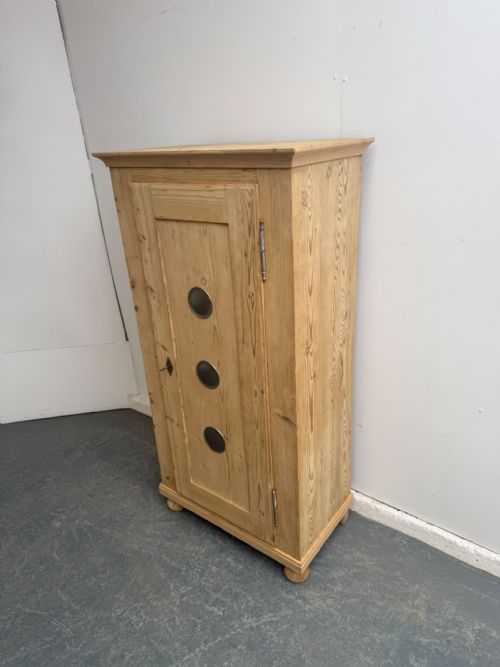
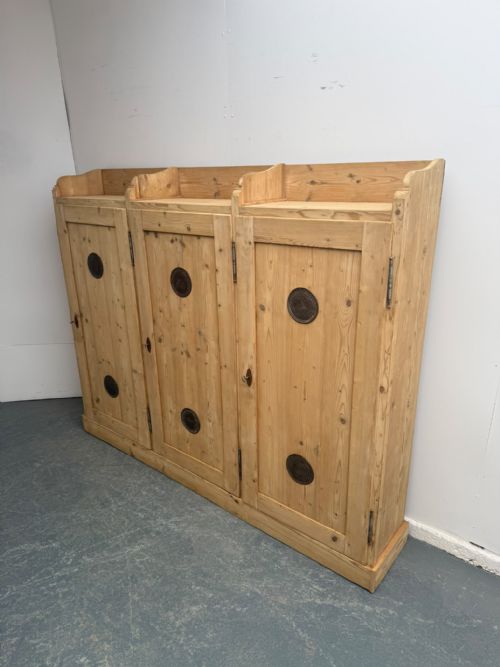
These Victorian painted food safe cabinets offer practical vintage storage, bringing rustic charm and painted character directly into a modern kitchen or larder.
Victorian Painted Food Safe
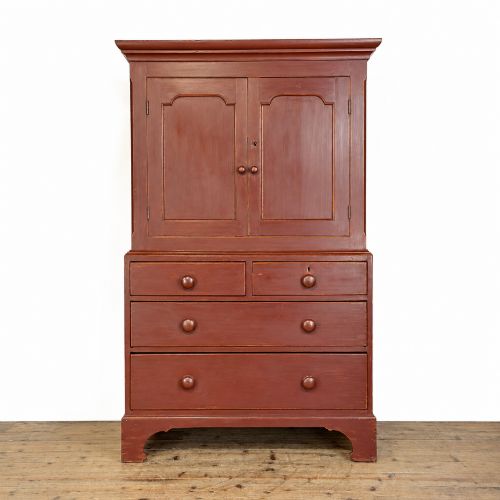
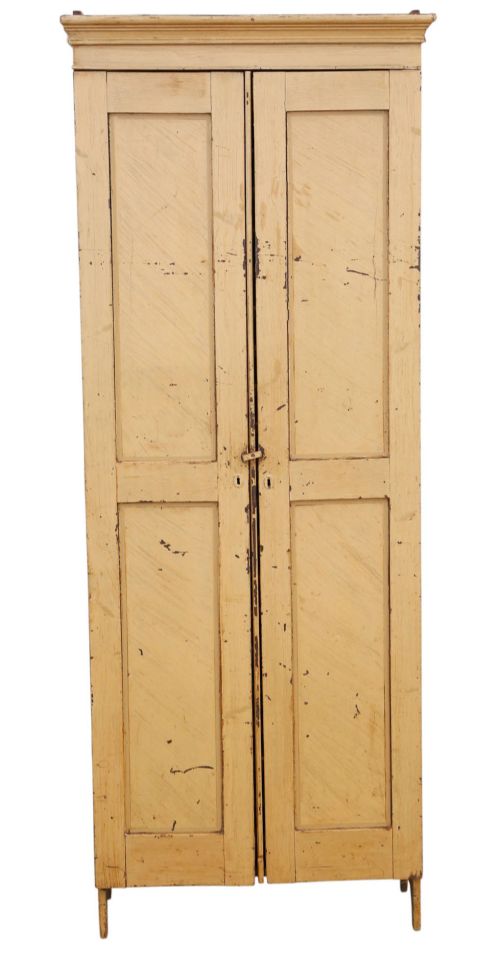
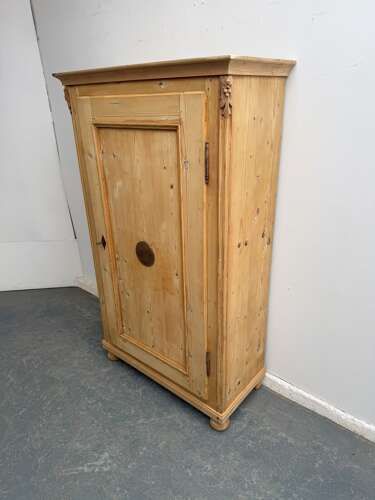
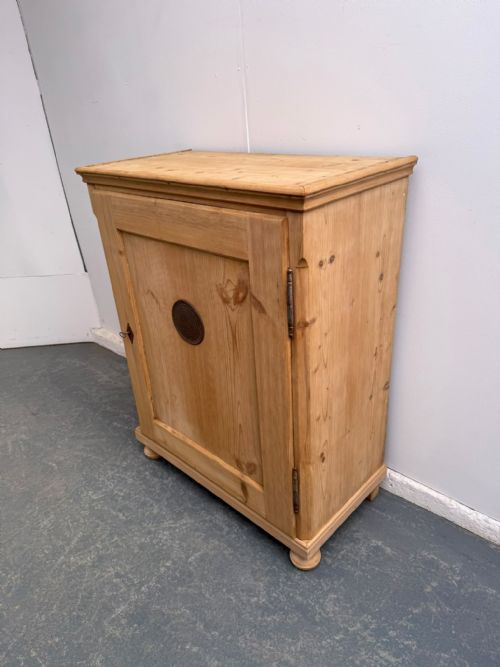
A Victorian painted food safe is essentially a functional cabinet designed historically to store provisions away from pests before the widespread use of domestic refrigeration. Buyers seeking this particular piece will find an array of utilitarian cupboards originating from the nineteenth century, encompassing tall narrow designs, low wide configurations, and specialised vented kitchen cabinets.
The examples seen on this page span several stylistic categories including Victorian Country, Welsh Vernacular, Rustic Farmhouse, and Folk Art. These pieces reflect the practical needs of nineteenth-century households, utilising simple forms built for daily domestic utility rather than formal parlour display.
Most items presented here take the form of kitchen cupboards, pantry cupboards, housekeeper cupboards, and larder cupboards. Shoppers are most likely to encounter pine carcases finished in historical or later paint, often featuring original ventilation elements designed to keep stored provisions cool and dry.
Materials and construction methods
Makers constructed these utilitarian cupboards primarily from pine, a robust and accessible timber well-suited to the demands of a nineteenth-century kitchen or larder. Carpenters joined the boards using traditional methods to build sturdy frames capable of supporting everyday household provisions and linen.
Iron and metal components appear frequently, specifically in the form of hardware, hinges, and ventilation grills. These metal elements were essential for securing doors and allowing crucial airflow into the cabinet interior to protect stored bread, cheese, and other perishables.
Surfaces are typically finished with paint or left as painted wood, sometimes displaying layered historic pigment or folk art decoration. Ceramic elements occasionally feature in the hardware or fittings, completing the straightforward construction of these country pieces.
Victorian Painted Food Safe Retail Price Guide 2026
Typical asking prices for victorian painted food safe among the pieces listed under this phrase on Sellingantiques today, from the lower quarter to the upper quarter. They describe what is for sale here now, not the wider market.
Materials recorded across current items include pine, iron, metal, ceramic, and painted wood surfaces.
Assessing quality and proportion
Quality in these vernacular cupboards rests largely on the integrity of the timber and the retention of original structural elements. Cabinets that maintain their original vented panels, backboards, and iron hardware sit at a different level of desirability compared to those with heavily replaced components.
Proportion and scale also dictate the appeal of a piece, with rarer tall narrow formats or low wide configurations offering distinct advantages for modern room layouts. The presence of untouched paint surfaces or authentic folk art detailing elevates an ordinary utility cupboard into a more compelling decorative object.
The Victorian Painted Food Safe Glossary
- Vented
- Fitted with perforated metal or mesh panels to permit airflow while keeping insects away from stored food. This defines the primary functional purpose of a food safe.
- Vernacular
- Architecture or furniture built by local craftsmen to local traditions using local materials, prioritizing utility over high-style academic design. These pieces often lack formal maker marks.
- Folk art
- Decorative painting or embellishment applied by untrained or traditional hands, reflecting regional aesthetic choices. On these cupboards, it frequently appears as surface decoration.
- Housekeeper cupboard
- A large storage cabinet traditionally used to store dry goods, linen, and household accounts under the care of a senior domestic servant. They share construction traits with larder cupboards.
Victorian Painted Food Safe: Frequently Asked Questions
What is a food safe?
A food safe is a nineteenth-century storage cabinet designed with vented panels to protect perishables from insects and dust before mechanical refrigeration existed.
These pieces were essential items in domestic kitchens, pantries, and larders for keeping bread, cheese, and meats fresh.
How do I date a Victorian cupboard?
Dating relies on examining construction techniques, timber characteristics, and nail types used in the assembly of the carcase. Nineteenth-century pieces typically show hand-sawn or early machine-sawn marks alongside traditional joinery.
Hardware styles and the presence of layered historic paint also help place a cabinet within the Victorian era or specific decades like the 1870s.
Where were these cupboards used?
They were utilised primarily in the working areas of houses, including kitchens, sculleries, and dairy rooms, where ventilation and cool storage mattered most.
Today, buyers repurpose them as freestanding kitchen pantries, linen stores, or decorative storage cabinets in living spaces.
Are painted finishes original?
Painted surfaces on nineteenth-century utility furniture vary significantly, with some pieces retaining early or original paint layers while others have been painted or stripped over time.
Examining the paint adherence and underlying timber helps determine the age of the surface coating and whether folk art decoration is contemporary to the piece.