
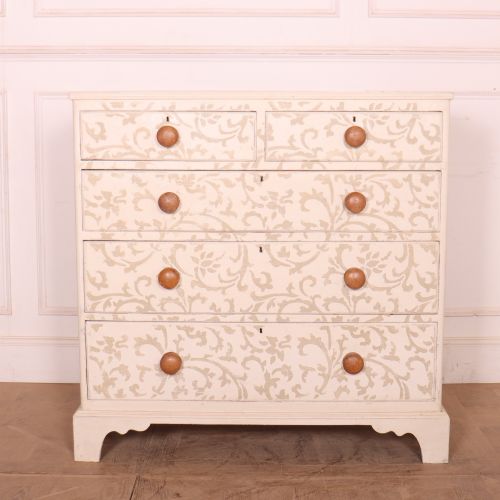
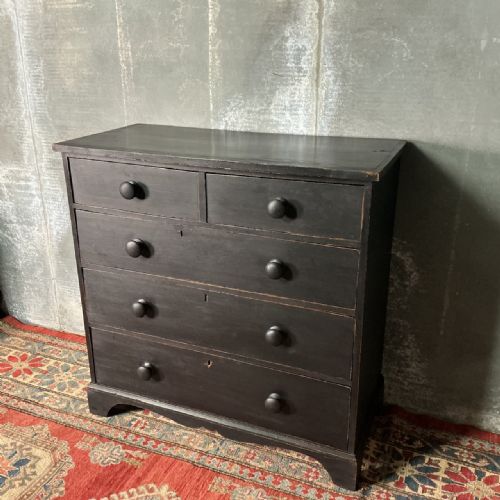
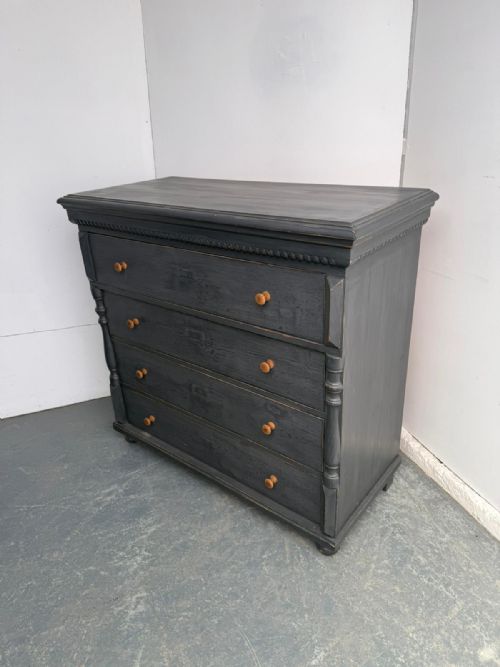
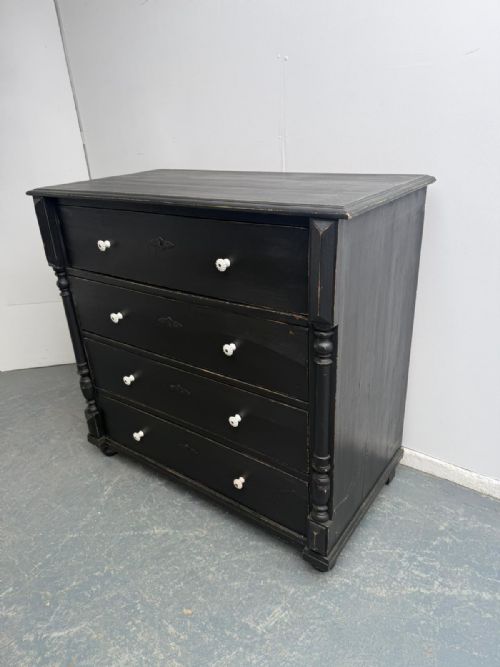
Victorian Painted Commode
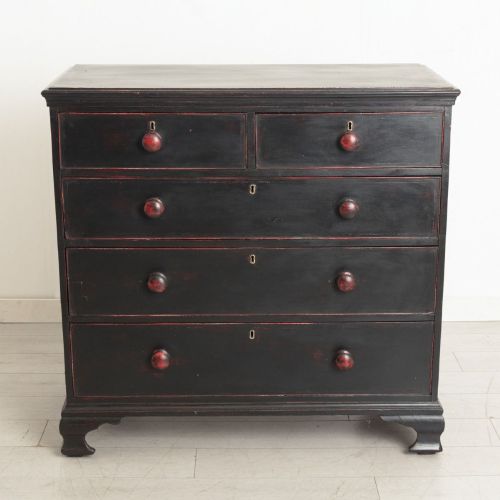
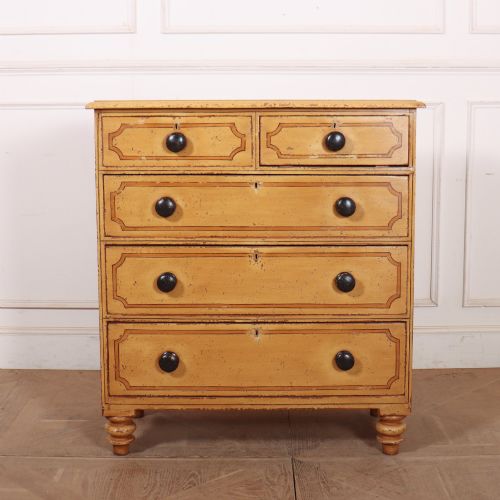
A victorian painted commode brings domestic colour and generous storage to a room through painted pine and satinwood.
Victorian Painted Commode
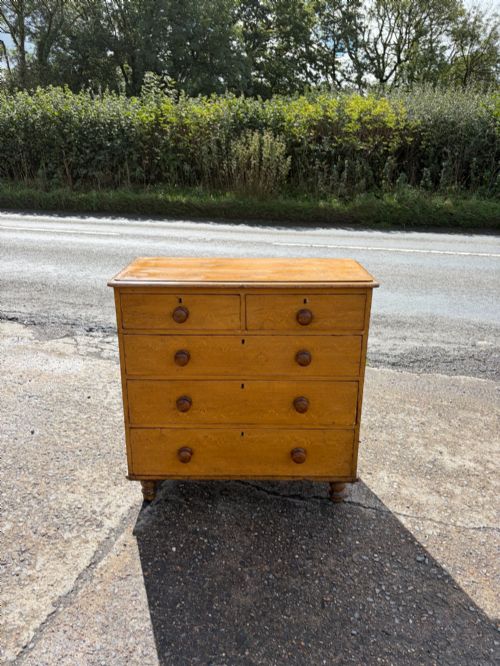
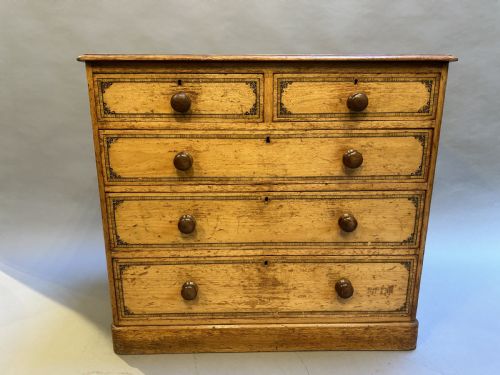
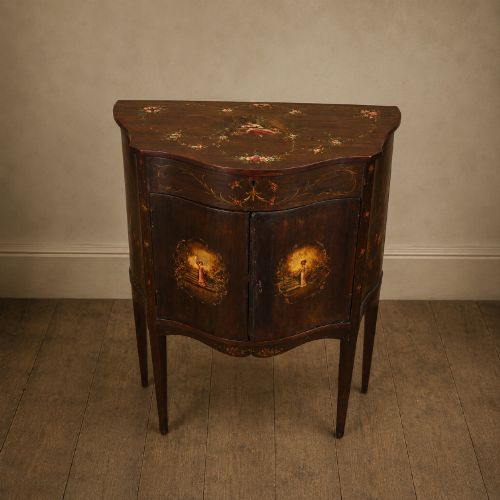
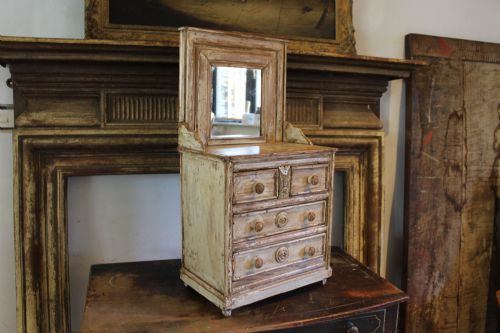
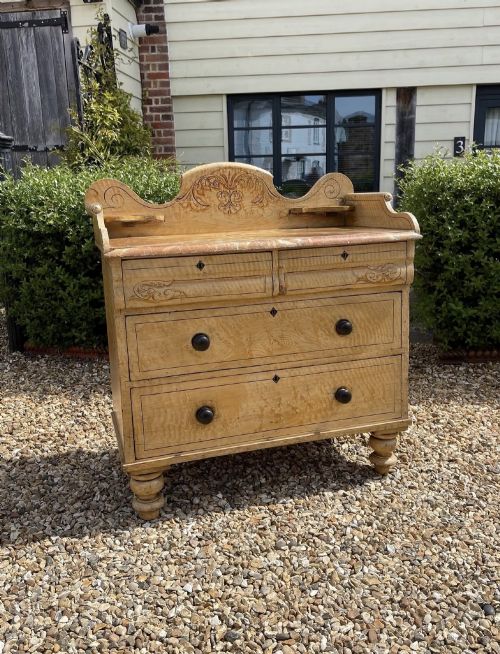
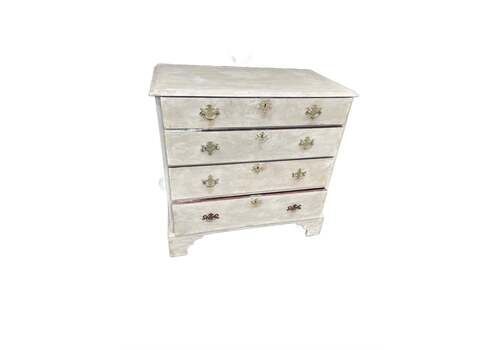
A victorian painted commode unites practical bedroom storage with decorative surface work, taking the form of chests of drawers, side cabinets, and washstands. The pieces on this page lean heavily towards country pine examples, alongside finer satinwood and mahogany revival pieces.
Most items date from the nineteenth century, including specific decades like the eighteen-eighties and eighteen-nineties, reflecting both English and continental workshops. Buyers will find sturdy country pieces in original scumble or flat colour sitting alongside delicate Sheraton Revival items.
How they were made
Makers constructed the carcases primarily from solid pine, mahogany, or satinwood, applying surface treatments that ranged from simple lead-based pigments to decorative scumble glazes. Brass hardware, ceramic pulls, and occasional glass or gilt-bronze mounts completed the fittings.
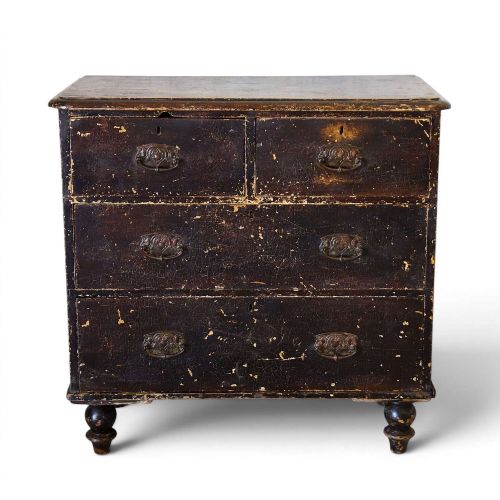
Painters used hand-applied finishes, stencilling, and simulated wood graining directly onto the timber substrates. Over decades, these layers acquired natural patina and wear, distinguishing untouched period surfaces from later redecorations.
Listings feature pine, mahogany, satinwood, and ash, finished with original paint, scumble, and brass hardware.
What varies in quality
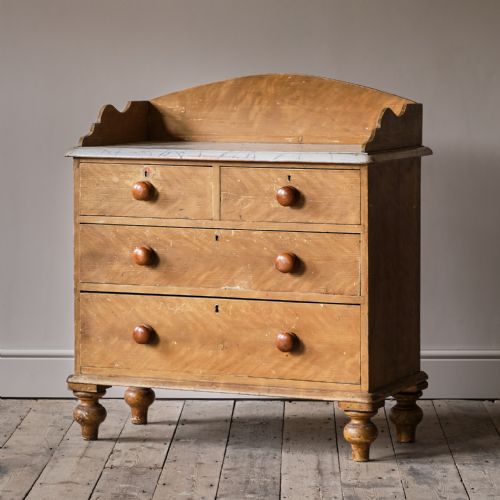
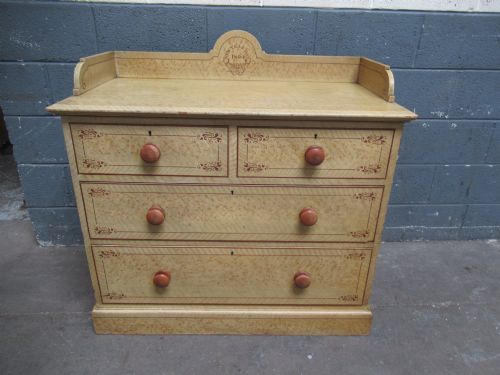
The integrity of the original paint surface dictates much of the standing of an individual piece. Retained scumble graining or authentic period colour holds greater interest than later, flat coats of modern emulsion.
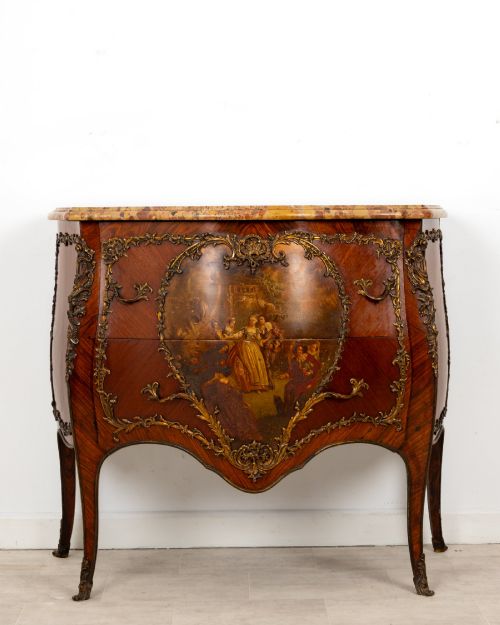
Construction details such as dovetailed drawer linings, serpentine shaping, and matching brass or ceramic hardware separate standard utility pieces from high-style Sheraton or Louis XV revival examples.
Edwards and Roberts·Wright and Mansfield
The Victorian Painted Commode Glossary
- Scumble
- A translucent or semi-opaque glaze applied over a lighter base coat and manipulated with combs or rags to simulate richer timber grain. This technique is common on nineteenth-century pine furniture.
- Serpentine
- A front profile characterised by a convex centre flanked by concave curves, demanding skilled cabinetmaking. It appears frequently on revival side cabinets and commodes.
- Demi lune
- A half-moon shape used for commodes and side tables designed to sit flush against a wall. Pieces of this outline often feature satinwood and painted decoration.
- Satinwood
- A fine hardwood with a lustrous, golden-yellow sheen frequently employed for high-end revival commodes. It provides a smooth canvas for delicate hand-painted ornamentation.
Victorian Painted Commode: Frequently Asked Questions
What is a victorian painted commode?
A victorian painted commode is a nineteenth-century storage item, typically a chest of drawers or cabinet, finished with decorative paint rather than polished wood.
These items range from robust country pine pieces in original scumble to refined satinwood revival furniture designed for formal drawing rooms.
How do I care for original paint?
Original painted surfaces require gentle dusting with a dry cloth and protection from direct sunlight and excessive moisture. Avoid chemical cleaning agents that can lift or dissolve nineteenth-century pigment.
Maintaining stable indoor humidity prevents the underlying pine or hardwood from shrinking and cracking the historic finish.
Are these pieces English or continental?
The selection includes both domestic English workshops and continental pieces, particularly from Hungary and France. English examples often showcase regional pine and scumble work, while French items feature marble tops and gilt mounts.
Regional construction traits and timber choices help identify the likely country of origin for each cabinet.
What does original paint mean?
Original paint refers to the primary decorative surface applied during the nineteenth century, unaltered by subsequent stripping or modern redecoration. Signs of age, such as fine craquelure and minor scuffs, confirm this untouched state.
Collectors value these authentic surfaces for the historic character and patina they bring to the furniture.