





Victorian Office Cupboard
Victorian office cupboard designs combine sturdy nineteenth-century utility with rich timber surfaces, offering practical workspace storage for the modern home.
Victorian Office Cupboard
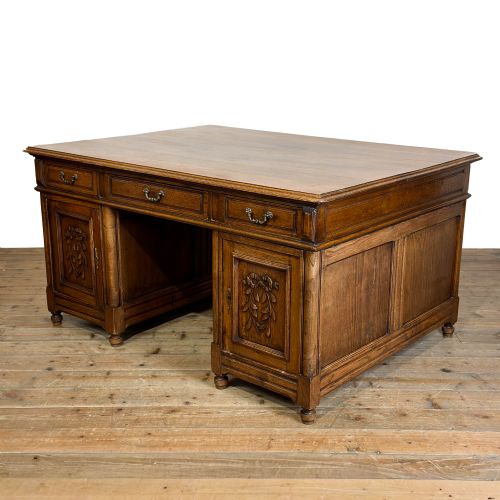
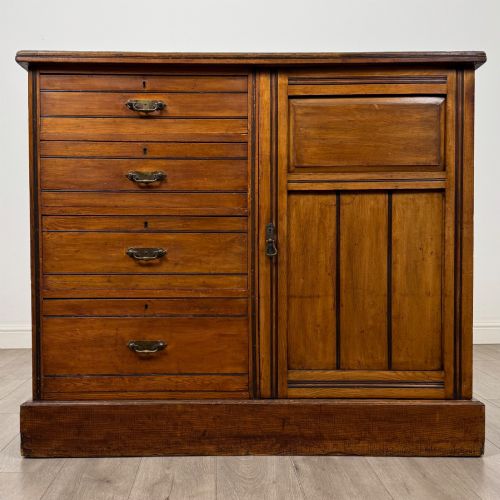
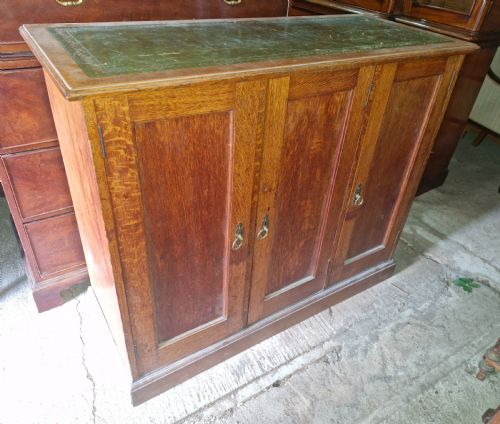
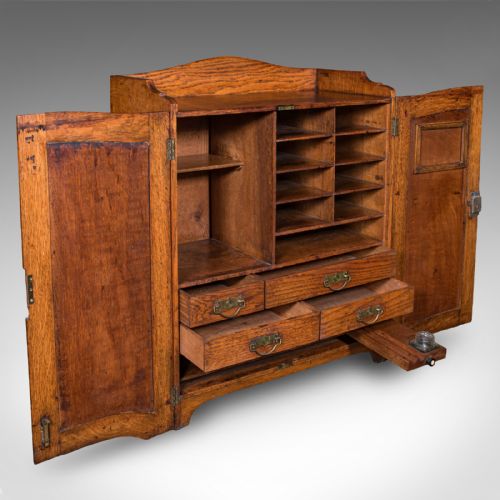
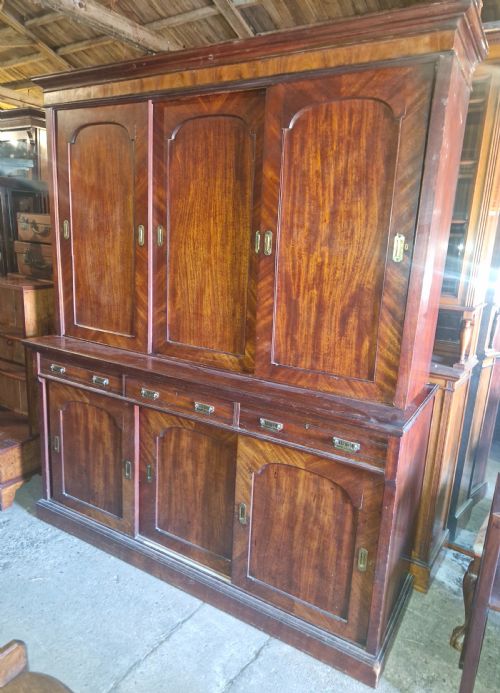
A Victorian office cupboard encompasses utilitarian storage pieces designed for nineteenth-century workplaces, including clerk cabinets, gamekeeper units, and heavy bankers' pedestals. These items emerge primarily from the Victorian and Edwardian periods, often taking the form of robust single-door cupboards, twin pedestal desks, or multi-drawer filing units.
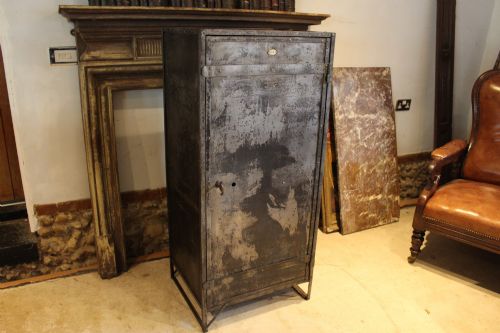
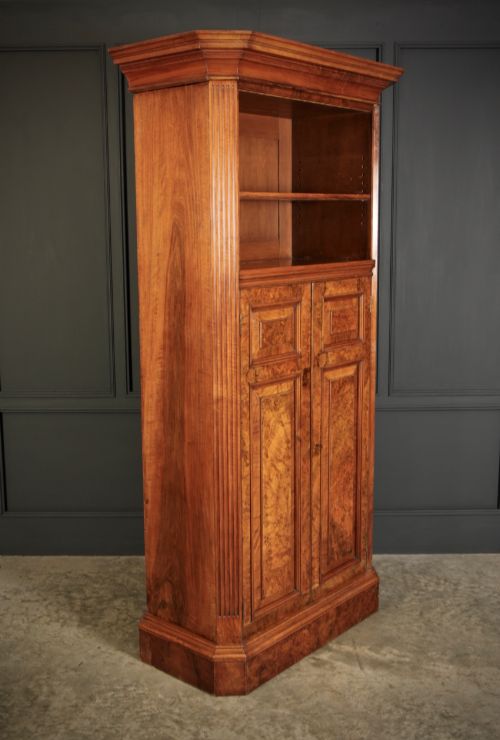
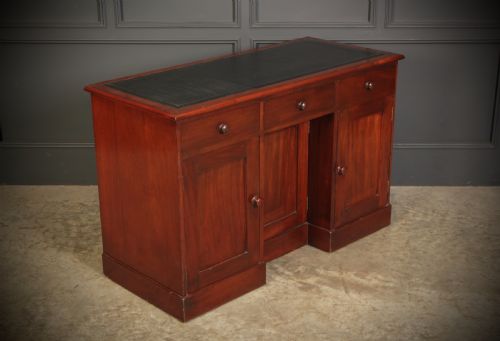
Buyers meet varied iterations ranging from country house estate cabinets in oak to refined mahogany kneehole desks and industrial sheet steel adaptations. The selection balances clerical efficiency with domestic scale, providing enclosed shelving and document storage within traditional timber frames.
Materials and Construction
Cabinet makers utilised dense hardwoods like mahogany, oak, and ash to construct durable office furniture capable of withstanding daily clerical use. Selected pieces incorporate flame mahogany veneers, burr walnut, and pine panels, complemented by functional brass handles, iron hardware, and leather writing surfaces.
Joinery techniques focus on structural strength, employing heavy drawer construction and secure panel assembly to house documents, ledgers, and safe compartments. Industrial examples integrate sheet steel and metal framing alongside traditional woodwork to meet heavier commercial demands.
Victorian Office Cupboard Retail Price Guide 2026
Typical asking prices for victorian office cupboard among the pieces listed under this phrase on Sellingantiques today, from the lower quarter to the upper quarter. They describe what is for sale here now, not the wider market.
Storage forms range from estate gamekeeper cabinets and folio units to bankers' drawers and haberdashery cupboards.
Assessing Craftsmanship
Quality rests upon the selection of timber figures, such as figured mahogany or quarter-sawn oak, and the integrity of the original hardware. Superior examples display refined dovetailing, intact brass fittings, and well-balanced proportions that separate bespoke cabinetmaker output from standard utility pieces.
The degree of original finish and mechanical complexity, such as patent letter filing mechanisms or integrated locking systems, also distinguishes finer items. Preservation of original patination without over-restoration maintains the historical integrity of the piece.
G. Bartholomew & Co·Johnstone & Jeanes·Gillows·Amberg
The Victorian Office Cupboard Glossary
- Kneehole desk
- A writing table featuring a central recess for the sitter's legs, flanked by pedestals of small drawers or cupboards. This layout became standard for Victorian offices requiring compact document storage.
- Pedestal desk
- A heavy freestanding desk supported by two vertical columns of drawers or cupboards. These units provide substantial storage capacity beneath the main writing surface.
- Secretaire
- A cabinet or desk incorporating a pull-down writing flap that conceals small drawers and pigeonholes. It offers a concealed workspace within a formal storage facade.
- Book press
- A heavy mechanical device used in nineteenth-century offices to copy documents or flatten damp pages. They are frequently mounted upon sturdy wooden cupboard bases.
Victorian Office Cupboard: Frequently Asked Questions
What distinguishes a partners desk from a standard office desk?
A partners desk provides dual workspaces with drawers and cupboards accessible from both sides, designed for two people to work face-to-face.
These large tables were traditionally used in banks, law firms, and estate offices where multiple clerks required shared access to storage.
How do I maintain mahogany office furniture?
Maintain mahogany surfaces by dusting with a soft, dry cloth and applying traditional beeswax periodically to nourish the timber.
Keep these pieces away from direct sunlight and heat sources to prevent the wood veneers from drying and cracking.
Were these cupboards built for homes or businesses?
Victorian office furniture served commercial institutions, country estate offices, and private home studies alike.
Sturdier pieces handled institutional paperwork, while refined mahogany and burr walnut versions suited domestic libraries.
How do I identify a patent filing cabinet?
Patent cabinets often incorporate specific mechanical indexing systems, such as Amberg's letter file designs, intended for rapid document retrieval.
These units feature specialised internal hardware and metal labelling brackets unique to late nineteenth-century office innovation.