



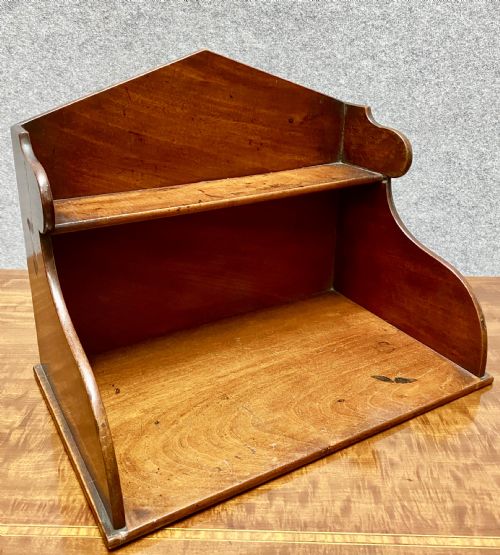
Victorian Office Accessory
A victorian office accessory brings disciplined purpose to a desk, offering timber calendars, brass tidies and silver clips that make daily correspondence a pleasure.
Victorian Office Accessory
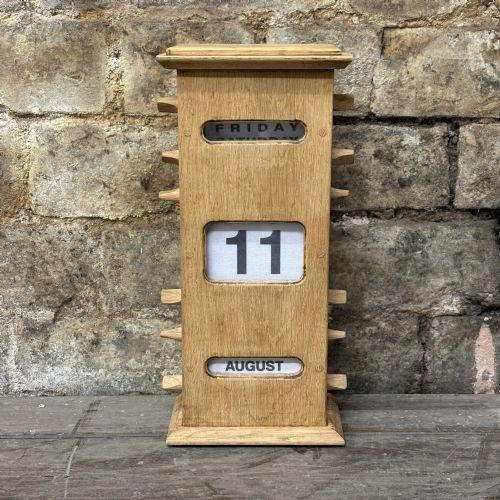
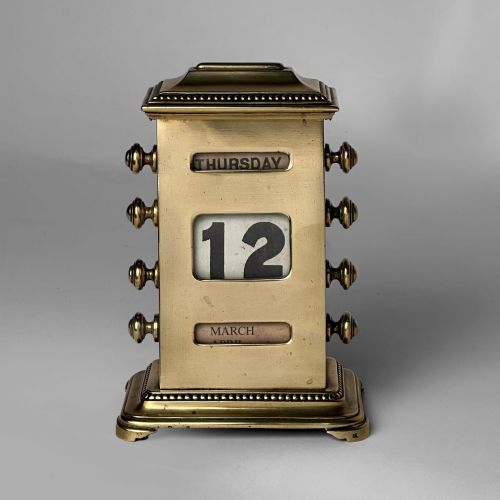
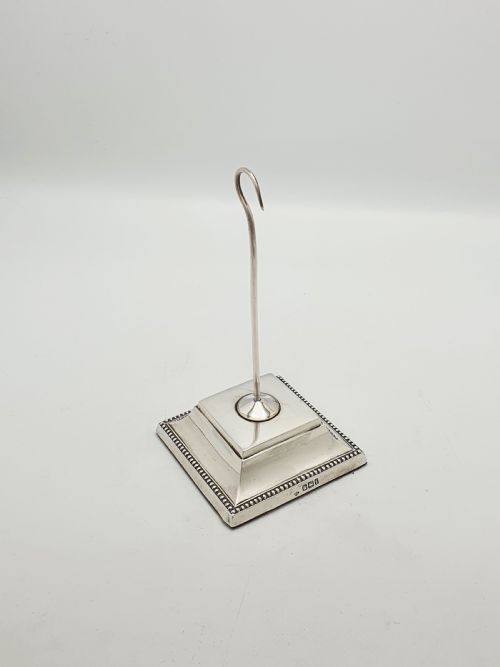
When you search for a victorian office accessory, you are looking at items designed to organise daily correspondence and administration on a writing table. These pieces range from letter boxes and perpetual calendars to receipt hook stands and blotters. The versions you are most likely to meet on this page date from the nineteenth century into the early decades of the twentieth century, reflecting the material culture of traditional administration.
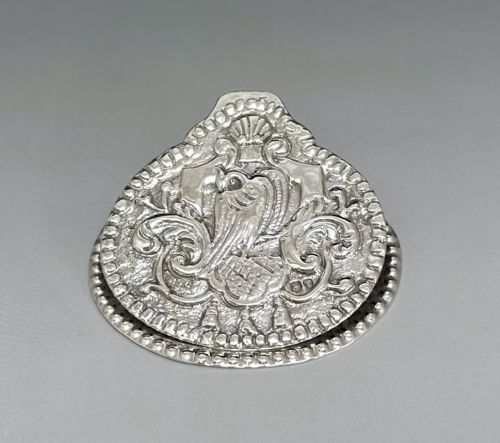
The selection here encompasses functional desk furniture and small desktop equipment made in durable materials. Desk tidies, bookshelves and blotters appear alongside perpetual calendars and silver-mounted clips. Each item served a specific administrative task in a study, library or commercial office before migrating into domestic interiors as decorative antiques.
How they were made
Makers utilised dense timbers such as mahogany and dark oak to construct the structural bodies of letter boxes, calendars and desk tidies. These woods were chosen for their durability and grain, often finished to a smooth polish that highlighted the natural figure of the timber. Joinery was executed with precision to withstand daily handling in a busy workspace.
Metal components, including cast brass calendars and sterling silver plinth bases, were integrated with the wooden elements to add weight and decorative contrast. Glass panels and fabric inserts also appear within desk sets, combined through traditional assembly methods that secured each material firmly in place.
Victorian Office Accessory Retail Price Guide 2026
Typical asking prices for victorian office accessory among the pieces listed under this phrase on Sellingantiques today, from the lower quarter to the upper quarter. They describe what is for sale here now, not the wider market.
The listings here feature oak, mahogany, glass and sterling silver across forms including calendar desks, blotters and receipt stands.
What varies in quality
Quality in these items rests upon the selection of materials and the integrity of the mechanics in functional pieces like perpetual calendars. Better examples display heavier gauges of cast brass and sterling silver alongside finely figured mahogany or oak. The clarity of the lettering on calendar drums and the solidity of the hinges on letter boxes distinguish finer workshop output.
The degree of decorative integration also separates standard items from superior pieces. Desk sets that combine multiple materials, such as glass and quality timber, show a higher level of design thought. The presence of identifiable maker marks further elevates the standing of a desk accessory.
William Tonks of Birmingham
The Victorian Office Accessory Glossary
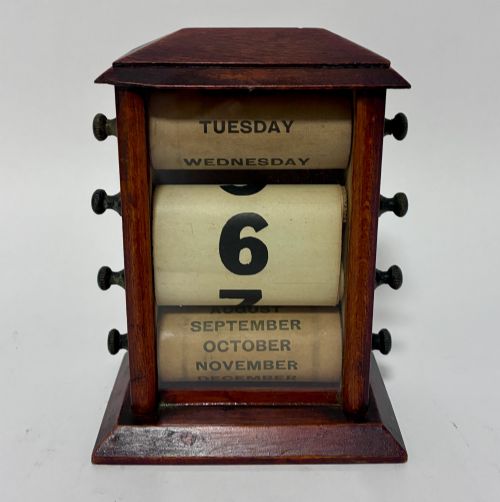
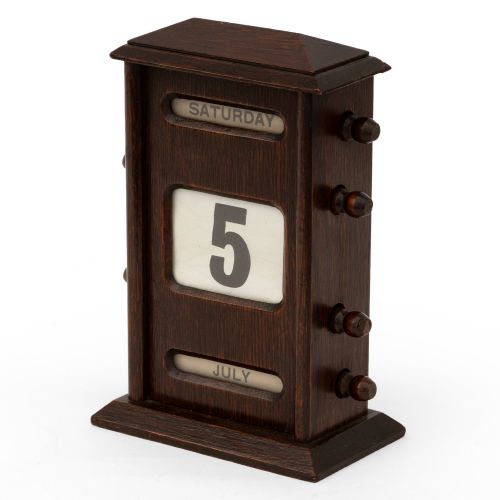
- Perpetual calendar
- A desk device with adjustable rollers or cards designed to show the correct day and date for any year. These usually operate through small brass knobs or turning wheels.
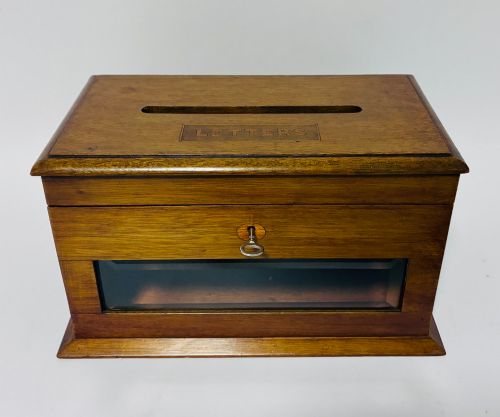
- Letter box
- A desktop container featuring a hinged slot for receiving incoming post securely. They often include lockable doors to maintain the privacy of correspondence.
- Desk tidy
- An integrated stand or small bookshelf intended to hold stationery, envelopes and small writing tools upright. They keep the writing surface clear of clutter.
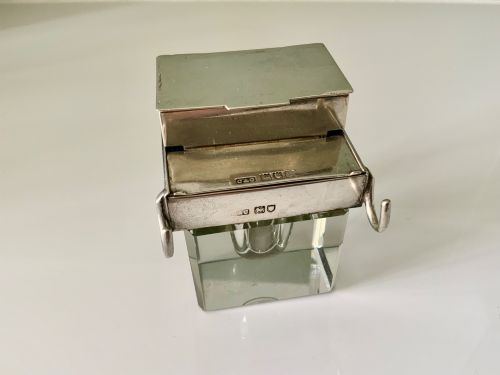
- Receipt hook stand
- A heavy base supporting a vertical metal spike used for impaling bills, notes and receipts. The base is frequently weighted with materials such as sterling silver.
Victorian Office Accessory: Frequently Asked Questions
What is a perpetual calendar?
A perpetual calendar is a mechanical device designed to display the date and day continuously without needing replacement each year. Users adjust the internal drums or cards manually.
These items sat prominently on writing tables as both practical tools and decorative objects during the nineteenth and early twentieth centuries.
How were letter boxes used?
Letter boxes served to collect incoming mail securely before it was sorted or read. The hinged top slot allowed postmen or household staff to deposit letters safely.
Many included small doors with locks to keep sensitive correspondence private until the owner attended to their desk.
How do I date a desk accessory?
Dating relies upon stylistic cues, material choices and mechanical construction methods. Pieces from the nineteenth century often feature heavier cast brass and solid mahogany.
Assay marks on silver components provide precise dates, while simpler wooden calendars often reflect Edwardian or later manufacturing trends.
Are these items still functional?
Many of these pieces remain fully operational for daily desktop use. Perpetual calendars still turn to show the correct date, and letter boxes hold post securely.
Collectors often enjoy using them alongside modern stationery to bring traditional organisation into a contemporary workspace.