




Victorian Occasional Stool
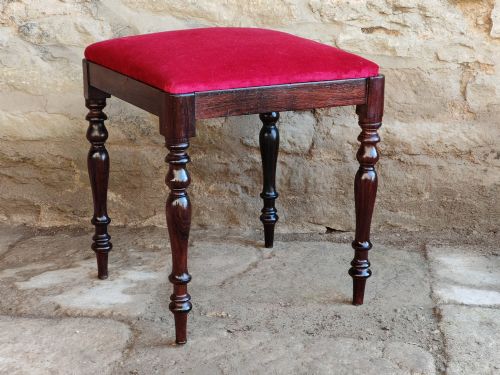
These Victorian occasional stool pieces combine compact utility with diverse stylistic flair, offering versatile small-scale seating and display surfaces.
Victorian Occasional Stool
A victorian occasional stool search brings up an eclectic mix of small utility pieces, including low footstools, joint stools, and multi-purpose tables that double as seating. The selections span the nineteenth century and extend into later revival periods, reflecting both domestic English traditions and imported colonial designs.
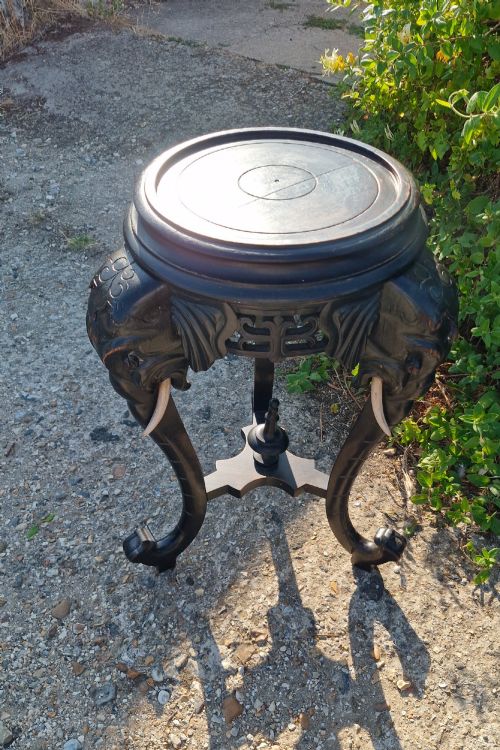
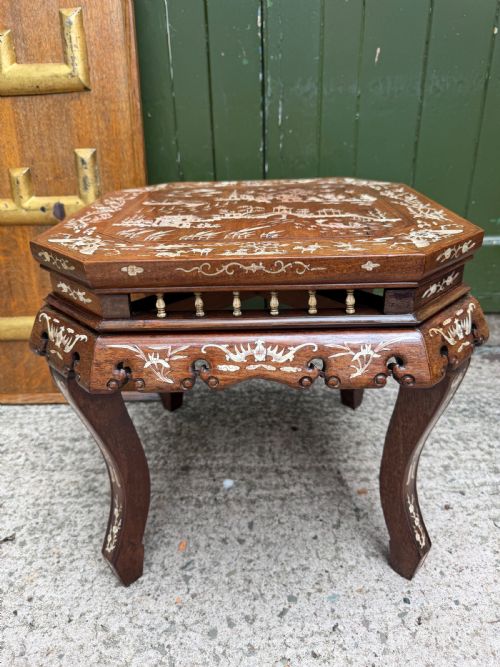
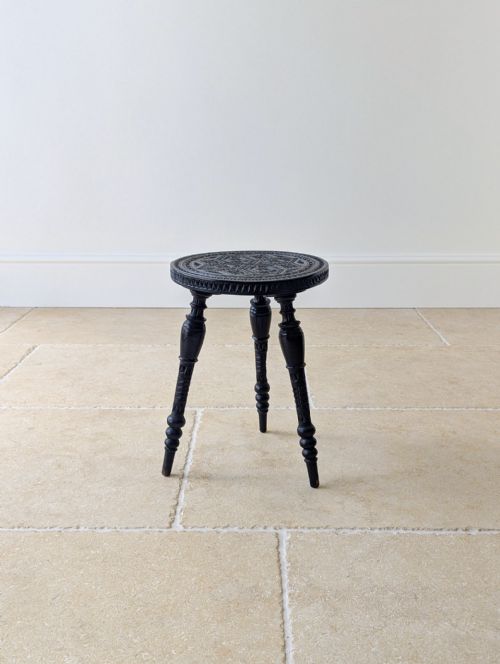
Forms range from carved oak joint stools and heraldic footstools to exotic elephant-form tables and low circular stands. Buyers frequently encounter ebonised hardwoods, inlaid bone decoration, and bamboo structures that served varied functions around the nineteenth-century home.
Materials and construction methods
Carpenters utilised durable timbers such as oak, walnut, and ebonised hardwood, often shaping them with chip-carving or turning techniques. Structural integrity relied on traditional jointing methods seen in joint stools and cricket tables.
Surface enrichment involved intricate bone inlay, pearl inlay, and hand-painted details. Makers incorporated diverse regional resources, pairing native British oak with imported exotic woods and applied motifs.
Victorian Occasional Stool Retail Price Guide 2026
Typical asking prices for victorian occasional stool among the pieces listed under this phrase on Sellingantiques today, from the lower quarter to the upper quarter. They describe what is for sale here now, not the wider market.
Listings incorporate items from the nineteenth century featuring oak, walnut, ebonised hardwood, and bone materials.
Factors distinguishing quality
Depth and precision of carving differentiate standard production from superior examples, particularly visible in heraldic motifs and figurative elements like claw-and-ball feet. Crisp execution of chip-carving on ebonised surfaces demonstrates higher craftsmanship.
The complexity of surface decoration, such as profuse bone or pearl inlay work, separates basic functional items from finely detailed decorative furnishings. Material selection, including pollard oak or dense hardwoods, further establishes the standing of individual pieces.
The Victorian Occasional Stool Glossary
- Joint stool
- A traditional wooden stool constructed with pegged mortise and tenon joints rather than turned legs inserted into a seat. These sturdy items date back centuries and saw revivals in the nineteenth century.
- Ebonised hardwood
- Timber treated with a dark stain or finish to imitate expensive ebony. This treatment was particularly popular during the Victorian era for fashionable decorative furnishings.
- Claw-and-ball
- A furniture foot motif depicting a bird's talon clutching a ball, commonly found on decorative tables and seating from various historical periods.
- Cricket table
- A small, lightweight three-legged table with a round top, traditionally used near hearths. Examples appear in pollard oak.
- Anglo-Indian
- Furniture made in the Indian subcontinent during the British colonial period, frequently featuring dense hand-carved ornamentation such as elephant forms and foliate patterns.
Victorian Occasional Stool: Frequently Asked Questions
What is an occasional stool?
An occasional stool is a versatile small seat or low stand designed to be moved around a room as needed. These pieces functioned as seating, footrests, or small display surfaces in nineteenth-century interiors.
Today, they suit modern living spaces as flexible accents that fit into compact corners or serve beside armchairs.
How do I identify a Victorian piece?
Victorian pieces often display characteristic revival styles such as Gothic, Jacobean, or Aesthetic movement influences. Look for dense timbers, ebonised finishes, and specific construction methods typical of the nineteenth century.
Comparing the listed materials like oak and bone inlay against known period design traits helps confirm the era of manufacture.
Where were these stools placed?
These items were positioned in parlours, hallways, and bedchambers to provide impromptu seating or places to hold small lamps and books. Their portable nature allowed servants or residents to shift them around the house.
In contemporary homes, they function well as bedside stands, plant pedestals, or low seats.