



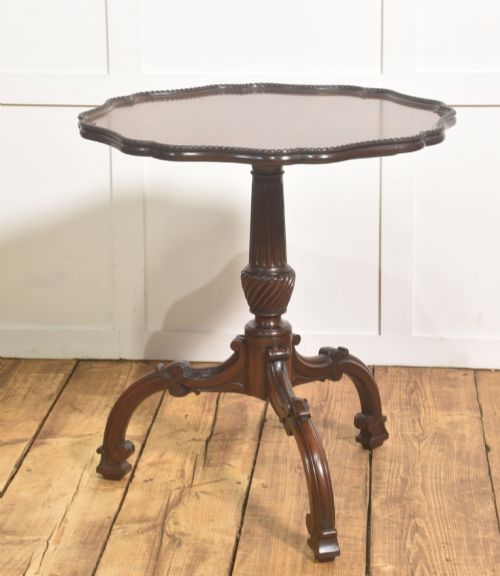
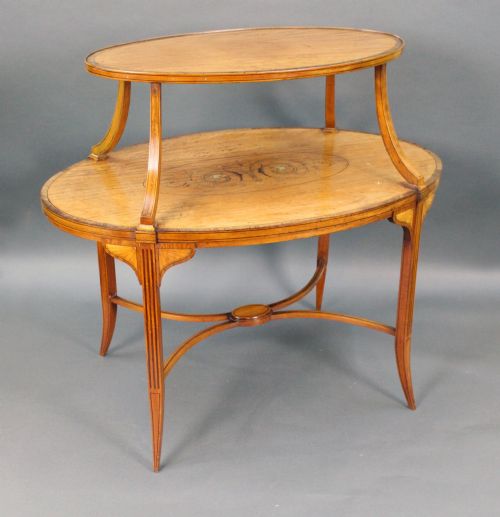
Victorian Occasional Stand
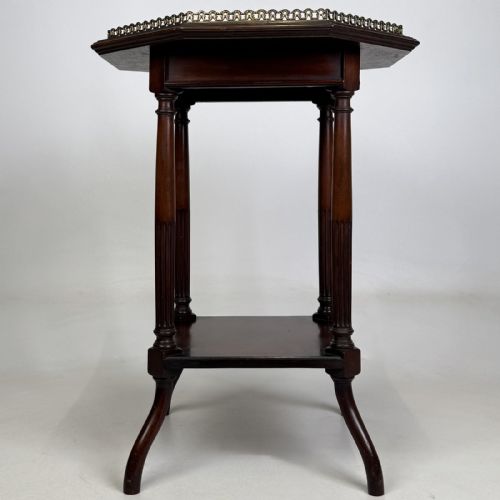
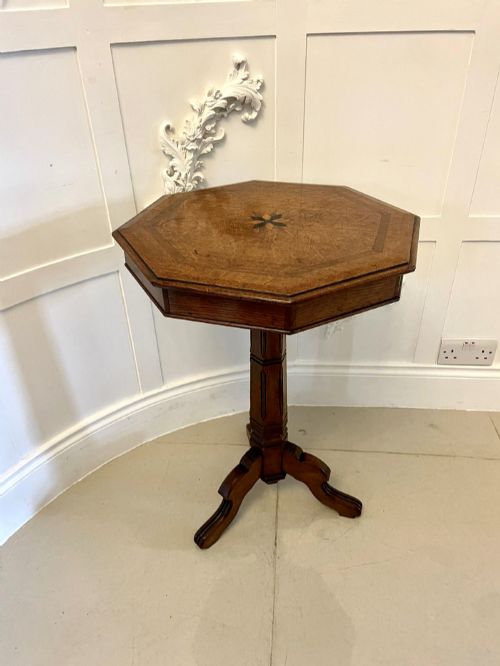
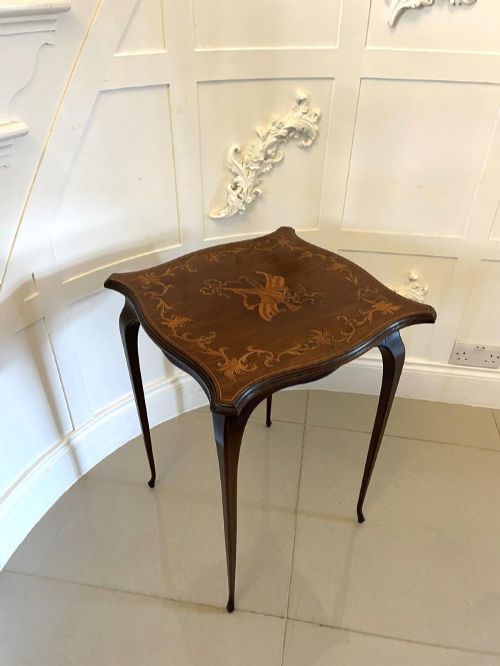
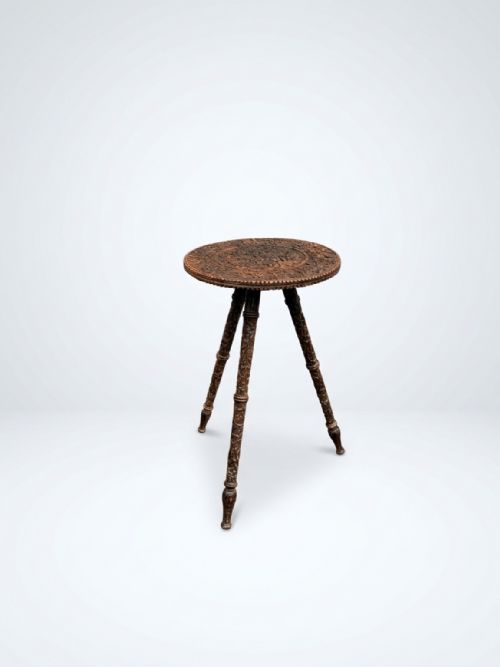
A Victorian occasional stand brings compact nineteenth-century utility to a room, offering a surface for lamps, books or wine.
Victorian Occasional Stand
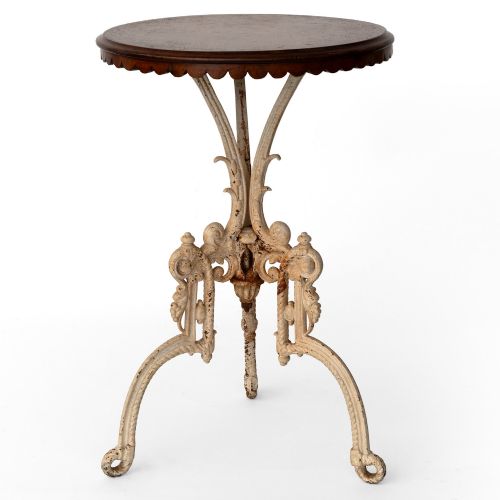
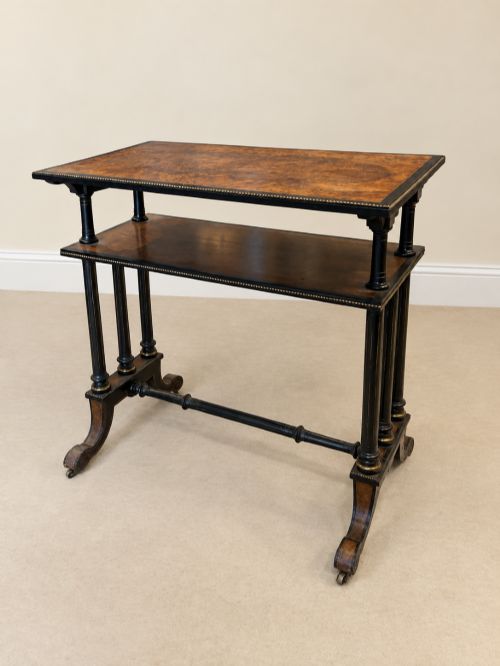
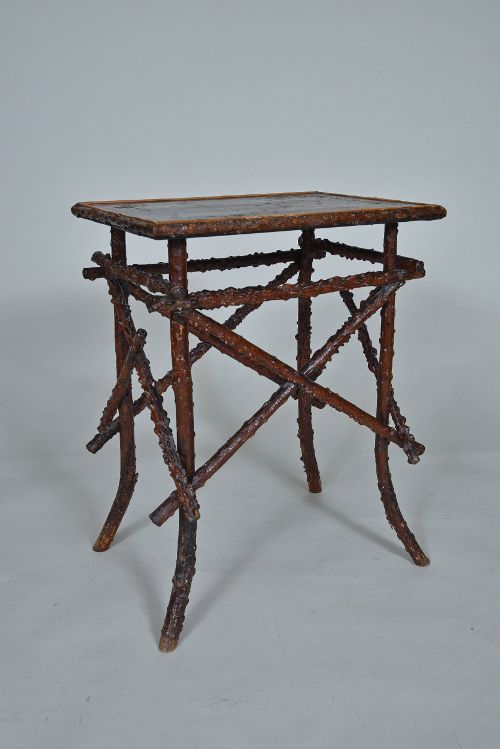
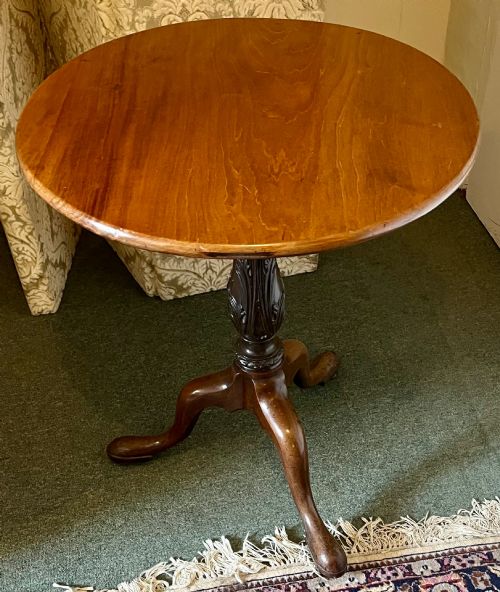
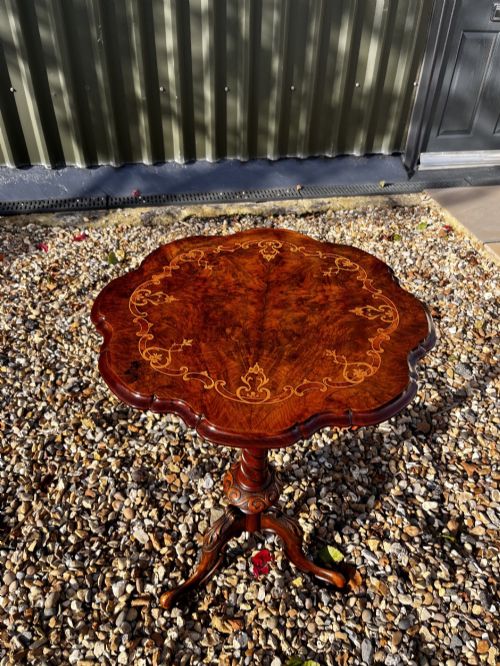
A Victorian occasional stand encompasses a variety of smaller nineteenth-century tables, including lamp tables, wine tables, side tables, étagères and reading stands. These pieces emerge from periods such as the mid-Victorian era, the late nineteenth century and the early twentieth century.
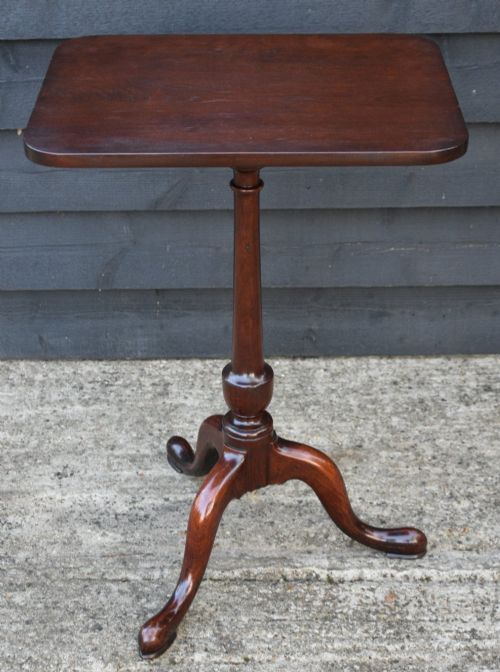
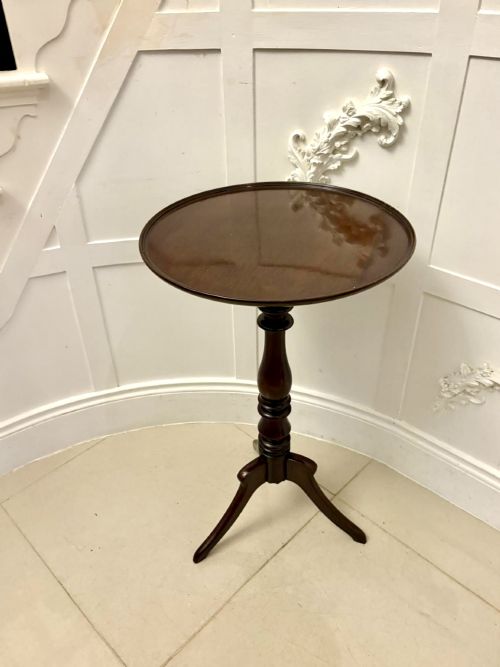
Mahogany and walnut appear frequently as the primary timbers, alongside rosewood, oak, satinwood and burr walnut. The forms range from simple tripod bases and snap-top designs to two-tier tables and elaborately inlaid marquetry surfaces.
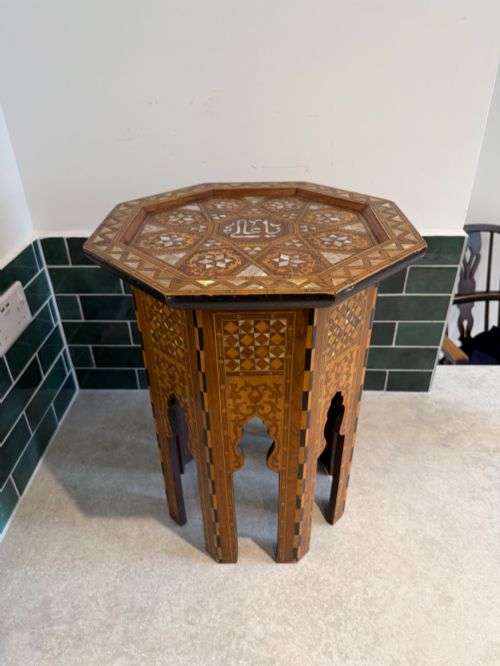
Geographic influences extend beyond standard British cabinet-making to include Anglo-Indian, Burmese, Dutch and French examples. Makers utilised diverse construction methods, producing items suited for specific domestic tasks in the drawing room or parlour.
Materials and Technique
Cabinet-makers constructed these stands using solid hardwoods and decorative veneers, applying burr walnut, satinwood and mahogany over stable secondary timbers. Turning techniques produced barley twist supports, bobbin-turned legs and slender tripod pillars.
Surface ornamentation involved intricate marquetry inlay, parcel gilding, brass galleries and hand-carved details in oak and rosewood. Tilt-top and snap-top mechanisms relied on precise wooden and brass catches to secure the tabletop when horizontal.
Victorian Occasional Stand Retail Price Guide 2026
Typical asking prices for victorian occasional stand among the pieces listed under this phrase on Sellingantiques today, from the lower quarter to the upper quarter. They describe what is for sale here now, not the wider market.
Listings feature woods spanning mahogany, walnut, rosewood, oak, satinwood, hardwood and burr walnut.
The Spectrum of Quality
Quality rests in the selection of timber veneers and the crispness of the carving or inlay work. Superior examples display carefully matched burr walnut or detailed marquetry, whereas simpler pieces rely on plain mahogany or oak surfaces without embellishment.
Construction integrity distinguishes better workshops, evident in stable tripod joints, functional tilt mechanisms and original brass fittings such as galleries. Finer stands integrate specialised materials like marble tops, lacquered chinoiserie or delicate ebonised finishes.
James Shoolbred
The Victorian Occasional Stand Glossary
- Tripod table
- A small freestanding table supported by three legs radiating from a central pillar. These pieces often feature a tilt mechanism to save space when not in use.
- Marquetry
- Decorative veneer work forming pictorial or geometric patterns using various coloured woods. Artisans inlaid these designs into the main surface of the tabletop.
- Snap top
- A tabletop mounted on a hinge and catch assembly allowing the surface to fold vertical against the pillar. This mechanism enabled compact storage beside a wall.
- Étagère
- A small tiered open shelving unit or side table designed for display. These multi-level pieces appeared frequently in satinwood during the late nineteenth century.
- Canterbury
- A low multi-partitioned stand used originally for holding sheet music or books. Some Victorian variants combined this function with an occasional table top.
Victorian Occasional Stand: Frequently Asked Questions
What is a Victorian occasional stand used for?
These versatile stands served various domestic functions in the Victorian interior, holding small lamps, books, tea services or wine glasses beside seating.
Their compact size allowed servants or residents to move them easily around the room according to immediate requirements.
What woods were used for these stands?
Cabinet-makers utilised a wide selection of native and exotic timbers, most notably mahogany, walnut, rosewood, oak and satinwood.
Finer examples incorporated decorative veneers such as burr walnut or employed ebonised finishes influenced by the Arts and Crafts movement.
How do I date a Victorian occasional table?
Dating relies on observing stylistic markers, timber choices, and construction methods associated with specific decades of the nineteenth century.
Mid-century pieces often favor solid mahogany or burr walnut, while late-century examples frequently display satinwood marquetry, bamboo construction or aesthetic movement ebonising.