




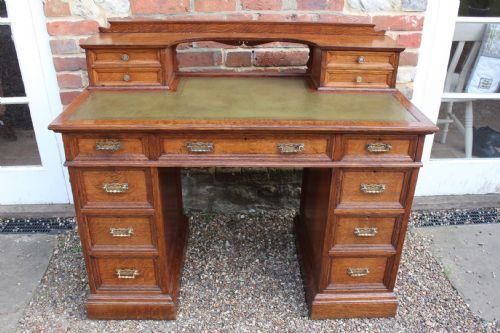
Victorian Oak Office Furniture
Victorian oak office furniture delivers honest utility and sturdy craftsmanship for a working interior.
Victorian Oak Office Furniture
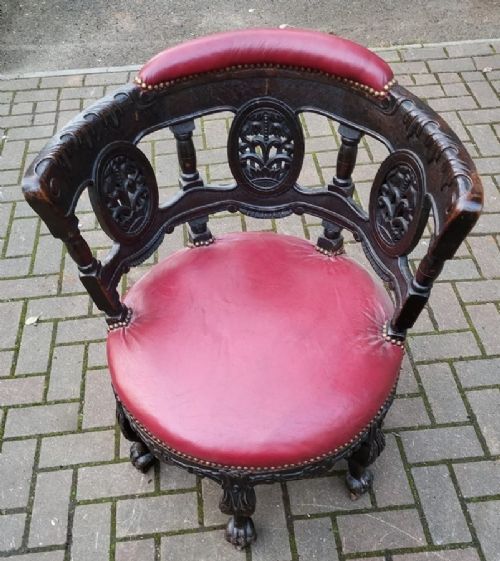
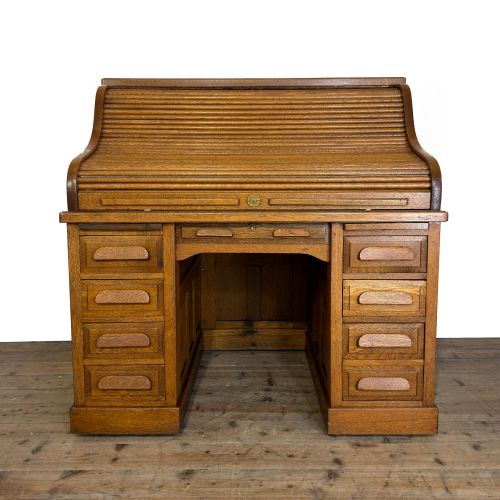
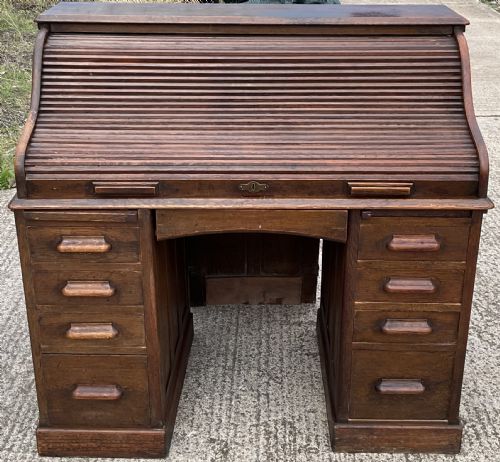
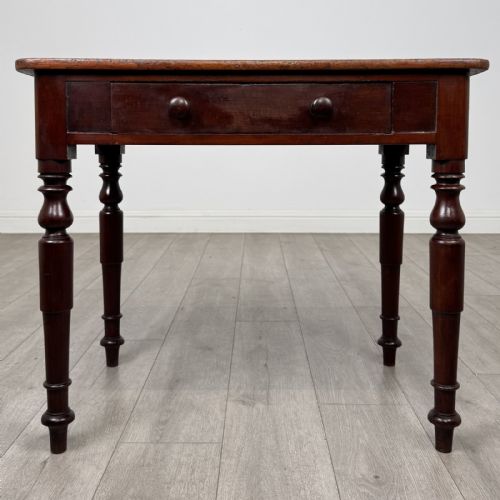
Victorian oak office furniture comprises heavy working desks, filing cabinets and presses built for nineteenth-century administration. These pieces were constructed to endure decades of daily correspondence and ledger work in studies and chambers.
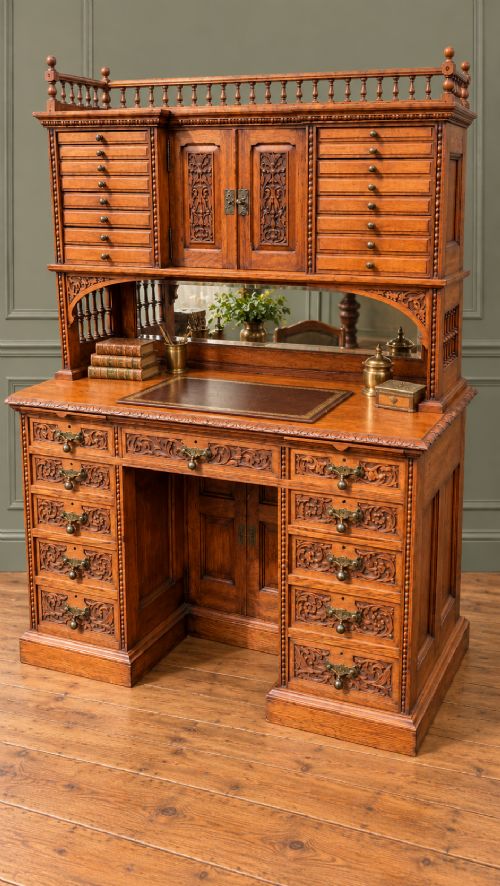
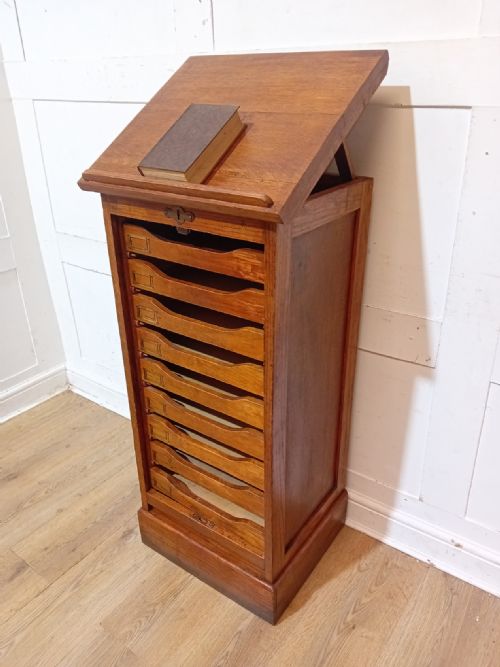
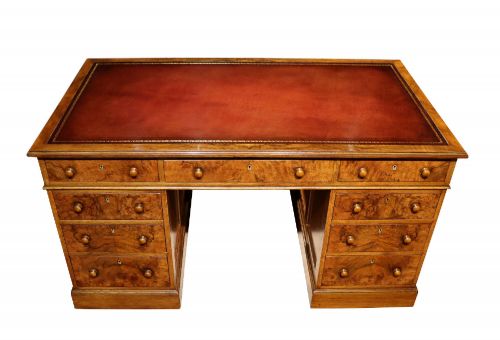
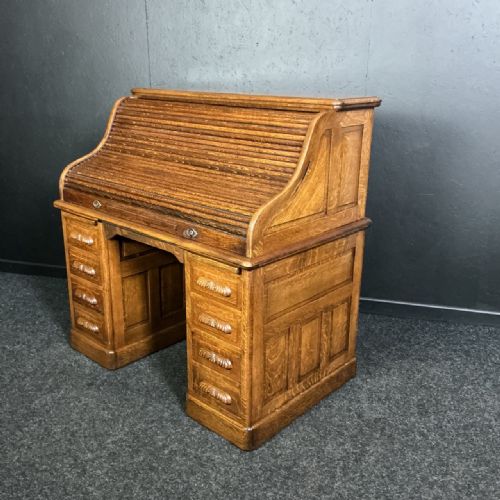
Pedestal desks and kneehole desks dominate this selection, frequently fitted with multiple drawers and inset leather writing surfaces. Partners desks and specialised forms such as Dickens desks and lecturn top filing cabinets appear alongside standard writing tables.
The materials span solid oak, pollard oak and burr walnut, often complemented by brass hardware and ash secondary timbers. Pieces hail from the Victorian and Edwardian eras, reflecting the robust joinery traditions of the period.
How Victorian oak office furniture was made
Cabinet makers utilised dense oak timbers, frequently quarter-sawn to reveal the characteristic medullary rays. Secondary woods like ash provided internal framing for heavy drawer structures.
Surfaces received durable polished finishes, while writing areas were inset with tooled leather hides. Brass handles, castors and locks secured the drawers and facilitated movement of these heavy items.
Victorian Oak Office Furniture Retail Price Guide 2026
Typical asking prices for victorian oak office furniture among the pieces listed under this phrase on Sellingantiques today, from the lower quarter to the upper quarter. They describe what is for sale here now, not the wider market.
Estate managers needed sturdy furniture for country houses, resulting in heavily built oak desks designed to survive remote administration.
What varies in quality in Victorian oak office furniture
Quality rests upon the selection of timber figure, such as pollard oak or burr walnut veneers, and the precision of the dovetail joinery in the drawers. Maker attribution, through stamps or labels, elevates a piece significantly.
The presence of original hardware, intact leather inserts and sound structural integrity dictates the standing of an item within its type.
Howard & Son·James Lamb Manchester·Simpsons of Kendall
The Victorian Oak Office Furniture Glossary
- Pedestal desk
- A heavy writing desk consisting of two banks of drawers supporting a single top. The user sits in the central kneehole space between the pedestals.
- Partners desk
- A large double-sided pedestal desk designed for two people to work opposite one another. Drawers and cupboards are duplicated on both sides.
- Dickens desk
- A pedestal desk featuring a raised superstructure of small drawers and pigeonholes above the writing surface. These were favoured by clerks and managers for sorting correspondence.
- Kneehole desk
- A compact desk with a central recess for the legs, flanked by single or double columns of drawers. They offer substantial storage within a smaller footprint.
- Quarter-sawn oak
- Timber cut radially through the growth rings rather than tangentially. This method produces durable boards with a decorative grain pattern.
Victorian Oak Office Furniture: Frequently Asked Questions
How do I care for the leather top on my desk?
Clean the leather surface gently with a damp cloth and neutral soap, avoiding excessive water. Nourish the hide periodically with an appropriate leather balm to prevent cracking.
Keep the desk away from direct heat sources and strong sunlight to preserve the colour and suppleness of the leather.
What is the difference between a partners desk and a pedestal desk?
A partners desk is built to be used from both sides, featuring drawers and cupboards facing in opposite directions. This allows two people to sit and work opposite each other.
A standard pedestal desk has drawers on one side only and sits flush against a wall or within a room with the back panel exposed.
How can I tell if an oak desk is genuinely Victorian?
Examine the drawer construction for hand-cut dovetails and inspect the secondary timbers, such as oak or ash, used inside the drawers. Machine-cut joints and modern plywood indicate a later date.
Look for signs of age in the timber shrinkage, wear patterns around the handles, and traditional finishing methods like shellac polish.