

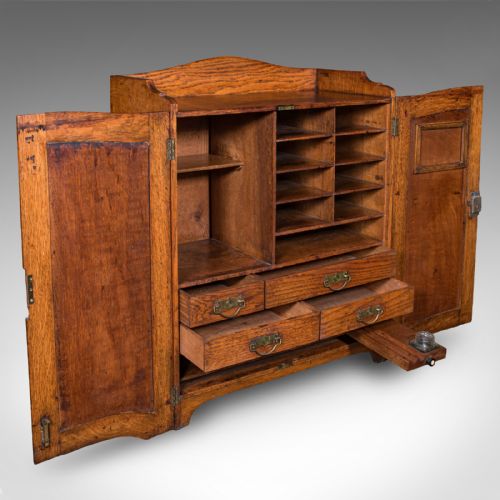
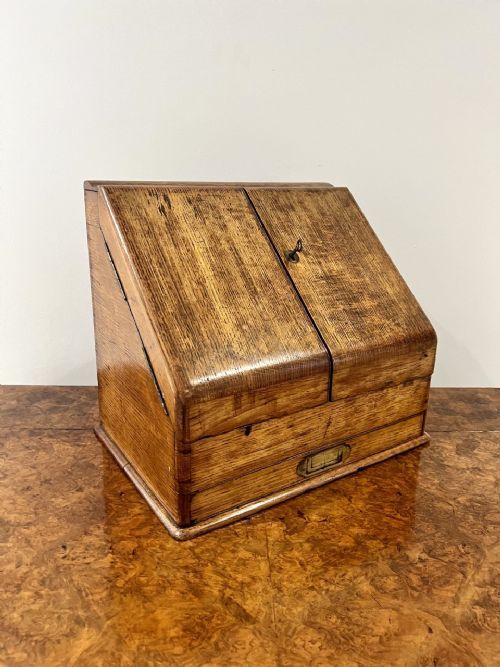
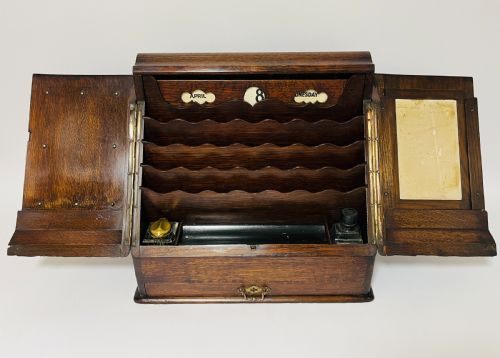


Victorian Oak Letter Cabinet
A victorian oak letter cabinet is a sturdy desktop organiser designed to keep correspondence tidy, offering timeless utility and rich timber character for the modern desk.
Victorian Oak Letter Cabinet
When you search for a victorian oak letter cabinet, you encounter sturdy desktop furniture built to hold correspondence, papers, and ink. The pieces available range from simple stationery boxes to more complex filing cabinets and wall-mounted postboxes.
You are most likely to meet desktop stationery boxes and drop-front cabinets dating from the Victorian and Edwardian eras. These items reflect the heavy correspondence culture of the nineteenth and early twentieth centuries, constructed in durable timber to withstand daily office use.
How they were made
Cabinetmakers utilised solid oak for the primary carcases, frequently pairing the timber with brass handles, hinges, and mounts. Some iterations integrate glass panels, leather accents, or paper linings inside the writing slopes and letter slots.
Construction techniques span traditional joinery and patented filing mechanisms such as those seen in Amberg cabinets. Makers incorporated drop-front panels, internal pigeonholes, and adjustable date functions to maximise desktop organisation.
Victorian Oak Letter Cabinet Retail Price Guide 2026
Typical asking prices for victorian oak letter cabinet among the pieces listed under this phrase on Sellingantiques today, from the lower quarter to the upper quarter. They describe what is for sale here now, not the wider market.
What varies in quality
The standard of a piece is determined by the selection of the oak grain and the robustness of the brass hardware. Finer examples display meticulous dovetail joinery and intact, functioning internal mechanisms like patent filing systems.
Plain utilitarian boxes sit at one end of the scale, whilst pieces bearing intricate Arts and Crafts details or superior quality finishes occupy the other. The presence of original glass ink bottles, fitted letter racks, and integrated calendars elevates the distinction of the work.
Amberg
The Victorian Oak Letter Cabinet Glossary
- Stationery box
- A tabletop container designed to hold writing paper, envelopes, and small desk accessories. These boxes often feature sloping lids or vertical compartments.
- Drop-front
- A hinged panel that folds downwards to reveal internal letter slots, drawers, and writing surfaces. This mechanism allows easy access to filed papers.
- Pigeonhole
- A small, open compartment within a cabinet used for sorting incoming and outgoing post. They form the internal grid of most letter cabinets.
- Inkstand
- A desktop stand incorporating ink bottles alongside space for pens and a stationery box. They keep writing essentials consolidated in one place.
- Patent filing system
- An internal mechanical arrangement, such as Amberg's design, created to organise and index letters securely. These mechanisms represent industrial innovation of the period.
Victorian Oak Letter Cabinet: Frequently Asked Questions
What is a victorian oak letter cabinet?
A victorian oak letter cabinet is a wooden desktop box or small cupboard designed to hold letters, stationery, and writing implements. They were essential desk accessories in nineteenth-century offices and homes.
These pieces feature internal compartments, pigeonholes, and drop-front panels to keep correspondence organised before the prevalence of modern email.
How were these cabinets used?
Users stored incoming and outgoing mail, envelopes, and writing paper inside the partitioned compartments of the cabinets. Many included slots for specific days or categories of post.
Some incorporate inkstands and letter racks, functioning as complete writing stations for a desktop or bureau.
Where should I place mine?
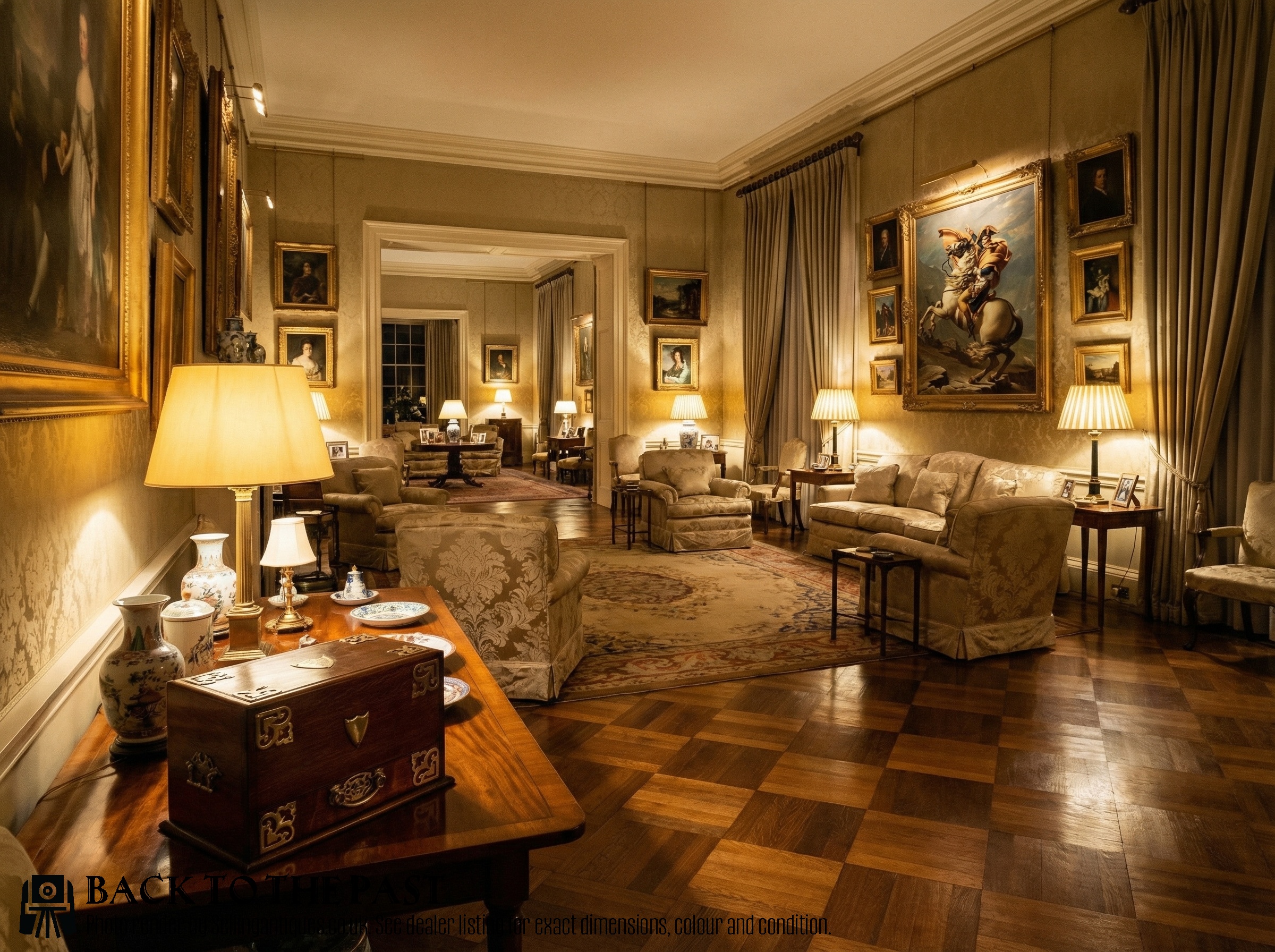
These cabinets suit modern home offices, studies, or living rooms where they sit comfortably upon desks, sideboards, or tables. Their compact footprint makes them practical for holding modern mail and stationery.
Keep them away from direct heat sources and strong sunlight to protect the oak timber and any leather or paper elements.