
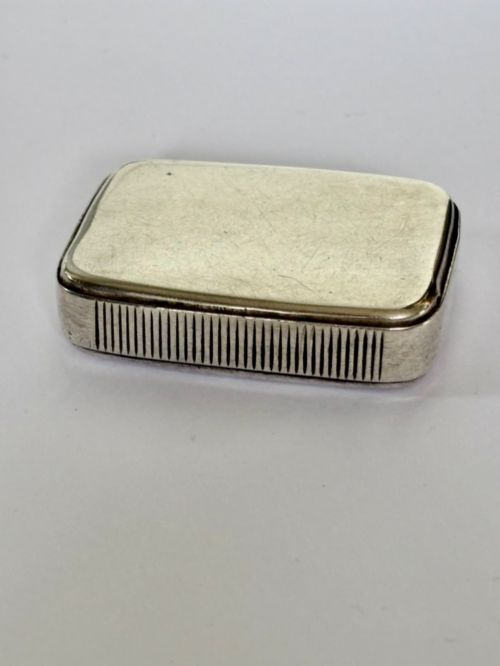


Victorian Novelty Vesta Case
These playful pocket match holders formed as animals, figures and everyday objects are what you seek when exploring a victorian novelty vesta case.
Victorian Novelty Vesta Case
A victorian novelty vesta case takes the form of animals, figures and everyday objects, designed to hold matches in the pocket or on the table. The examples met on this page span the nineteenth century, including carved wood, brass, nickel and sterling silver.
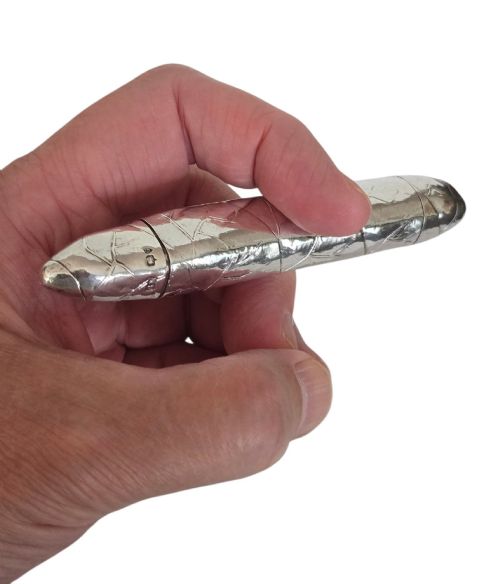
Makers shaped these match safes as dogs, fish, cigars, sentry boxes and sarcophaguses. Alongside standard match holders, trick vesta cases and combination go to bed pieces appear.
How they were made
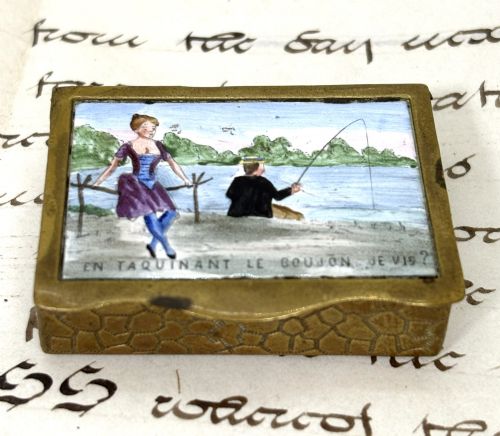
Silversmiths constructed these match safes in sterling silver and silver gilt, often adding enamel colour to highlight details on animal heads and sentry boxes. Brass and nickel plated brass served for utilitarian and figural boxes.
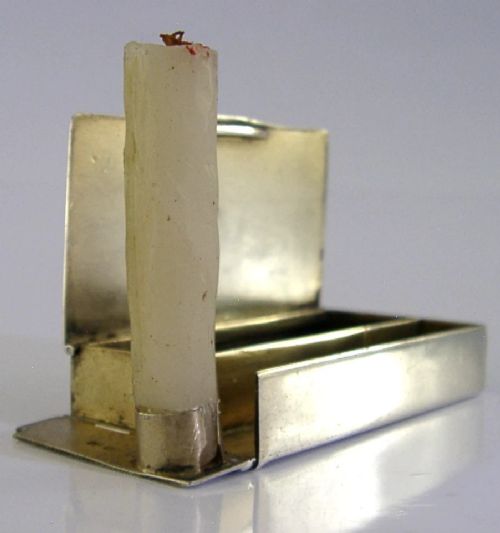
Carved wood provides texture for animal dispensers, while integrated wax tapers and go to bed mechanisms offer functional lighting alongside match storage.
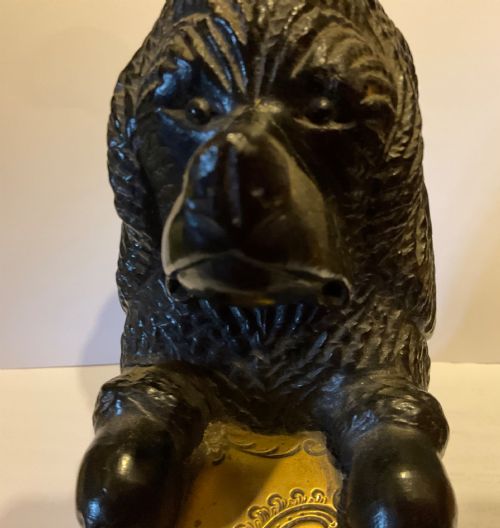
Animal forms in the evidence include dogs, cats, fish, boars, elephants and a begging dog match dispenser.
What varies in quality
The complexity of the mechanism also marks the grade of the piece. Simple hinged lids contrast with trick openers, double-ended compartments and combination match and taper designs.
Sampson Mordan & Co·A & J Zimmerman·Jane Brownett London·Lawrence Emanuel·Stokes & Ireland
The Victorian Novelty Vesta Case Glossary
- Vesta case
- A small pocket container designed to hold matches safely. Named after the Roman goddess of the hearth, these cases kept friction matches dry.
- Match safe
- An American term equivalent to the British vesta case. These metal or wooden boxes served the same pocket storage function.
- Silver gilt
- Silver covered with a thin layer of gold. This treatment gave the interior and exterior a rich yellow tone.
- Wax taper
- A thin wax-coated string used for lighting pipes or candles. Some combination vesta cases held these alongside matches.
- Trick vesta case
- A match container featuring a hidden opening mechanism. Users had to know the secret release to access the matches.
Victorian Novelty Vesta Case: Frequently Asked Questions
How did Victorians use these cases?
Owners carried these small containers in pockets or handbags to store matches safely while away from home. The roughened base on the exterior allowed the user to strike a match instantly.
Table top versions sat in smoking rooms and hallways for everyday domestic use. Some designs incorporated wax tapers for lighting cigars or candles.
What materials are these cases made from?
Sterling silver and silver gilt form the majority of the examples found in this category. Enamel decoration often adds vibrant colour to subjects like sentry boxes and dog heads.
Alternative materials include brass, nickel plated brass and carved wood. Each medium influenced the weight and tactile quality of the match holder.
How do trick vesta cases work?
Trick vesta cases require a specific sequence of movements to open the compartment. This secret mechanism prevented accidental opening in the pocket.
Owners delighted in demonstrating the puzzle to friends. The hidden catches showcase the ingenuity of Victorian silversmiths.
Are these cases marked with hallmarks?
Many silver examples bear British hallmarks indicating the assay office, standard of silver and year of manufacture. Stamped numbers such as nine hundred twenty five also appear on later pieces.
Brass and wooden items generally rely on maker marks or distinct regional styles for identification. Maker stamps help connect specific boxes to known firms.