





Victorian Novelty Jewellery
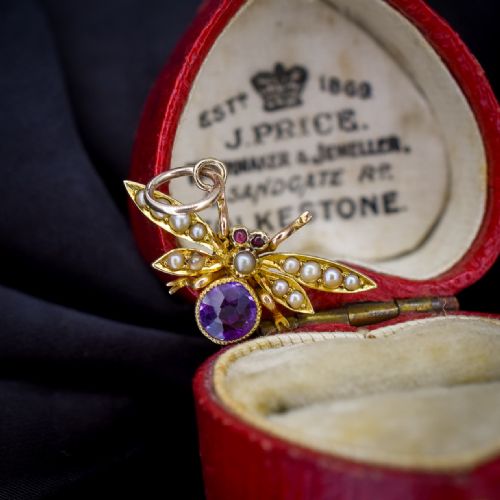
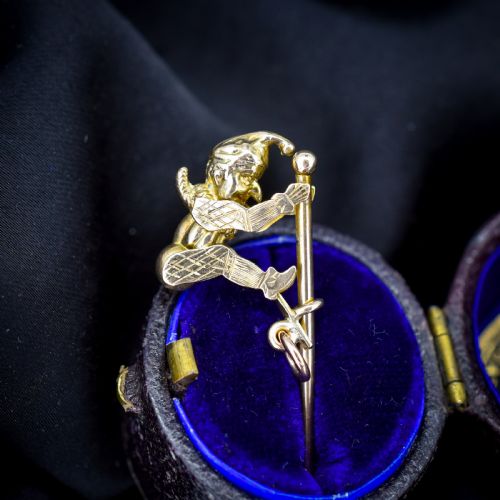
These pieces of victorian novelty jewellery capture a playful spirit through miniature animals, insects, and everyday objects rendered in precious metals.
Victorian Novelty Jewellery
When buyers search for victorian novelty jewellery, they encounter an imaginative range of decorative items designed to amuse and delight. The pieces span periods including the Victorian era, Edwardian years, and early twentieth century.
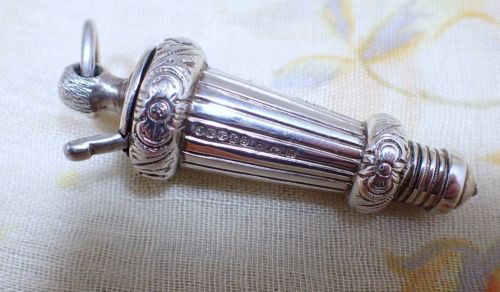
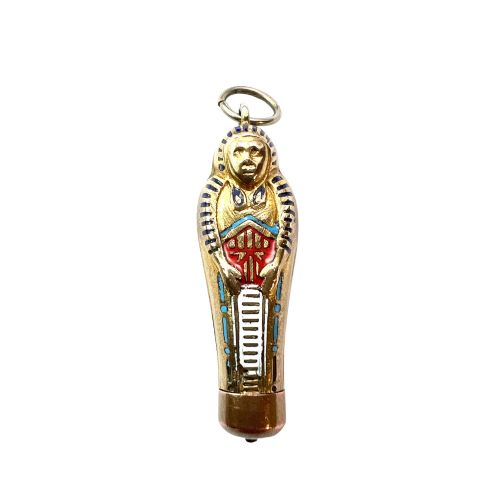
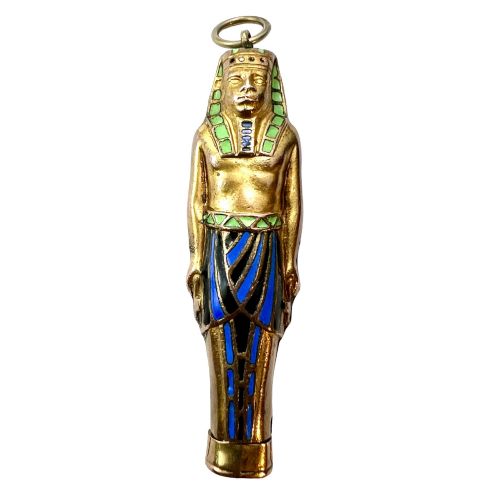
Origins and styles stretch from standard Victorian designs to Egyptian Revival, Scottish Revival, Victorian Gothic, and Victorian Equestrian themes. Buyers meet everything from gold insect charms to silver whistle pendants on this page.
Materials and construction
Items are fashioned from silver, sterling silver, gold, 9ct gold, 15ct gold, and gilt metal alongside brass and bronze. Precious metals form the structural bodies of animals, insects, and utility items like whistles and pencils.
Gems and decorative finishes include diamonds, emeralds, amethysts, pearls, coral, multi gem sets, and enamel. Surface details often incorporate textured metals mimicking animal skin or finely chased plumage.
Functional elements require precise mechanical execution, seen in sliding charm mechanisms, propelling pencils, hinged trinket boxes, and split rings. Construction combines metalwork casting, stone setting, and enamel application.
Victorian Novelty Jewellery Retail Price Guide 2026
Typical asking prices for victorian novelty jewellery among the pieces listed under this phrase on Sellingantiques today, from the lower quarter to the upper quarter. They describe what is for sale here now, not the wider market.
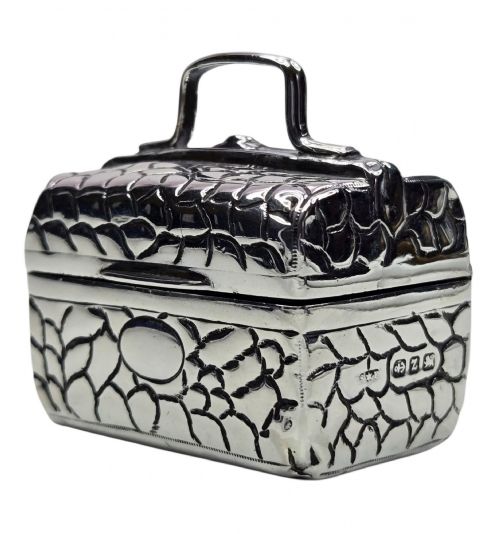
A silver crocodile skin trunk box stands ready to guard your smallest secrets.
Distinctions in quality
The higher end of the range is distinguished by the fineness of the miniature sculptural detail and the integration of precious stones. Masterful rendering of an animal's form or an insect's wings elevates a piece above standard production.
Material composition plays a role, with higher gold carat weights and diamond or emerald embellishments setting certain items apart. Workmanship in mechanical parts, such as the smooth sliding action of a charm or pencil, indicates superior production.
Provenance and specific regional attribution, such as named makers or assayed silver boxes, separate standard decorative items from more documented examples. The complexity of enamel work and multi-gem settings also marks the distinction between ordinary and exceptional pieces.
Hamilton & Co
The Victorian Novelty Jewellery Glossary
- Charm
- A small decorative pendant attached to a bracelet or necklace. These pieces often take miniature figurative shapes.
- Propelling pencil
- A pencil that uses a mechanical mechanism to extend the lead forward from a metal case. Examples here double as wearable pendants.
- Enamel
- A decorative glassy substance melted onto metal surfaces for colour. It frequently highlights details on animal and insect motifs.
- Brooch
- An ornamental piece of jewellery designed to be attached to clothing, secured with a pin clasp. Many incorporate diamond and gemstone settings.
- Trinket box
- A small container used for storing small personal items or jewellery. These often feature novelty shapes like coffins or animal skins.
Victorian Novelty Jewellery: Frequently Asked Questions
What is victorian novelty jewellery?
Victorian novelty jewellery comprises wearable items and small accessories shaped like animals, insects, or objects with a whimsical or thematic twist. These items served as fashionable accessories and conversation pieces.
They combine precious materials like gold and silver with gemstones and detailed metalwork to create miniature representations of everyday life and nature.
How were these novelty pieces worn?
Many items functioned as brooches pinned directly to garments, while others were suspended as pendants or charms from chains and split rings. Some pieces, such as propelling pencils and whistles, served a practical purpose while being worn.
Smaller items like stick pins were placed in lapels or cravats, adding a decorative touch to traditional attire.
How do I care for antique jewellery?
Antique pieces require gentle handling due to their age and delicate mechanisms, such as hinges on trinket boxes and sliding pencil parts. Cleaning should be done cautiously without harsh chemicals that might damage enamel or softer gemstones like pearls and coral.
Store items separately in soft pouches to prevent scratching between different pieces of metal and stone.
How can I tell the period?
Dating relies on material combinations, gemstone cuts, and hallmarks stamped into the metal. The presence of specific styles like Egyptian Revival or Scottish Revival often points toward distinct late nineteenth or early twentieth-century decades.
Maker's marks and registration numbers, when present, provide more precise chronological anchors for individual items.