

Victorian Mirror with Shelf
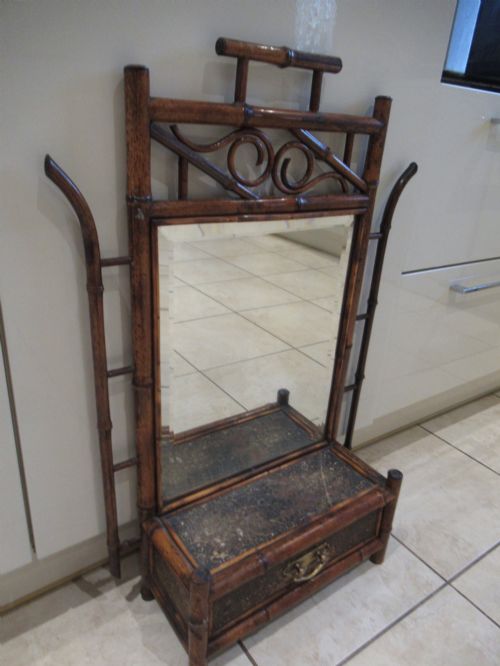
A victorian mirror with shelf combines practical surface space and reflective glass, offering a decorative addition to hallways and reception rooms.
Victorian Mirror with Shelf
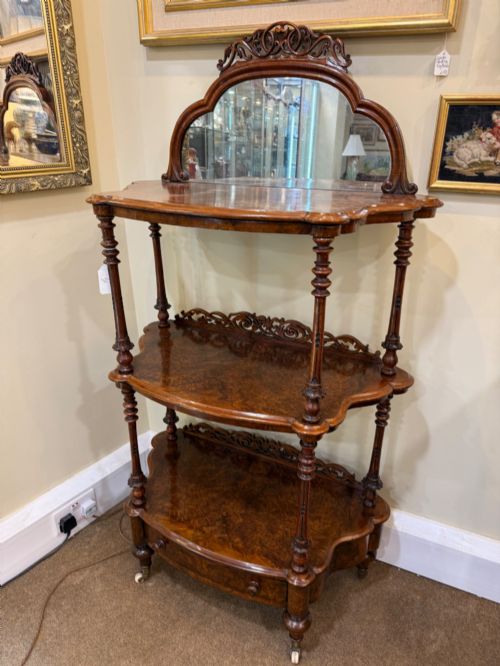
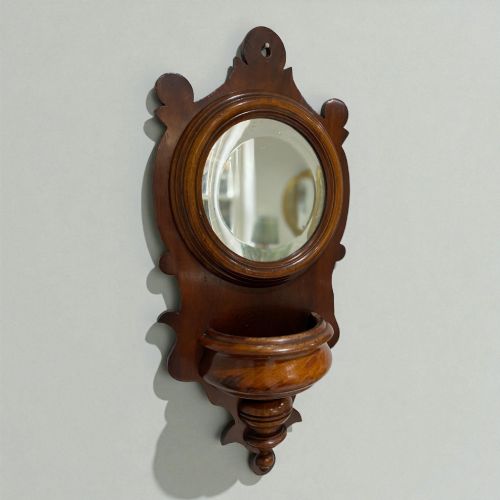
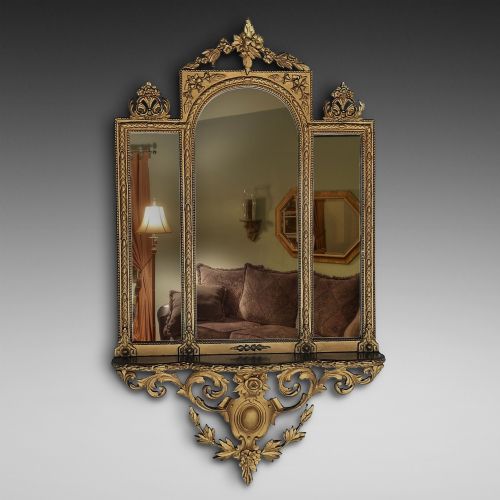
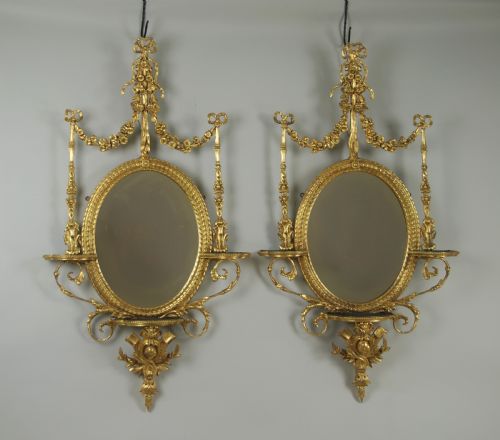
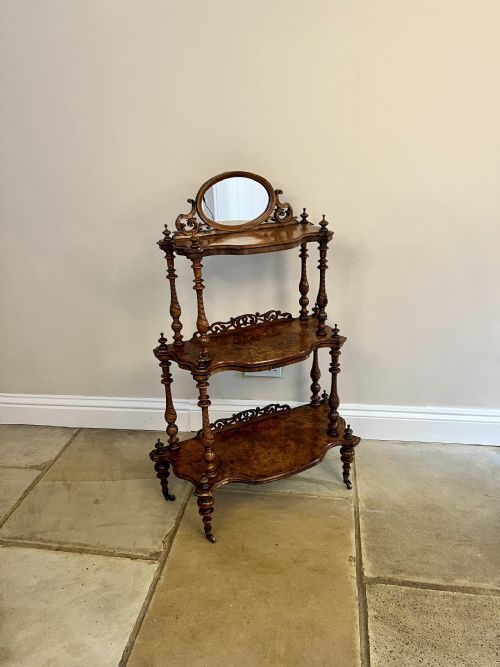
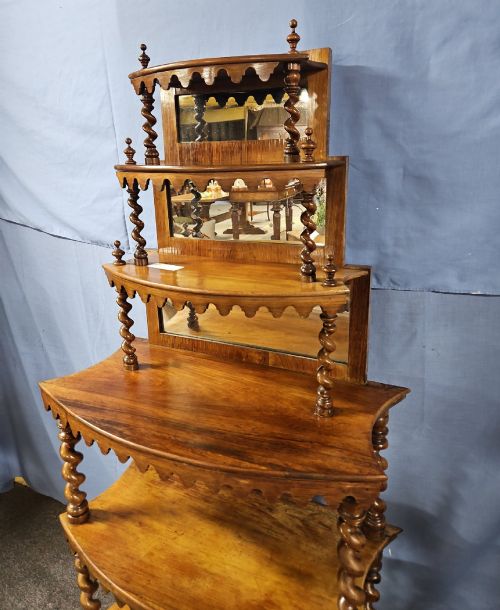
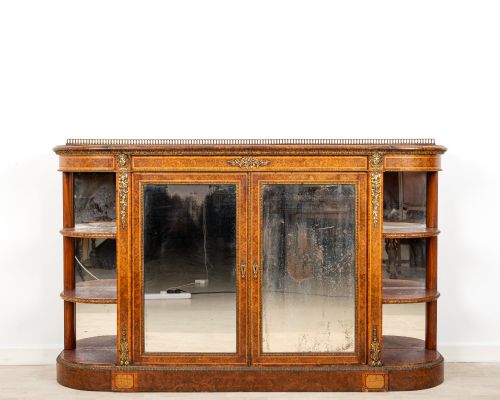
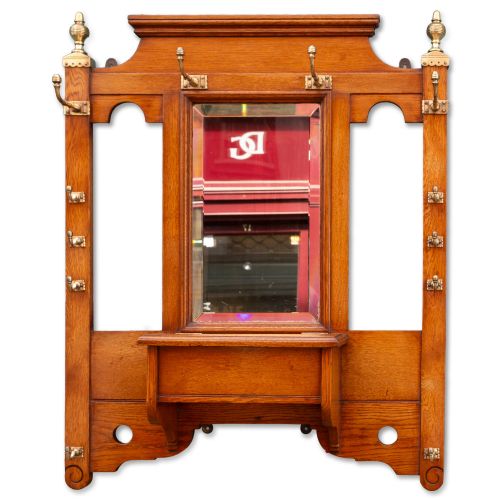
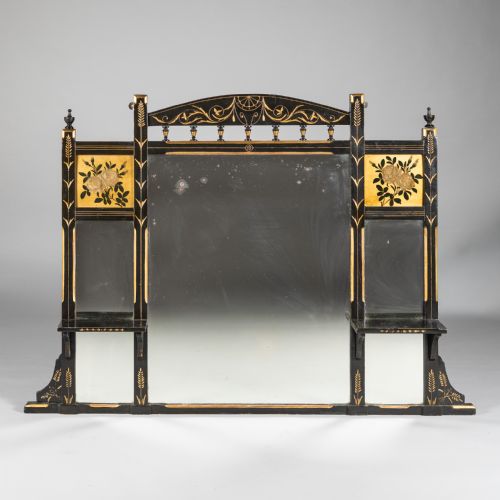
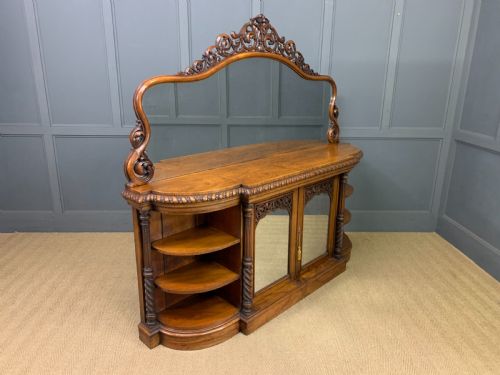
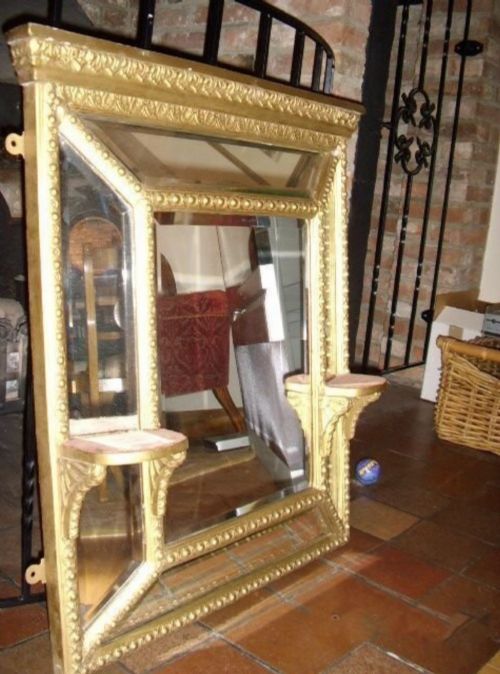
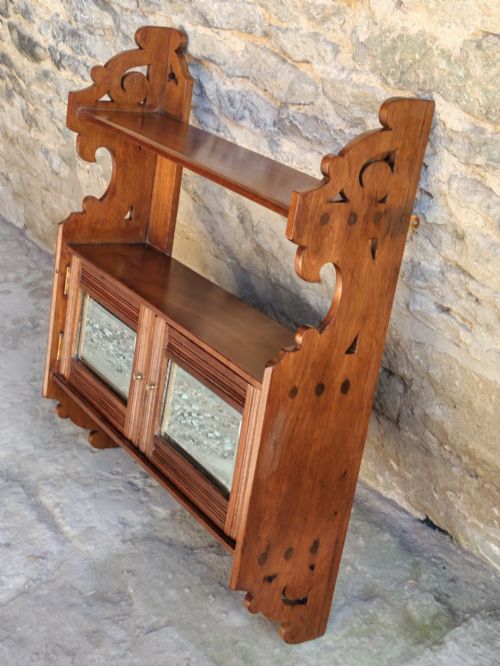
A victorian mirror with shelf appears in several distinct forms across the nineteenth century, ranging from compact wall-mounted hall mirrors to large overmantels designed for parlour fireplaces. The evidence shows these pieces span periods from the eighteen sixties to nineteen ten, incorporating styles like Aesthetic Movement, Victorian Rococo Revival, and Edwardian.
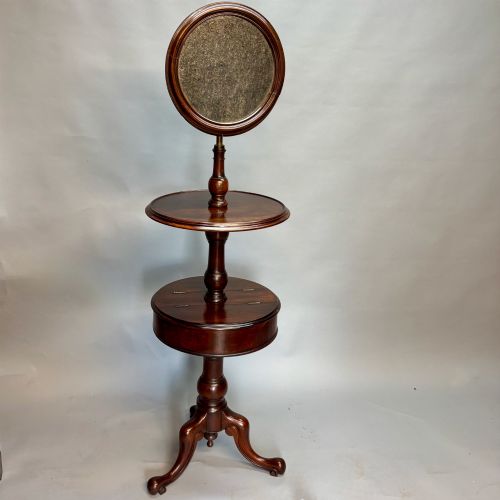
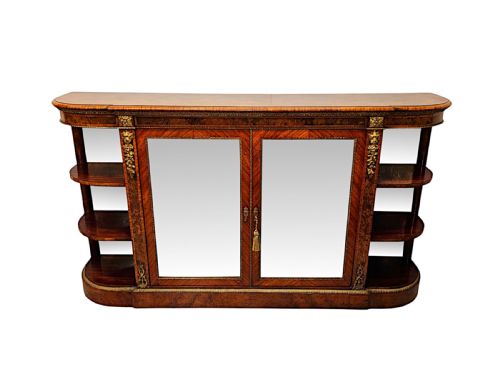
Buyers commonly encounter wall-mounted iterations featuring small display brackets or wooden ledges, alongside larger furniture forms such as credenzas, bookcases, and hall stands that integrate mirror glass with shelving. Timber frames dominate the selection, utilising mahogany, burr walnut, oak, and rosewood alongside gilded finishes.
Origin details in the listings point to English workshops as well as nineteenth-century French and Italian designs, demonstrating varied regional interpretations of the mirror-and-shelf combination. These items served functional domestic roles, providing spaces for small ornaments, cards, or grooming accessories in period homes.
Materials and Technique
Frames and structures rely on solid and veneered timbers such as mahogany, oak, rosewood, and burr walnut, often enhanced with marquetry inlay, brass mounts, or hand-carved fretwork details. Giltwood and gesso application provide ornate, reflective surfaces on overmantel and pier mirrors, requiring skilled carving and gilding techniques.
Mirror glass is integrated directly into wooden backings, cabinet doors, or wall frames, sometimes featuring bevel-cut edges or original antique plates. Structural ledges and display shelves are securely fixed to the main frame using traditional joinery methods to support the weight of small decorative objects.
Victorian Mirror with Shelf Retail Price Guide 2026
Typical asking prices for victorian mirror with shelf among the pieces listed under this phrase on Sellingantiques today, from the lower quarter to the upper quarter. They describe what is for sale here now, not the wider market.
Indicators of Quality
The sophistication of the timber veneer and the precision of decorative inlays distinguish standard production pieces from finer cabinet work, particularly in burr walnut and rosewood examples. Superior items often feature cast or gilt bronze mounts, intricate hand-carved mahogany fretwork, or maker stamps that indicate high-grade workshop execution.
The condition and clarity of the mirror glass, alongside the structural integrity of the attached shelf brackets, reflect the overall standard of preservation and original craftsmanship. Heavier overmantels and credenzas demonstrate quality through the stability of their internal shelving and the accurate fitting of their mirrored doors.
Gillows
The Victorian Mirror with Shelf Glossary
- Overmantel mirror
- A large wall mirror specifically designed to be hung or placed upon the mantelpiece above a fireplace. These frequently incorporate integrated shelves or gilded brackets.
- Credenza
- A low-standing cabinet or sideboard, often featuring mirrored doors, ormolu mounts, and display surfaces. Nineteenth-century versions frequently utilise burr walnut veneer.
- Giltwood
- Timber that has been coated with a thin layer of gold leaf or gold paint over a prepared gesso ground. It appears commonly on ornate Victorian wall and pier mirrors.
- Burr walnut
- A highly figured wood veneer derived from the node growths of walnut trees. It provides a rich, swirling grain pattern popular on Victorian furniture.
- Pier glass
- A tall vertical mirror designed to hang on the narrow section of wall between two windows. These pieces often feature a console or shelf beneath the glass.
Victorian Mirror with Shelf: Frequently Asked Questions
Where should a victorian mirror with shelf be hung?
These pieces suit entrance halls, living rooms, or above mantelpieces where the integrated shelf can hold small decorative items. Their sturdy timber frames require secure wall fixings to support the weight safely.
Positioning the mirror to reflect natural light helps brighten darker rooms while showcasing the carved wood or gilded frame.
How do I identify the period of a mirror?
Dating relies on examining the timber types, decorative styles such as Aesthetic Movement or Rococo Revival, and construction techniques visible in the frame. Nineteenth-century examples often feature hand-beveled glass plates and traditional joinery.
Maker marks, stamps, or labels on the reverse can provide more precise origin details for specific pieces.
What objects can the shelf hold?
The ledges and display brackets are designed for lightweight decorative objects, visiting cards, small clocks, or porcelain figurines. Heavy items should be avoided to prevent strain on the shelf joints and brackets.
Original shelves on hall stands and credenzas often accommodated grooming items or small books depending on the domestic context.
How do I care for antique mirror glass and timber?
Cleaning requires soft, dry cloths for the wood and gentle glass cleaner applied sparingly to avoid seeping behind the antique mirror plate. Avoiding direct sunlight helps preserve the finish of mahogany, rosewood, and giltwood frames.
Regular dusting maintains the polish of veneered surfaces without damaging historic finishes.