

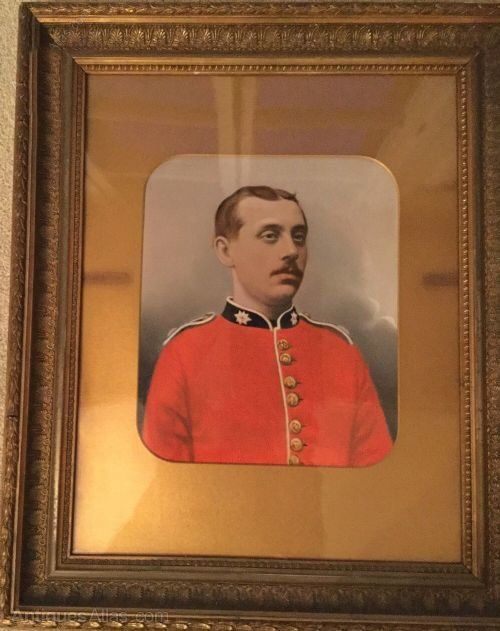


Victorian Military Wall Art
These pieces of victorian military wall art bring historical campaigns, regiments and commanders directly onto the wall in oil, canvas and print.
Victorian Military Wall Art
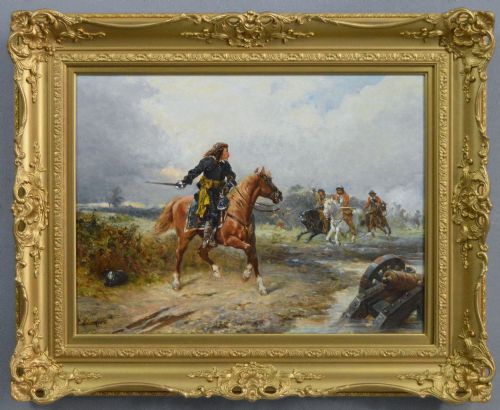
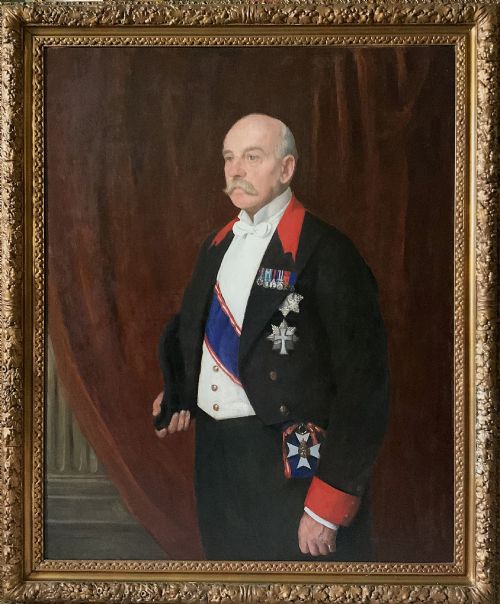
Victorian military wall art encompasses oil paintings, watercolours, wood engravings, etchings and framed prints depicting soldiers, officers, battles and naval figures. These works span the nineteenth century, featuring portraits of generals, cavalrymen and militia alongside depictions of historic engagements.
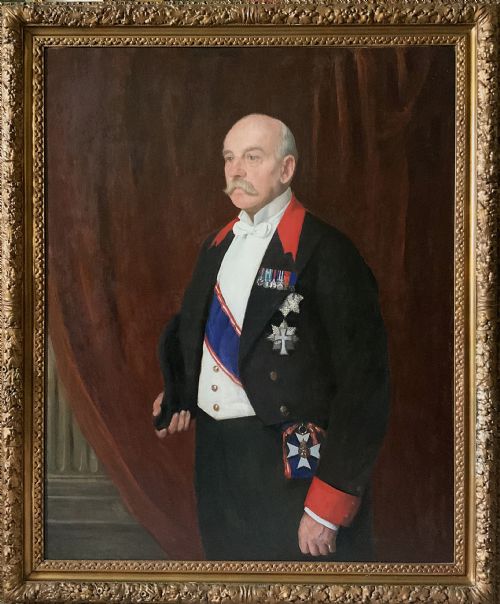
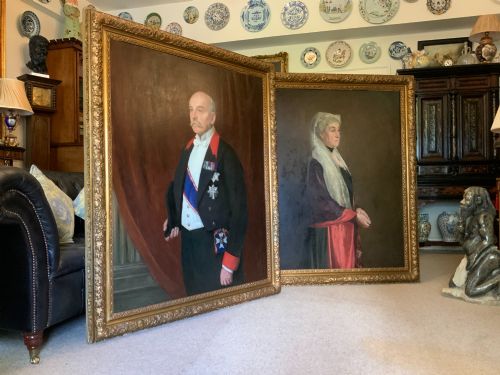
The selection ranges from large commemorative portraiture in giltwood frames to smaller engravings, watercolours and printed ephemera. Subjects include named figures such as Major-General Sir Stanley Clarke and Admiral Edmund Lyons, as well as scenes from the Second Anglo-Afghan War and the Royal Review of the Scottish Volunteers.
Most items reflect nineteenth-century British military interests, combining portraiture of individual officers with narrative battle scenes and regimental mementoes. Framed artwork and prints dominate the offerings, presented in wood and giltwood frames.
Materials and technique
Works in this category rely primarily on oil on canvas, watercolour and ink on paper, alongside wood engravings and etched prints. Canvases are frequently housed in heavy giltwood or wood frames, while paper items utilise period framing and glass protection.
Techniques range from detailed oil portraiture and atmospheric landscape watercolours to hand-coloured prints, wood engravings and commemorative embroidery mounted in frames.
Horses share the canvas with military officers, recording the likeness of chargers alongside their riders.
Evaluating the pieces
Quality rests upon the skill of the draughtsmanship and the fidelity of the uniform and facial details rendered by the artist. Named sitters and documented historical events generally elevate the standing of a painting or print.
The choice and preservation of the framing materials, such as elaborate giltwood surrounds or period oak frames, influence the overall presentation of the artwork.
The Victorian Military Wall Art Glossary
- Giltwood
- Wood carved and covered with a thin layer of gold leaf or gold paint. It provides a decorative and reflective border for oil portraits.
- Engraving
- A printmaking technique where an image is incised into a metal plate or wood block to hold ink. It allows multiple impressions of battle scenes or portraits to be produced.
- Militia
- A military force composed of non-regular citizen soldiers raised for local defence. These units appear frequently in nineteenth-century portraiture.
- Watercolour
- A painting method where fine pigment is suspended in a water-soluble binder on paper. It creates transparent washes often utilised for military sketches and studies.
Victorian Military Wall Art: Frequently Asked Questions
What periods do these pieces represent?
The works primarily date from the nineteenth century, aligning with the Victorian era and adjacent periods like the Edwardian years. Some items extend into the mid-twentieth century.
Dates are established through stylistic evidence, named subjects and documented artist active years.
How were these artworks displayed originally?
Many of these pieces hung in officers' messes, regimental headquarters and domestic drawing rooms to commemorate service and military victories.
Large oil portraits and framed prints served to honour commanders and record historic campaigns for posterity.
Are the subjects usually identified?
Many portraits name specific officers, generals or historical figures, accompanied by their regiment or rank. Other works depict broader scenes such as cavalry charges or camp life without naming individual soldiers.
Inscriptions on canvases or framing often record the identity of the sitter or the event portrayed.
What types of frames accompany them?
The artworks arrive in various surrounds, including ornate giltwood frames, plain wood mouldings and period oak cases. Many retain glass to protect paper prints and watercolours.
Frame styles generally match the Victorian or Regency periods of the enclosed pieces.