

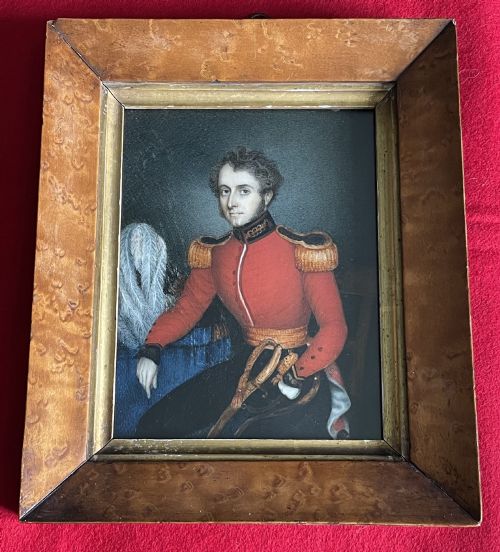


Victorian Military Picture
These Victorian military picture selections capture historic regiments and campaigns through period oil paintings, watercolours, and detailed prints.
Victorian Military Picture
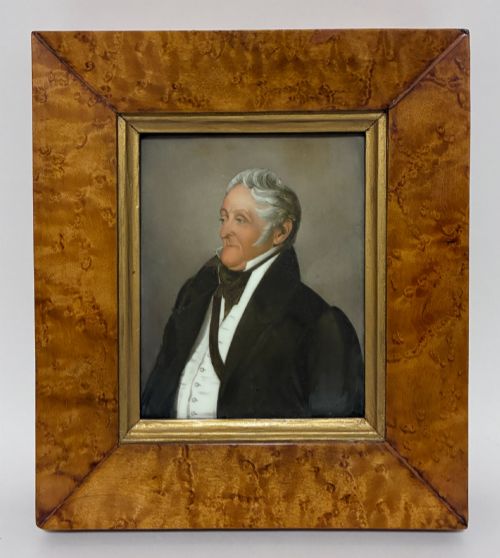
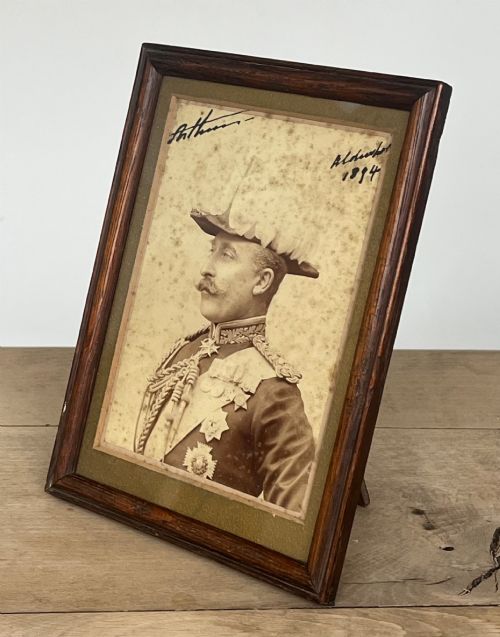
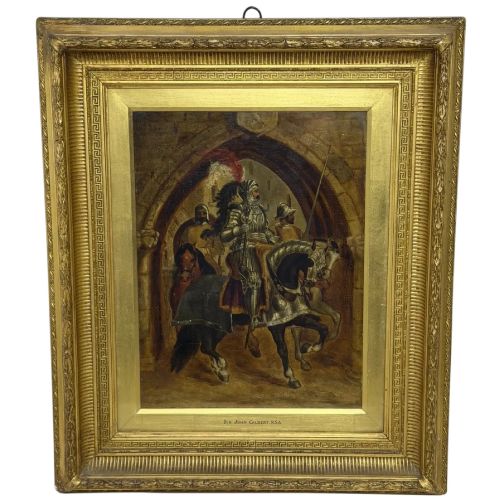
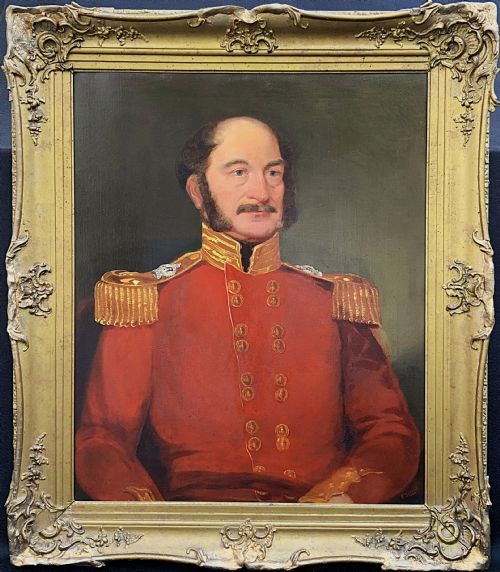
A Victorian military picture represents officers, soldiers, and historic campaigns through various artistic mediums including oil paintings, watercolours, and framed prints. Buyers searching for a Victorian military picture will encounter portrayals of cavalry officers, red coat portraits, and regimental scenes spanning the nineteenth century.
The pieces on this page range from portrait miniatures and watercolour studies by artists like Thomas Mackay to large framed prints and commemorative needlework embroideries. Many works document specific military divisions such as the Royal Artillery and the 3rd Dragoon Guards.
While the core of these works sits firmly in the Victorian era, related pieces stretch from Georgian needlework silk pictures to late nineteenth-century works and early twentieth-century prints. Collectors find both intimate miniature watercolours and expansive framed canvas paintings reflecting nineteenth-century military life.
Assessing quality in military works
Quality in these military works rests upon the precision of the uniform details, the fidelity of the portraiture, and the reputation of the artist or circle involved. Works attributed to known painters or published through established houses command greater attention for their artistic execution.
The preservation of delicate materials such as silkwork embroidery, paper watercolours, and canvas oil paint dictates the visual impact of the piece. Strong framing in original oak or gilt wood further enhances the historical integrity of the artwork.
Victorian Military Picture Retail Price Guide 2026
Typical asking prices for victorian military picture among the pieces listed under this phrase on Sellingantiques today, from the lower quarter to the upper quarter. They describe what is for sale here now, not the wider market.
Some officers clearly sat for their watercolours with an air of immense dignity while their horses remained entirely unimpressed.
Sir John Gilbert RA·John A Houston·Gilbert Scott Wright·Thomas Mackay·David Wilkie
The Victorian Military Picture Glossary
- Dragoons
- A class of cavalry soldier who originally fought on horseback but could dismount to fight on foot. They feature prominently in nineteenth-century military portraiture.
- Gilt wood
- Wood coated with a thin layer of gold leaf or gold paint, frequently used for traditional picture frames during the nineteenth century.
- Watercolour
- A painting method where the paints are made of pigments suspended in a water-based solution. These works on paper require protection behind glass.
- Needlework
- Decorative sewing and textile art, encompassing commemorative silk pieces created to honour specific regiments and royal artillery batteries.
- Portrait miniature
- A small, highly detailed painting, often executed on ivory, vellum, or card, capturing the likeness of military officers.
Victorian Military Picture: Frequently Asked Questions
What subjects appear in these military pictures?
The works depict individual officers, cavalry regiments, red coat soldiers, and historic scenes such as royal reviews and veteran gatherings.
Specific divisions like the Royal Artillery and the 3rd Dragoon Guards frequently appear across the painted and embroidered pieces.
How are these historic pieces framed?
Many works are housed in period oak frames or decorative gilt wood surrounds that complement the nineteenth-century aesthetic.
Watercolours and prints are typically protected beneath glass to preserve the paper and textile surfaces.
Are these works original nineteenth-century pieces?
The selection includes original oil paintings, period watercolours, and authentic nineteenth-century prints and commemorative silkwork.
Dating spans from Georgian textile pieces through to early twentieth-century published prints.
How should textile military pictures be displayed?
Silkwork and needlework pieces require wall placement away from direct sunlight to prevent fading of the delicate threads.
Keeping them framed behind glass protects the antique textiles from atmospheric dust and moisture.