




Victorian Microscope
A victorian microscope represents an era of meticulous scientific enquiry, offering the tactile pleasure of heavy brass mechanics and fitted mahogany cabinetry.
Victorian Microscope
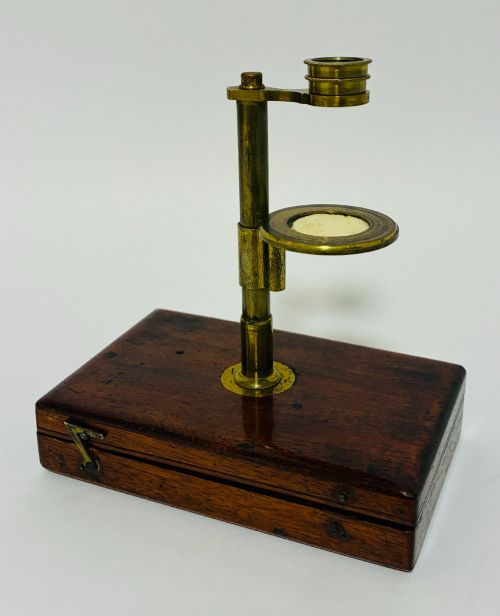
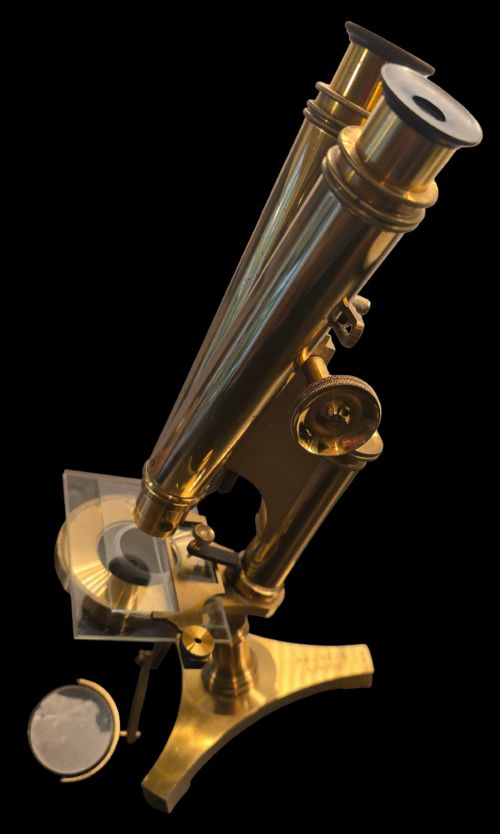
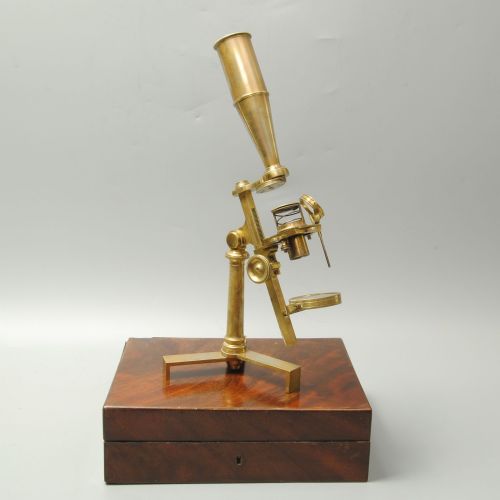
A victorian microscope encompasses scientific instruments and associated items from the nineteenth century, including compound models, field variations, and drum forms. These pieces reflect the period's intense fascination with natural philosophy and botanical study.
Buyers frequently encounter brass and glass instruments housed in original wooden cases, often accompanied by related accessories like microscopy candle shades or specialised slide cabinets in walnut and mahogany.
Materials and construction
Makers constructed these scientific instruments primarily from polished brass and cast iron, ensuring stability and precise optical alignment. Optics incorporated quality glass lenses housed within adjustable metal tubes.
Enclosing cabinetry utilised dense hardwoods such as mahogany and walnut, frequently fitted with internal velvet, fabric, or leather linings to protect delicate apparatus during transport and storage.
Victorian Microscope Retail Price Guide 2026
Typical asking prices for victorian microscope among the pieces listed under this phrase on Sellingantiques today, from the lower quarter to the upper quarter. They describe what is for sale here now, not the wider market.
Judging quality and execution
Superior examples demonstrate fluid mechanical movement in the focus adjustments and stage controls, alongside unblemished optical glass. The refinement of the brass casting and the tightness of the case joints indicate the original workshop standard.
Associated storage pieces display craftsmanship through the precise dovetailing of drawers, particularly in multi-drawer slide cabinets constructed from figured mahogany or satinwood.
R. and J. Beck, London·M Pillischer of London·H Hughes and Son London
The Victorian Microscope Glossary
- Compound microscope
- An optical instrument utilising multiple lenses to achieve higher magnification of specimens. This configuration provides both an objective lens and an eyepiece for detailed observation.
- Drum microscope
- A compact nineteenth-century design where the main body slides within a cylindrical outer casing. This form offers portability and simpler mechanical adjustment.
- Binocular microscope
- An instrument featuring two eyepieces for simultaneous viewing with both eyes. This arrangement reduces eye strain during prolonged examination sessions.
- Specimen cabinet
- A specialised piece of furniture containing numerous shallow drawers designed to store glass microscope slides. These cabinets often feature locking doors and precise internal routing.
Victorian Microscope: Frequently Asked Questions
What is a victorian microscope used for?
These nineteenth-century instruments served scientific inquiry, educational demonstration, and amateur natural history pursuits like botanical or entomological study. Owners examined prepared slides of biological tissues, pond water organisms, and mineral sections.
Today, they function primarily as decorative objects of scientific heritage, though mechanically sound examples remain fully capable of optical magnification.
How do I care for brass and wood?
Keep brass instruments away from damp environments to prevent oxidation and verdigris formation on the metal surfaces. Clean optical glass only with specialised lens tissue to avoid scratching delicate coatings.
Maintain the polished mahogany or walnut cabinetry with occasional applications of traditional paste wax, buffing gently with a soft cloth to preserve the timber finish.
Are original cases important?
Fitted wooden cases protect the delicate mechanical components and brass adjustments from dust, knocks, and atmospheric moisture. Finding an instrument with its matching storage box adds historical completeness.
These containers often feature maker plaques, internal velvet lining, and specialised compartments designed specifically for that individual instrument and its accessories.