








Victorian Metal Sign
These pieces of a victorian metal sign range from cast iron street markers and enamel train plaques to intricate bronze portrait reliefs, offering a direct tangible link to nineteenth-century commerce and public life.
Victorian Metal Sign
When you search for a victorian metal sign, you encounter a diverse group of objects spanning trade signage, municipal markers, and decorative reliefs from the nineteenth century. These pieces encompass street names, railway notices, and commercial trade symbols made to communicate information or identity in public and private spaces.
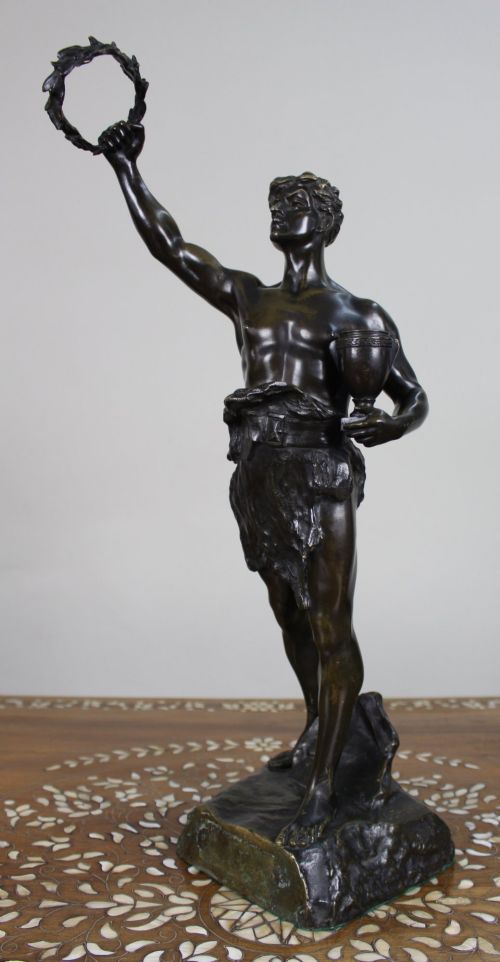
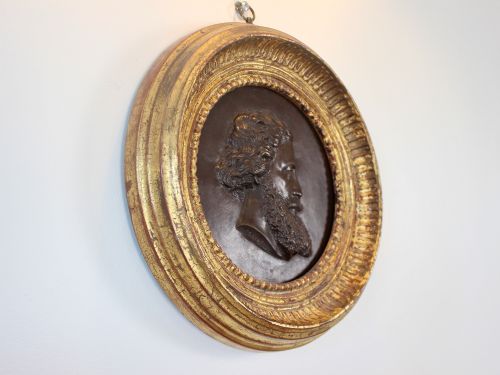
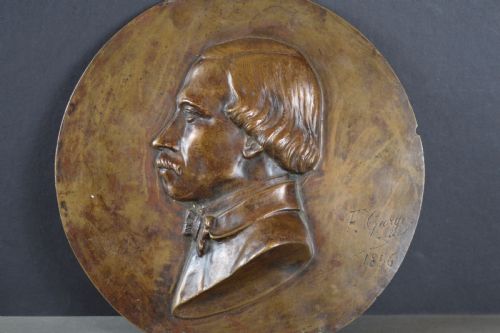
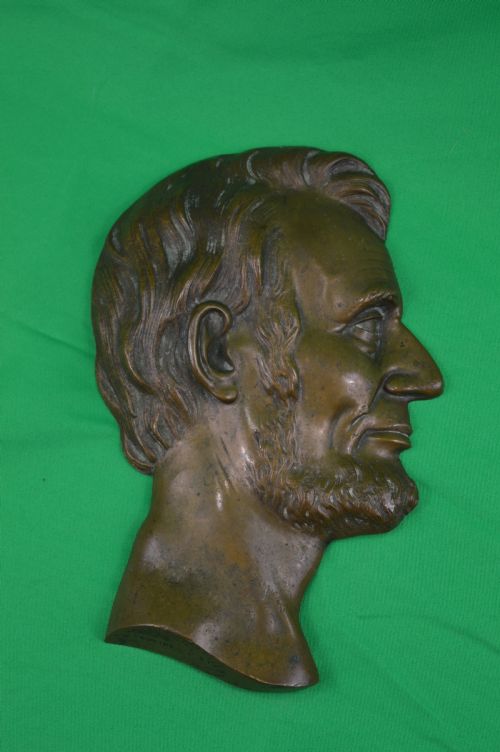
The selections on this page appear in various forms including heavy cast iron wall plaques, painted tin advertising pieces, and detailed bronze portrait figures. Alongside architectural door hardware and bell name plates, these items reflect the practical and industrial applications of metalwork during the period.
Originating predominantly from British and French contexts, these items bridge the gap between utilitarian municipal fixtures and fine artistic foundry work. Buyers often encounter pieces bearing specific maker signatures, foundry marks, or regional armorial designs that ground each object in a distinct historical location.
How they were made
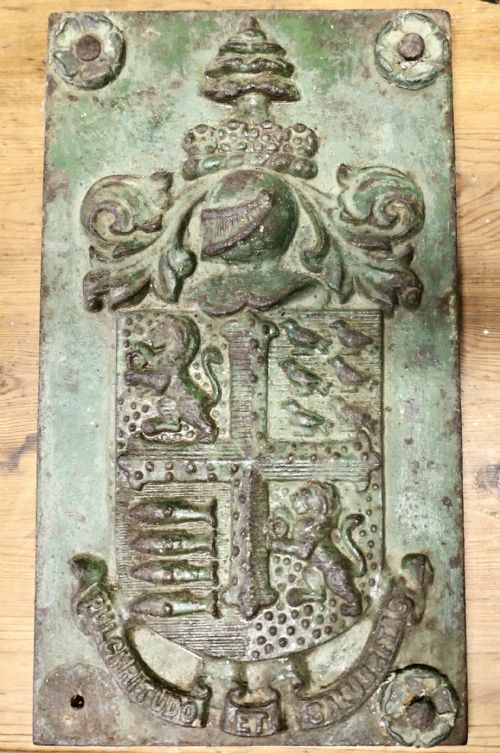
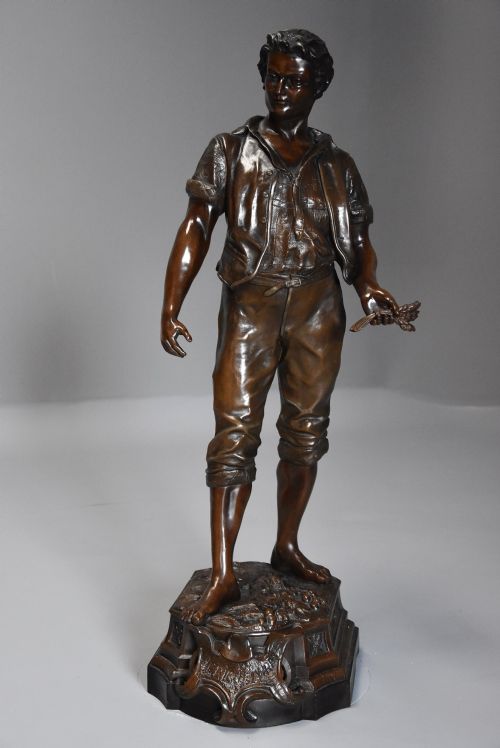
Foundries utilised traditional casting techniques for iron and bronze pieces, pouring molten metal into sand moulds to achieve crisp lettering and high-relief armorial details. Spelter pieces received a bronze finish to emulate more costly metals while offering a lighter alternative for sculptural figures.
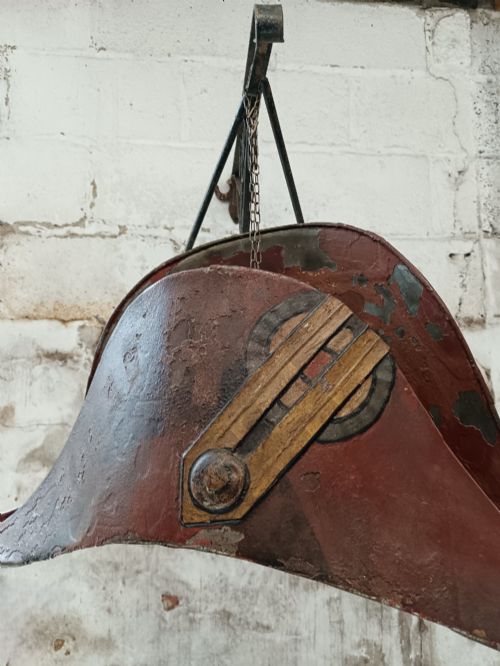
Surface decoration frequently involved applied paint, enamel, and toleware techniques to ensure legibility and visual impact on exterior walls or inside railway stations. Artisans also hand-chiselled signatures and chased details into bronze portraits and plaques after the initial casting process concluded.
Victorian Metal Sign Retail Price Guide 2026
Typical asking prices for victorian metal sign among the pieces listed under this phrase on Sellingantiques today, from the lower quarter to the upper quarter. They describe what is for sale here now, not the wider market.
The listings feature pieces spanning the nineteenth and early twentieth centuries, constructed from cast iron, bronze, spelter, and painted tin.
What varies in quality
Quality resides in the crispness of the casting and the legibility of lettering across iron and bronze plaques, distinguishing utilitarian municipal output from finer foundry commissions. Pieces featuring distinct signatures from named sculptors or established makers carry a greater level of artistic execution.
The condition of original painted or enamelled surfaces significantly influences the overall integrity of an advertising or railway sign. Intact lettering and authentic mounting hardware preserve the historical context of the piece far better than later repainting or alteration.
Lemoyne·F. Milliot·Mainfroy·J. Lavergne
The Victorian Metal Sign Glossary
- Spelter
- An alloy primarily composed of zinc, frequently utilised in the nineteenth century as a cost-effective substitute for bronze when casting sculptural figures and decorative objects. It accepts various metallic finishes to imitate higher-value materials.
- Toleware
- Metalware, usually iron or tin, that has been lacquered and hand-painted with decorative designs. This technique was commonly applied to trade signs and domestic objects during the nineteenth century.
- Armorial
- Pertaining to heraldry or coats of arms displayed on plaques and architectural elements. These designs often denote civic authority, institutional identity, or family lineage.
- Enamel
- A glass-like substance fused to a metal substrate through high-temperature firing, creating a durable and glossy surface. It was widely adopted for railway and advertising signs due to its weather resistance.
- Foundry mark
- An identifying stamp, cast directly into the metal or punched subsequently, indicating the workshop or manufacturer responsible for producing the piece. These marks assist in determining the geographic origin and period of an item.
Victorian Metal Sign: Frequently Asked Questions
How were trade signs displayed originally?
Tradesmen mounted these signs perpendicularly or flat against shopfronts and interior walls to identify their specific businesses to passing pedestrians. Many incorporated hanging brackets or specialised fixings designed for exterior durability.
Today, collectors mount them using sympathetic wall fixings that respect the original mounting holes and structural weight of the cast iron or metal substrate.
What is the difference between bronze and spelter?
Bronze is a robust copper alloy prized for its longevity, fine detail retention, and deep natural patina when exposed to the elements over centuries. Spelter uses zinc as its primary base, offering a lighter and softer alternative that requires careful handling.
Objects cast in spelter often feature a applied bronze finish to simulate the heavier and more expensive metal.
How do I clean an antique metal sign?
Surface dust and grime should be removed gently using a dry, soft-bristled brush or a microfiber cloth without aggressive scrubbing. Avoid chemical polishes or abrasive liquids that might strip away original paint, enamel layers, or historical patination.
Preserving the stable surface skin is essential for maintaining the authenticity and visual history of the piece.
Can street signs and plaques be dated accurately?
Dating relies heavily on typographic styles, casting techniques, and contextual clues such as specific railway company names or municipal authorities recorded on the piece. Foundry marks and patent dates inscribed directly into the metal also provide narrow chronological windows.
Comparing construction methods with documented civic or industrial hardware helps confirm the correct period.