



Victorian Metal Relief Art
Victorian metal relief art brings tactile depth to walls through copper, bronze, and iron panels cast or beaten with figures and portraits.
Victorian Metal Relief Art
Victorian metal relief art comprises wall plaques, chargers, and decorative boxes made during the nineteenth century. These pieces range from Gothic Revival chargers to Arts and Crafts silver angel reliefs and Art Nouveau caskets.
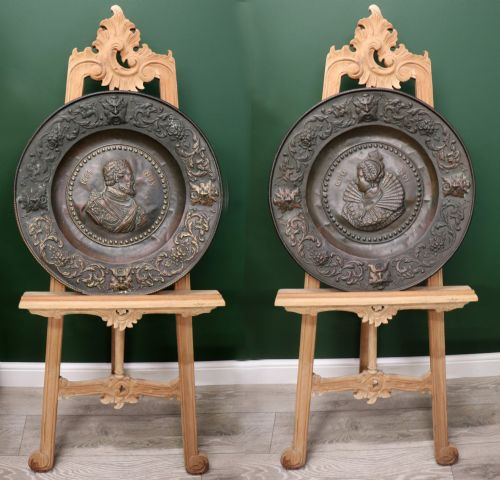
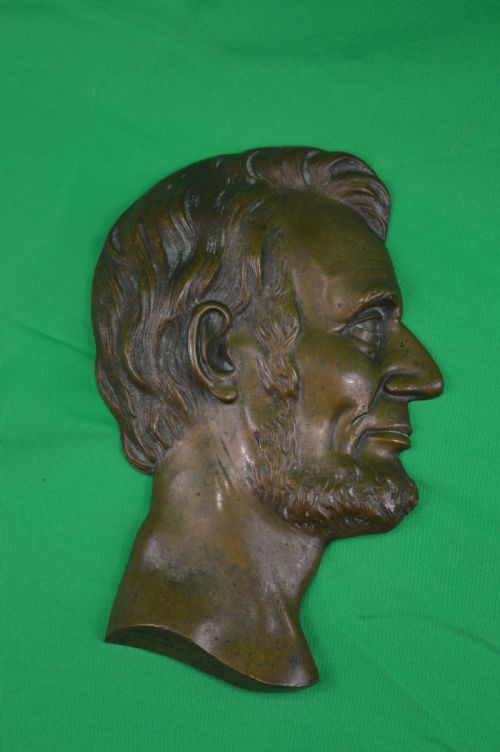
Buyers frequently encounter wall plaques and panels cast in bronze, copper, and white metal. Common subjects include historical portraits, classical figures, and religious motifs set within various revival styles.
The selection spans from the mid-nineteenth century through to the eighteen-nineties, encompassing diverse aesthetics such as Baroque Revival, Indo-Persian, and Victorian Neoclassical. Each piece demonstrates the period's fascination with sculptural metalwork for interior decoration.
How Victorian metal relief art was made
Maker's workshops utilised casting and beating techniques in copper, bronze, gilt metal, and iron to achieve high-relief surfaces. Cast iron and bronze pieces were often patinated or bronzed to enhance the depth of the figures.
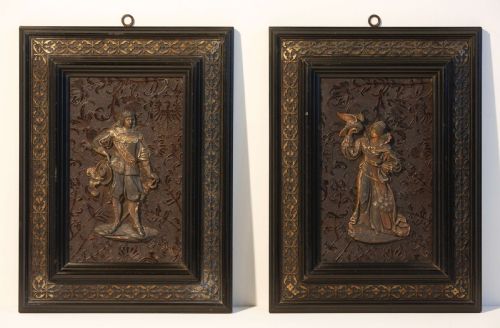
Surfaces were frequently mounted on wood or ebonised wood panels for display. Artisans combined gilding and painted details on metals like white metal and copper to create contrast within the relief compositions.
A Victorian metal relief piece featuring Diana the huntress brings ancient mythology straight into the nineteenth-century parlour.
What varies in quality in Victorian metal relief art
Definition and crispness in the cast or beaten figures dictate the visual success of a relief panel. Sharper details in facial expressions and drapery indicate superior craftsmanship in workshops such as Coalbrookdale.
The choice of secondary materials, such as solid oak or ebonised wood mounts, affects the overall physical presence of the piece. Integrated patination and well-preserved gilding further elevate the distinction between standard production and masterwork.
Coalbrookdale
The Victorian Metal Relief Art Glossary
- Relief plaque
- A flat panel where the sculpted design projects from the background. This form is typical for wall-mounted portraits and narrative scenes.
- Wall charger
- A large decorative round dish intended for display rather than table use. These items often feature historical or allegorical portraits.
- Gilt metal
- Metal treated with a thin layer of gold leaf or gilt wash. This finish provides a bright metallic sheen to highlights.
- Ebonised wood
- Timber treated to resemble ebony, providing a dark, matte contrast. It frequently frames metal relief plaques.
Victorian Metal Relief Art: Frequently Asked Questions
What is Victorian metal relief art?
Victorian metal relief art consists of decorative plaques, chargers, and panels created during the nineteenth century. These objects feature raised designs moulded or beaten from copper, bronze, iron, and silver.
Subjects range from historical portraits and classical figures to religious scenes and allegorical tableaus. They reflect the period's preference for tactile, sculptural wall decoration.
How were these wall plaques displayed?
Many metal relief pieces were designed specifically for wall hanging, often mounted on timber backing boards or ebonised wood frames. Larger chargers and heavy iron plaques utilised integrated hanging loops or sturdy wall brackets.
Smaller decorative boxes and caskets with relief lids served as tabletop display items. They functioned as functional containers while showcasing detailed metalwork.
How do I identify the period?
Dating relies on stylistic clues, manufacturing techniques, and specific revival movements associated with the nineteenth century. Gothic Revival, Baroque Revival, and Arts and Crafts styles each point to distinct decades within the era.
Materials also offer guidance, as white metal alloys and specific patination methods became prominent towards the end of the century. Maker signatures and registry marks provide further historical context.
What metals were commonly used?
Makers utilised a variety of metals including bronze, copper, cast iron, and white metal. Gilt metal and silver were also employed for specific decorative effects and highlights.
Metals were frequently treated with chemical patination to simulate age or enhance contrast. Wooden mounts in oak or ebonised finishes often supported the metalwork.