


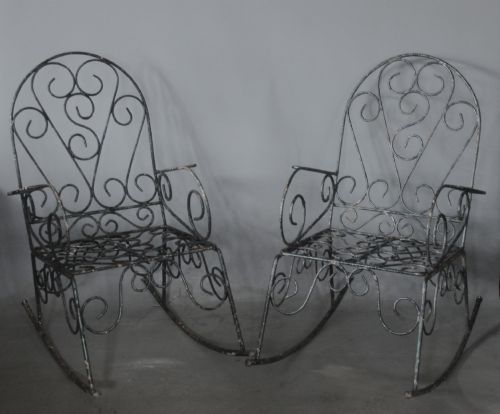

Victorian Metal Patio Chair
These victorian metal patio chair pieces bring enduring iron craft to outdoor spaces, built for strength and designed with classic period character.
Victorian Metal Patio Chair
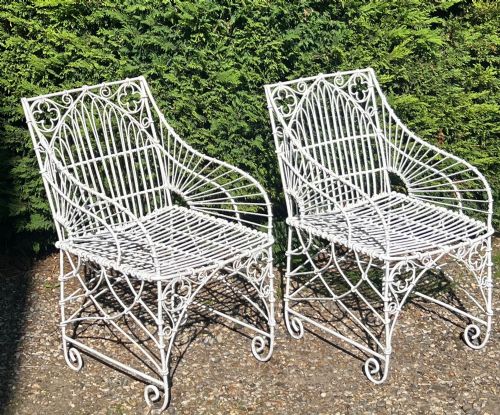
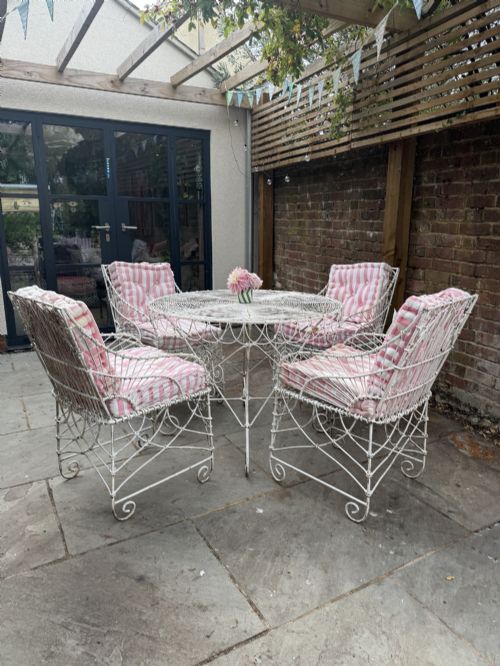
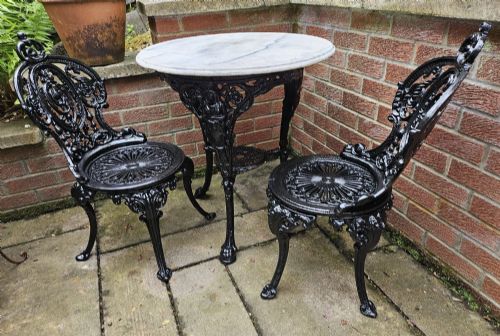
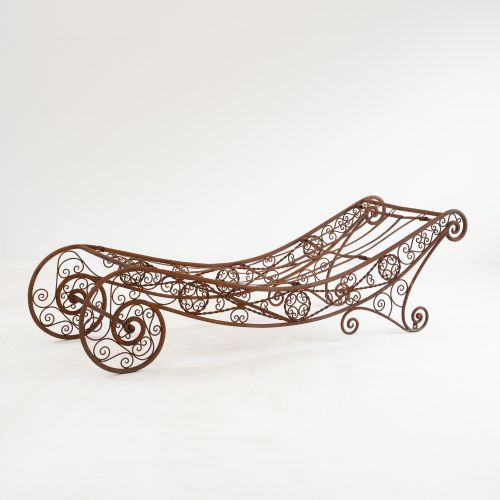
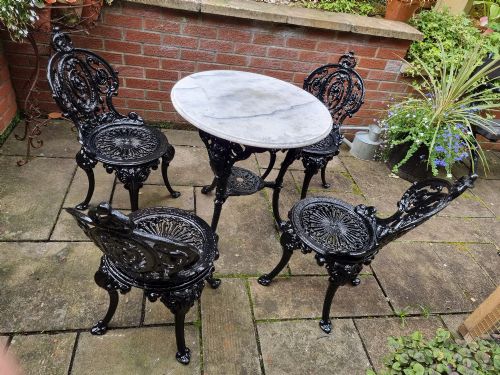
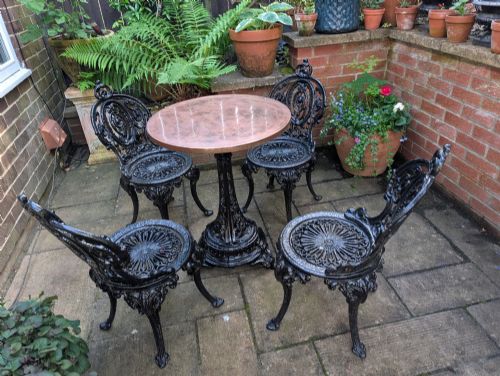
The version most commonly met on this page is the sturdy garden chair fashioned from cast iron or wrought iron. These pieces frequently appear singly, in matched pairs, or as part of larger garden dining sets alongside tables with marble or metal tops.
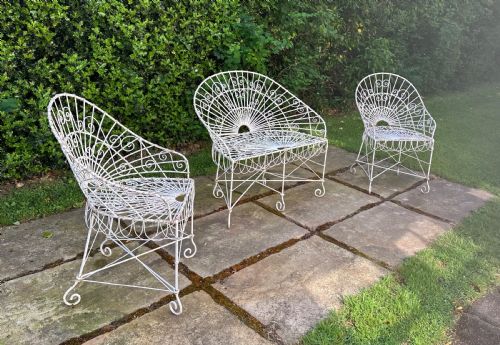
Makers and styles span pure Victorian aesthetics alongside Gothic Revival influences and Victorian wirework. Buyers will also encounter French Country pieces, showing how diverse outdoor metal seating has remained across different decades.
How they were made
Makers built these pieces primarily using cast iron and wrought iron, harnessing the strength of metal to form rigid outdoor furniture. Casting allowed for intricate decorative patterns on chair backs and table edges, whilst wrought iron provided flexibility for curved supports and wirework.
Surfaces were frequently finished with paint to protect the underlying metal from the elements. Some specialised examples incorporated added materials like marble for tabletops, or integrated wirework and fabric elements to soften the utilitarian nature of industrial iron.
Victorian Metal Patio Chair Retail Price Guide 2026
Typical asking prices for victorian metal patio chair among the pieces listed under this phrase on Sellingantiques today, from the lower quarter to the upper quarter. They describe what is for sale here now, not the wider market.
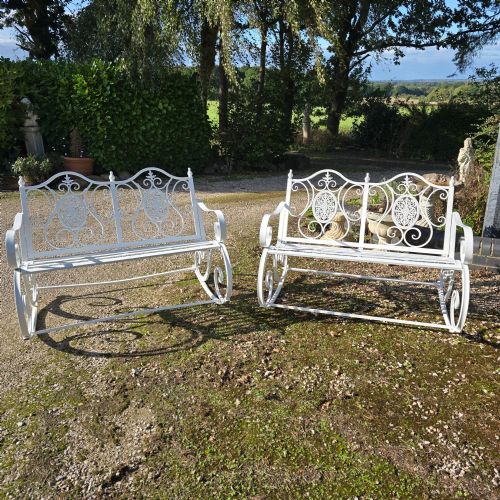
Some Victorian iron chairs were built to rock you gently on the lawn while you waited for the tea to brew.
What varies in quality
Quality rests heavily on the crispness of the original iron casting and the delicacy of the decorative motifs. Pieces featuring elaborate Gothic Revival or Christopher Dresser designs display a superior level of artistry compared to plain utilitarian seating.
The integrity of the metal structure and the survival of early painted surfaces dictate the standing of a piece. Heavier cast-iron examples often command attention for their substantial weight and enduring structural form.
Christopher Dresser
The Victorian Metal Patio Chair Glossary
- Cast iron
- A strong, hard alloy of iron and carbon poured into moulds to create decorative garden furniture. This technique allowed Victorian founders to produce ornate scrollwork and detailed chair backs.
- Wrought iron
- Iron that is heated and hammered into shape by hand, resulting in tough, fibrous metal. It appears frequently in garden daybeds and rocking chairs where resilience is paramount.
- Gothic Revival
- An architectural and design style drawing inspiration from medieval forms. Pieces in this tradition often feature pointed arches and vertical lancet motifs.
- Victorian wirework
- An intricate technique using drawn metal wire twisted into delicate mesh and scroll patterns. It defines lighter garden seating and plant stands from the period.
- Bistro set
- A small table accompanied by two or four matching chairs designed for compact outdoor dining. They are typically fashioned from cast iron with round tabletops.
Victorian Metal Patio Chair: Frequently Asked Questions
What periods do these chairs cover?
The listings span from the mid-nineteenth century up to the 1930s. They include authentic Victorian pieces alongside later revivals.
Buyers will find that designs often bridge multiple decades while retaining classic nineteenth-century iron forms.
How were these metal chairs used?
These pieces were built for permanent outdoor placement on patios, lawns, and in garden rooms. They served as functional seating for dining, resting, or quiet contemplation.
Many were sold as complete sets with matching tables, while others functioned as standalone benches or rocking chairs.
How do I care for iron garden furniture?
Iron furniture benefits from periodic cleaning and proper maintenance of its protective paint coating. Keeping the metal sealed prevents oxidation from damp weather.
Storing pieces or protecting them during harsh winter months helps preserve the original material integrity.
How do I identify a Gothic Revival piece?
Gothic Revival items display architectural motifs drawn from medieval buildings, such as pointed arches and vertical tracery. These elements are cast directly into the iron backs of the chairs.
Such details give the furniture a distinct ecclesiastical character distinct from standard floral scrollwork.