



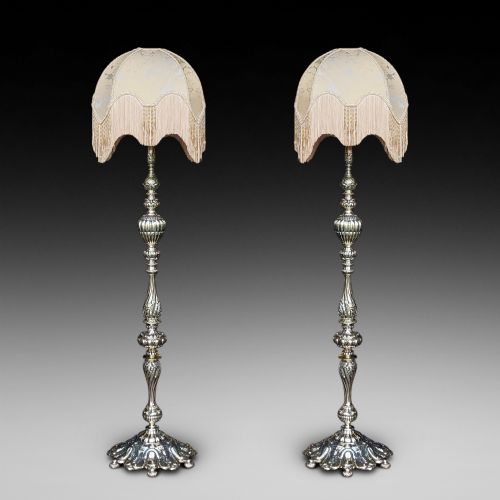

Victorian Metal Lamps
Victorian metal lamps bring domestic warmth through heavy brass, bronze and wrought iron formed into oil lamps, floor standards and wall brackets.
Victorian Metal Lamps
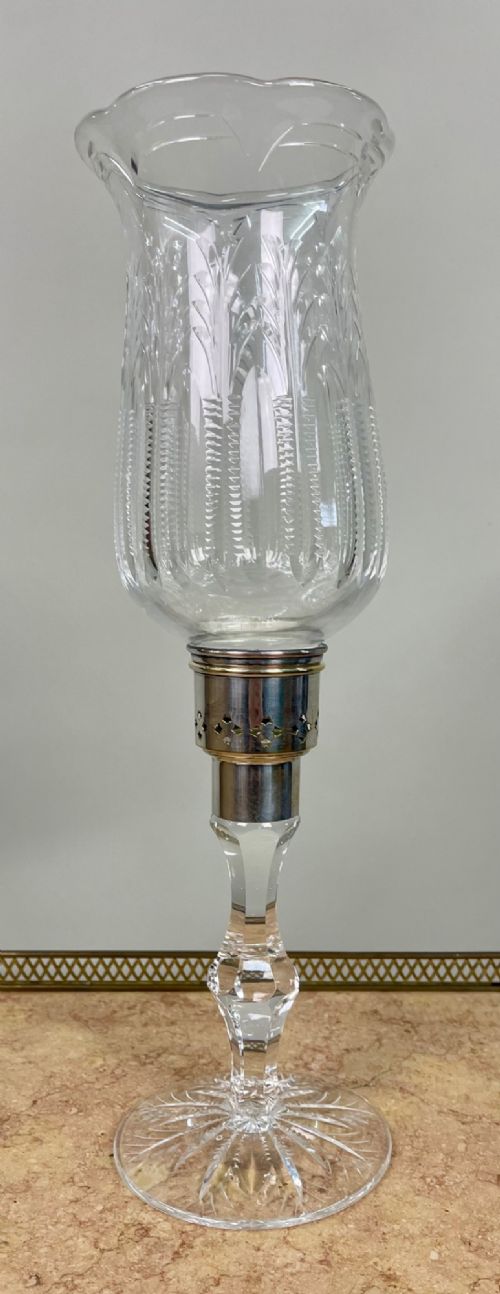
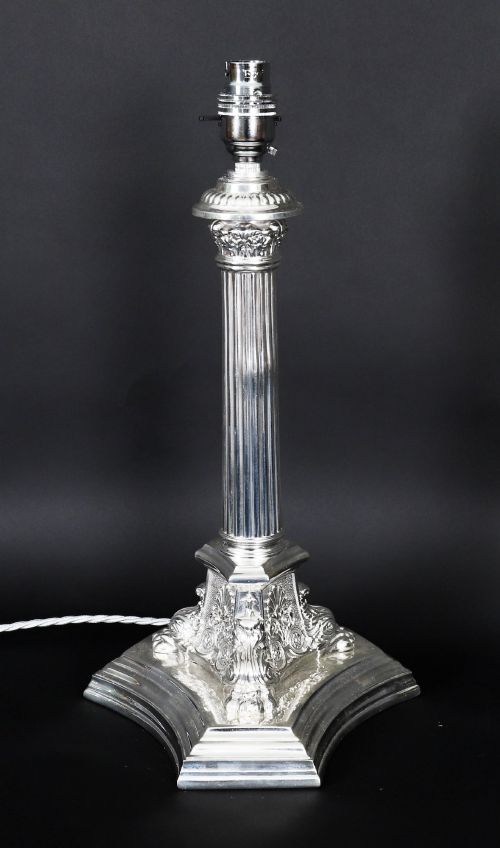
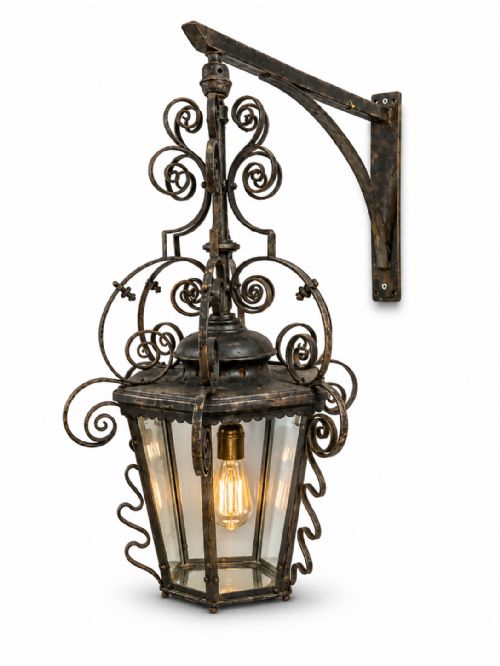
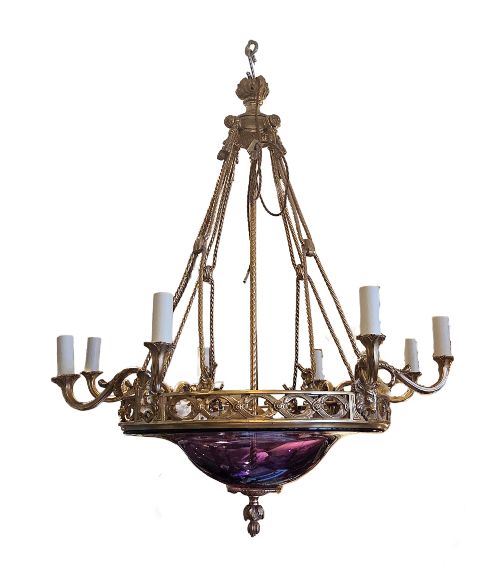
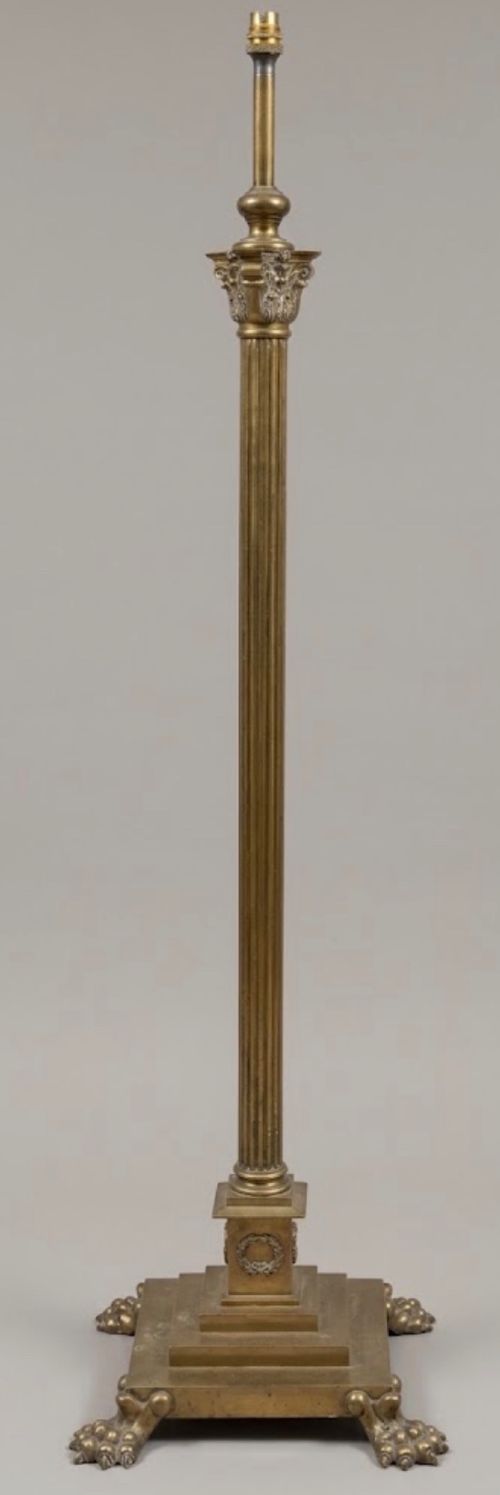
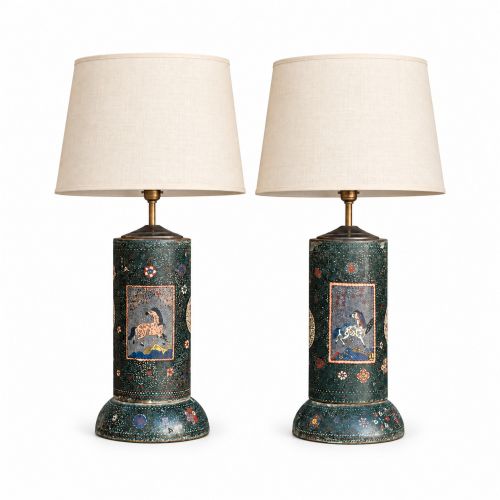
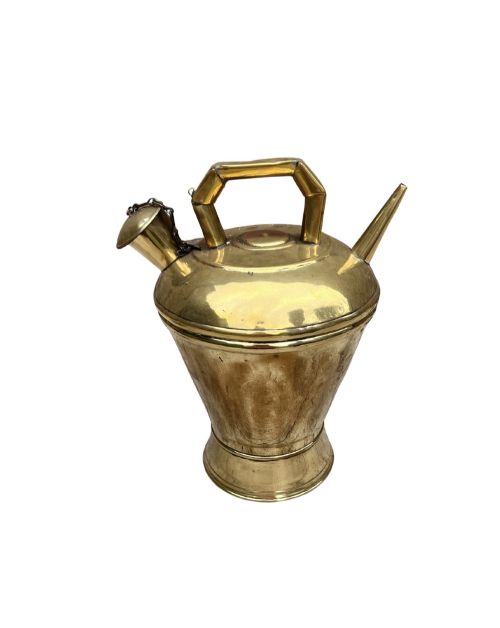
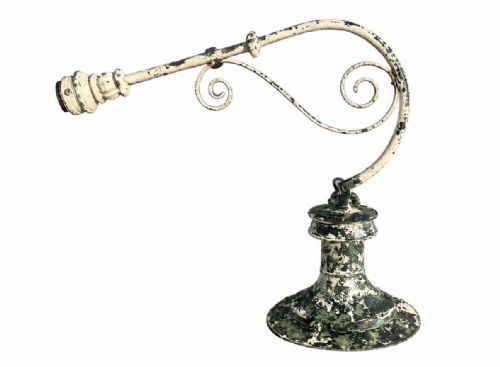
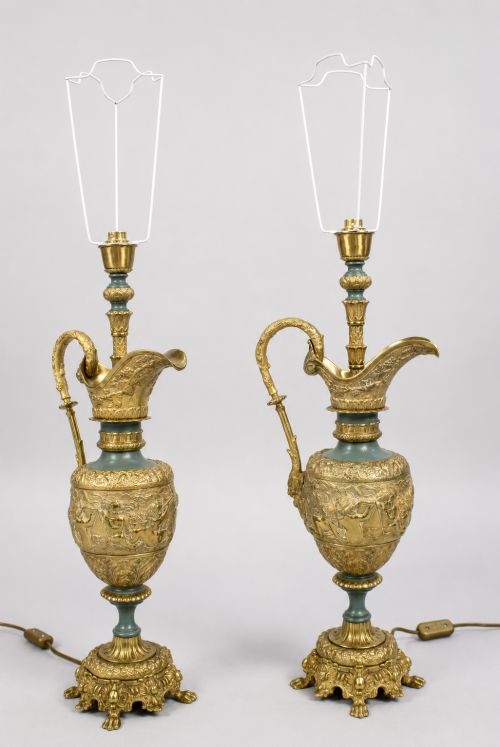
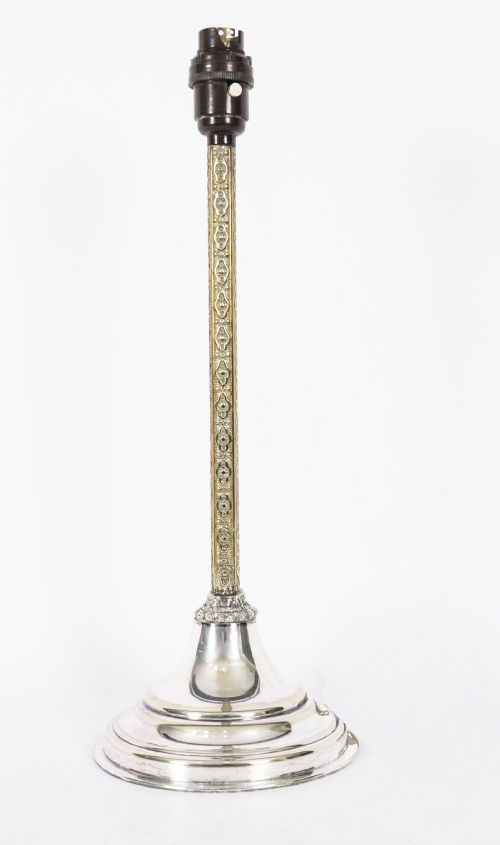
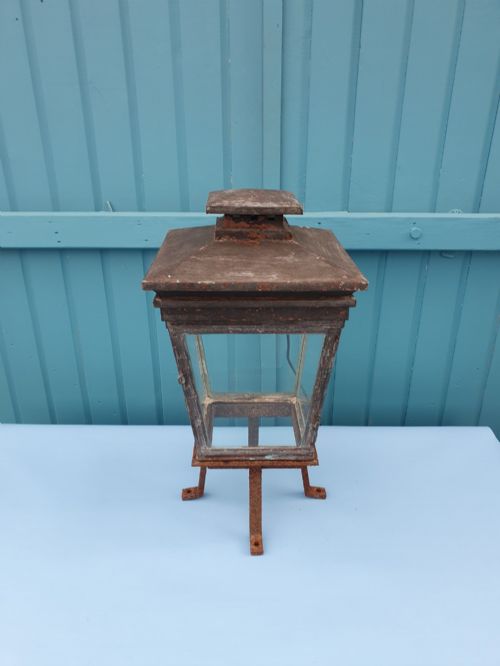
Victorian metal lamps span table lamps, floor standards, wall lights, and hanging lanterns produced across the nineteenth century and into the Edwardian era. Buyers examining this selection encounter heavy brass columns, cast bronze ewers, and wrought iron floor stands designed originally for oil or gas and often later converted for electricity.
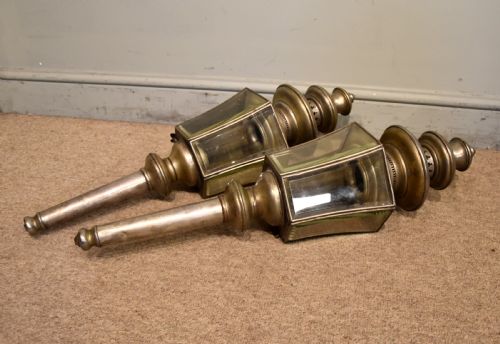
The most common examples on this page are brass table lamps and heavy standard lamps, alongside copper and brass lanterns originally intended for outdoor or coaching use. Stylistic influences range from Gothic Revival and Neoclassical designs to Arts and Crafts and Art Nouveau interpretations executed in metal.
Many pieces show utilitarian origins adapted to domestic interiors, such as reading lamps and billiard lights alongside decorative gilt bronze bases. The materials combine durability with distinct period styling suited to period interiors.
Materials and construction
Makers utilised cast and wrought metals including brass, bronze, copper, iron, and spelter to build structural stability and ornamental detail. Components were cast, spun, hammered, or pierced, creating solid standards and delicate lantern panels.
Surface finishes varied from parcel gilt and silver plating to nickel plating and patinated bronze, while glass and fabric shades frequently completed the illumination. Conversion from oil or gas to electric wiring remains common among surviving examples.
Victorian Metal Lamps Retail Price Guide 2026
Typical asking prices for victorian metal lamps among the pieces listed under this phrase on Sellingantiques today, from the lower quarter to the upper quarter. They describe what is for sale here now, not the wider market.
Travellers once read by nickel-plated portable lamps engineered to collapse neatly into compact travel cases before electricity reached the railways.
Assessing quality and manufacture
Quality in these metal fixtures rests upon the weight of the casting and the crispness of applied detail, whether in chased brass acanthus leaves or hand-wrought iron scrolls. Substantial gauge metal and secure joints distinguish heavier structural standard lamps and floor stands.
Refinement of design separates standard utilitarian lighting from exhibition pieces, such as ewers converted to lamp bases or pierced brass pendant lights displaying deliberate artistic execution. The integrity of the original metalwork dictates the overall character.
Mappin & Webb·Wild and Wessel·Veritas Lamp Works
The Victorian Metal Lamps Glossary
- Spelter
- A zinc alloy frequently used as a cheaper substitute for bronze in nineteenth-century decorative metalwork. It accepts patination well to simulate heavier metals.
- Ormolu
- Gilded bronze produced by applying a mercury and gold amalgam to a bronze base, resulting in a rich golden surface finish. It appears frequently on French table lamps.
- Ewer
- A large jug with a wide spout traditionally used for water, often adapted in later periods to serve as a decorative lamp base. These vessels display classical forms.
- Standard lamp
- A tall floor-standing lighting fixture designed to illuminate a room from standing height, typically constructed in brass, iron, or wood. Heavy metal bases provide stability.
- Candelabra
- A branched candlestick or holder designed to carry multiple tapers, often converted into electric table lamps. They display prominent cast arms.
Victorian Metal Lamps: Frequently Asked Questions
How do I wire an old metal lamp?
Rewiring requires feeding modern flex through the central channel of the standard and replacing internal lamp holders to meet current safety standards. Many original oil and gas fittings accommodate modern wiring without altering the exterior metal.
Working with a qualified electrician ensures the metal body is properly earthed, particularly on heavy brass and bronze floor standards where insulation is essential.
Can I remove tarnish from antique brass?
Light cleaning with a soft cloth removes dust, but gentle handling preserves the natural patination that develops over decades of exposure. Aggressive polishing strips the historic surface character entirely.
Leaving the aged finish intact maintains the visual depth valued by collectors of nineteenth-century metalwork.
Were all these lamps originally electric?
Almost all nineteenth-century fixtures began as oil lamps, gaslights, or candle holders before conversion to electricity in the twentieth century. Burners and reservoirs were routinely removed to house modern lamp holders.
This evolutionary history means surviving pieces often retain functional elements from their original fuel systems alongside modern wiring.
Where should I place a heavy floor lamp?
Heavy standard lamps suit corners of reception rooms or beside reading chairs where their substantial weight provides a stable light source. Wrought iron and brass floor stands anchor large seating arrangements effectively.
Their height allows them to distribute light across a room while serving as sculptural interior elements.