




Victorian Medical Chest
These victorian medical chest pieces are fitted wooden boxes and cabinets holding old bottles and instruments, prized for their intricate compartments and domestic medical history.
Victorian Medical Chest
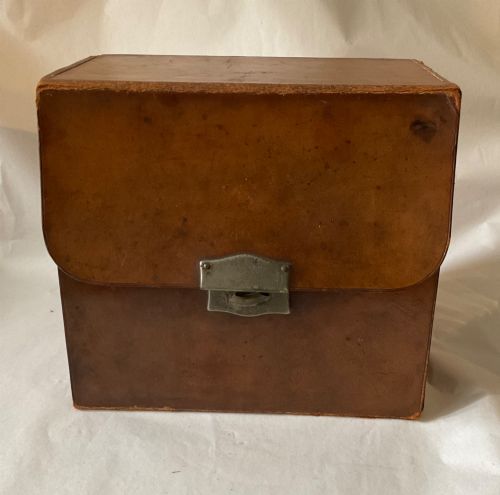
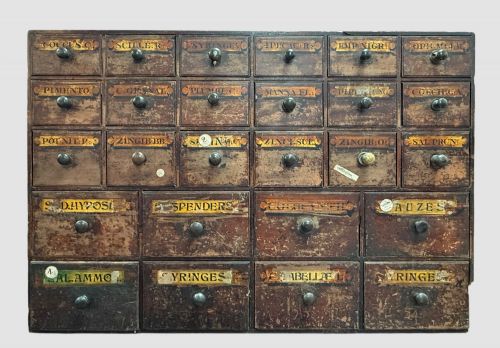
When you search for a victorian medical chest, you encounter fitted wooden boxes, banks of drawers, and small cabinets designed to hold remedies and instruments. The versions you are most likely to meet on this page include mahogany apothecary boxes, chemist storage cabinets, and specialised dentist or optician kits.
The objects span the nineteenth century, taking the form of portable leather-cased apothecary cases and larger display boxes. These pieces reflect the domestic and professional storage of medicines during the period, using traditional box-making and cabinetry forms.
How they were made
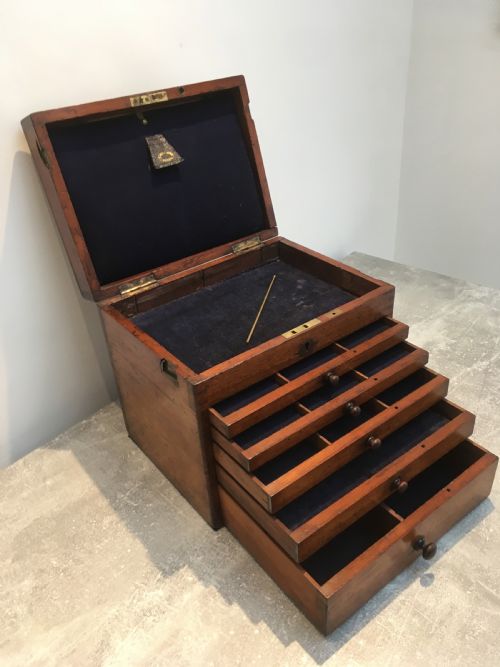
Cabinetmakers constructed these pieces primarily in mahogany and pine, often incorporating brass hardware such as carrying handles and lock escutcheons. Interiors frequently feature velvet linings to cushion glass bottles and delicate scientific instruments.
Surfaces receive a polished wood finish, and select examples display inlaid wood details or paper labels within the compartments. Metal and glass form the internal bottles, lenses, and instrument components housed inside the wooden structures.
Victorian Medical Chest Retail Price Guide 2026
Typical asking prices for victorian medical chest among the pieces listed under this phrase on Sellingantiques today, from the lower quarter to the upper quarter. They describe what is for sale here now, not the wider market.
Some optician test kits preserve the exact glass lenses once used to measure nineteenth-century eyesight.
What varies in quality
The distinction between standard storage items and superior examples lies in the complexity of the internal arrangement and the completeness of the original contents. Cabinets retaining intact glass bottles and specialised lens kits command greater interest than empty shells.
Material selection and exterior finish also separate the tiers, with burr walnut and inlaid mahogany showing higher levels of cabinetwork. The presence of specialised drawers and fitted instrument trays indicates a more ambitious original commission.
The Victorian Medical Chest Glossary
- Apothecary box
- A fitted wooden container designed to hold medical bottles, scales, and ingredients. These boxes often feature secret compartments and locking lids to secure contents.
- Chemist cabinet
- A larger storage unit or bank of drawers utilised for organising pharmaceutical supplies and remedies. They provide multiple small partitions for efficient sorting.
- Instrument case
- A specialised wooden housing built to protect delicate professional tools such as dental or optometric equipment. Interiors are custom-shaped to fit specific instruments securely.
- Burr walnut
- A figured wood veneer derived from the burl growths of walnut trees, valued for its swirling grain patterns. Cabinetmakers applied this material to decorative exterior surfaces.
Victorian Medical Chest: Frequently Asked Questions
What is a victorian medical chest used for?
These wooden containers held medicines, pills, and small surgical or diagnostic instruments for home or professional practice.
Physicians and households relied on them to store remedies securely in compartments before modern packaging existed.
How do I identify a victorian medical chest?
Look for period woods like mahogany, brass carrying handles, and internal dividers designed for small glass bottles.
Many examples feature nineteenth-century construction methods, fitted velvet sections, and specialised drawers for medical tools.
Are original glass bottles usually included?
Some pieces retain their original glass bottles and pharmacy items, while others survive as empty storage cabinets.
Survival rates vary depending on whether the box served a travelling practitioner or remained stationary in a room.
Where were these medical chests kept?
They sat in consulting rooms, pharmacies, veterinary practices, and wealthy domestic households for immediate access to remedies.
Portable leather cases travelled with practitioners, whereas larger banks of drawers stayed fixed in a single location.