



Victorian Maple Cupboard
A victorian maple cupboard brings warm, figured timber and robust nineteenth-century storage to a room.
Victorian Maple Cupboard
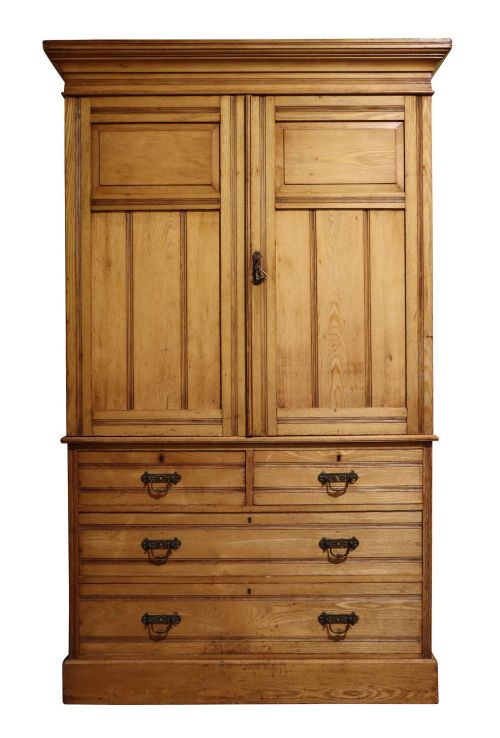
When you search for a victorian maple cupboard, you are looking at substantial storage furniture built from pale, highly figured timbers during the nineteenth century. These pieces range from compact bedside cabinets and low compactum wardrobes to expansive bookcases, armoires, and gentleman's presses.
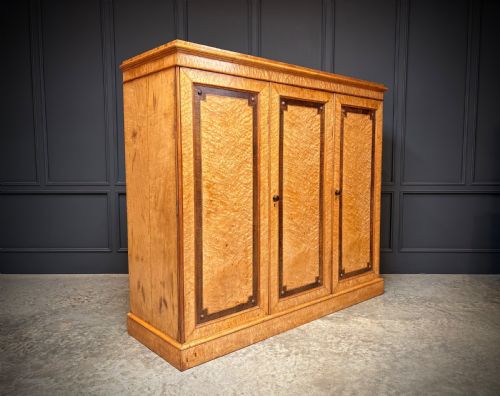
The versions you are most likely to meet on this page span the Victorian and Edwardian eras, with occasional pieces stretching back to the mid-nineteenth century or forward to nineteen hundred. Makers and workshops utilised birds-eye maple alongside ash, mahogany, and satinwood inlay to create striking grain patterns.
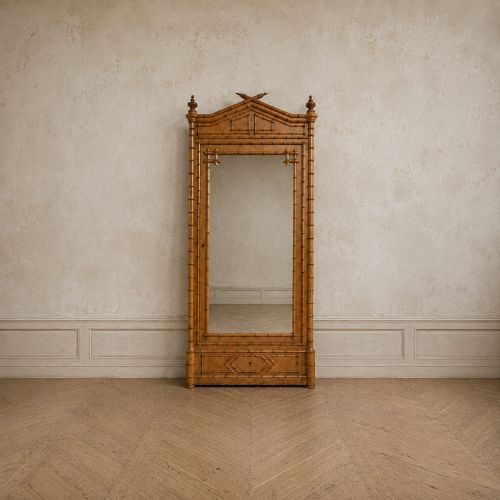
Stylistic influences vary across the selection, taking in French Aesthetic Movement designs, Adam Revival neoclassical details, and occasional Rococo Revival curves. Whether configured with mirrored doors, brass hardware, or linen press interiors, each piece reflects the practical demands of period domestic life.
How they were made
Cabinet makers selected birds-eye maple and ash for their distinctive, mottled grain patterns, often pairing them with contrasting timbers like mahogany and satinwood for inlay work. Timber selection was central to the aesthetic, relying on the natural figure of the wood rather than heavy carving.
Construction techniques involved solid timber framing alongside finely applied veneers to large surfaces like wardrobe doors and cabinet fronts. Brass fittings, glass panels, and occasional faux bamboo turning completed the structural and decorative assembly.
Victorian Maple Cupboard Retail Price Guide 2026
Typical asking prices for victorian maple cupboard among the pieces listed under this phrase on Sellingantiques today, from the lower quarter to the upper quarter. They describe what is for sale here now, not the wider market.
Listings feature pieces spanning the nineteenth century, Victorian era, and Edwardian period, constructed from birds-eye maple, ash, and mahogany.
What varies in quality
The distinction between standard production and finer pieces lies in the choice of timber figure and the precision of the cabinet work. Highly figured birds-eye maple with balanced grain matching across doors commands greater visual presence than plain timber.
Refinement of detail also separates the range, seen in the crispness of satinwood inlay, the quality of brass mounts, and the integration of secondary woods like mahogany and ash within the interior construction.
Maples and Co·Maple and Co
The Victorian Maple Cupboard Glossary
- Birds Eye Maple
- A figure in maple wood where the grain swirls in small circles around 'eyes', caused by unfavourable growing conditions. This timber was highly prized by nineteenth-century cabinet makers for decorative veneers.
- Compactum
- A large wardrobe or clothes press designed to combine hanging space, drawers, and shelving within a single unit. These pieces offered comprehensive storage for nineteenth-century gentlemen and households.
- Linen Press
- A tall piece of furniture featuring sliding trays or shelves in the upper section for storing textiles, above a base of drawers. They were essential for keeping household linens flat and organised.
- Armoire
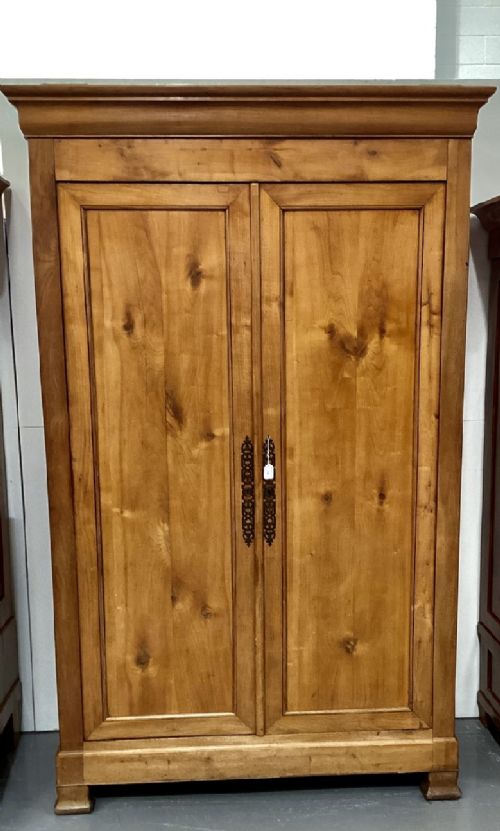
- A large freestanding cupboard with doors, used primarily for hanging garments. In nineteenth-century British and French cabinet making, these often featured mirrored doors and moulded cornices.
- Satinwood Inlay
- Decorative woodwork where contrasting strips of pale, lustrous satinwood are inserted into the primary surface. This technique added geometric or classical motifs to cabinet doors and drawer fronts.
Victorian Maple Cupboard: Frequently Asked Questions
What is a compactum wardrobe?
A compactum wardrobe is a multi-functional storage piece that combines hanging space, drawers, and shelves inside one unified structure. They were built to maximise bedroom storage during the Victorian period.
These pieces often feature central mirrored doors flanked by linen presses or hanging compartments. Their fitted interiors offer a complete solution for period attire.
How do I care for maple furniture?
Maple furniture requires a stable indoor environment away from direct sunlight and excessive heat fluctuations. Natural wax polish applied sparingly helps maintain the lustre of the timber.
Avoid using silicone-based sprays, which can damage nineteenth-century polish. Soft dusting and occasional gentle cleaning preserve the figured grain.
Where were these cupboards used?
These cabinets were primarily made for bedrooms, dressing rooms, and formal antechambers in large nineteenth-century homes. Wardrobes and gentleman's chests served private dressing quarters.
Display cabinets and sideboards were positioned in reception rooms to house books, linen, or porcelain. Their robust construction suited daily domestic service.
How do I date a piece?
Dating relies on observing construction methods, hardware, secondary woods, and stylistic motifs recorded in the piece. Victorian and Edwardian examples show shifts from heavier proportions to lighter revival styles.
Cabinet construction, dovetailing, and the presence of makers' stamps or brass labels help narrow the period of manufacture.