



Victorian Mantel Candlesticks
Victorian mantel candlesticks bring sculptural weight and warm illumination to a room, spanning brass, bronze, glass, and ceramic across the nineteenth century.
Victorian Mantel Candlesticks
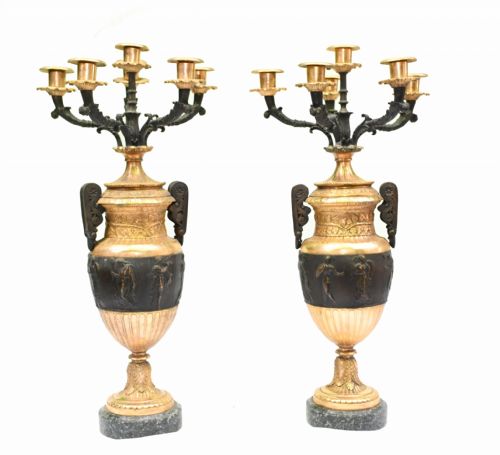
Victorian mantel candlesticks are decorative and functional lighting pieces designed to sit upon a fireplace mantelpiece, often found as matched pairs or larger garnitures. The selection here spans the nineteenth century and into the early twentieth century, incorporating related forms such as candelabras, mantel lustres, and clock garniture sets.
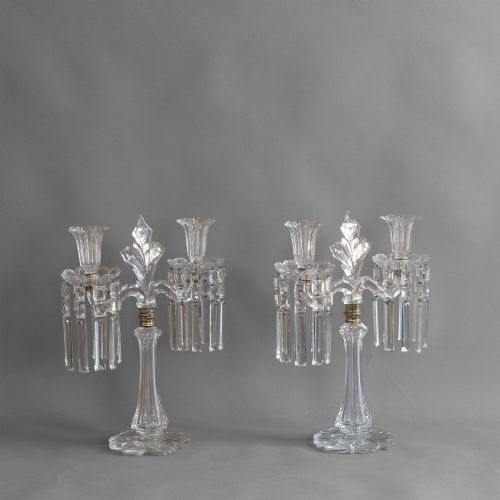
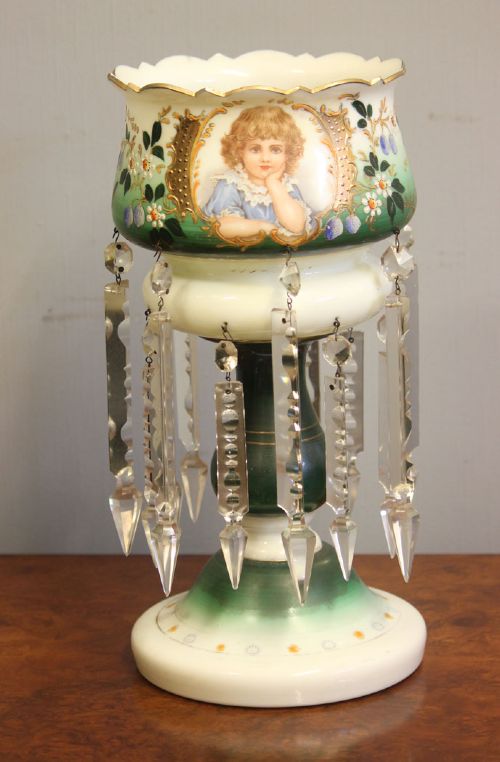
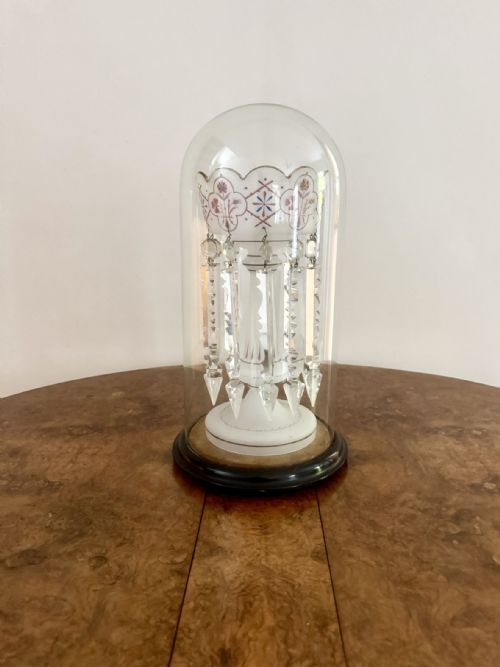
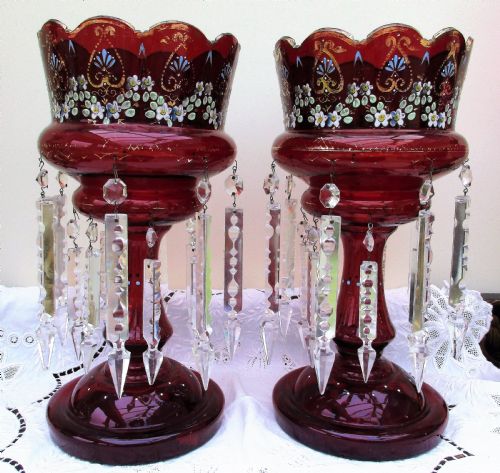
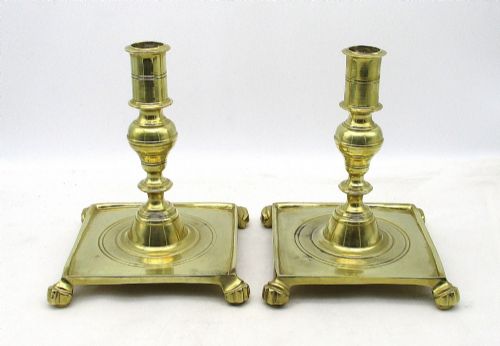
The most common iterations you will encounter are paired brass and bronze examples, alongside striking glass mantel lustres featuring crystal drops. Influences range from French Rococo Revival and Renaissance Revival to Black Forest carvings and classical designs, reflecting diverse domestic tastes of the period.
Makers and origins vary widely, encompassing English workshops, French foundries, and specific potteries like Royal Worcester and Doulton Lambeth. These objects functioned both as practical light sources in drawing rooms and as formal decorative centerpieces.
Materials and technique
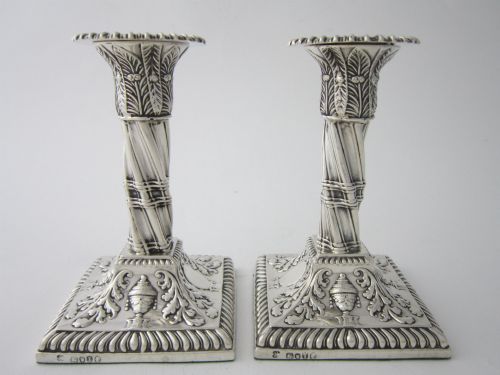
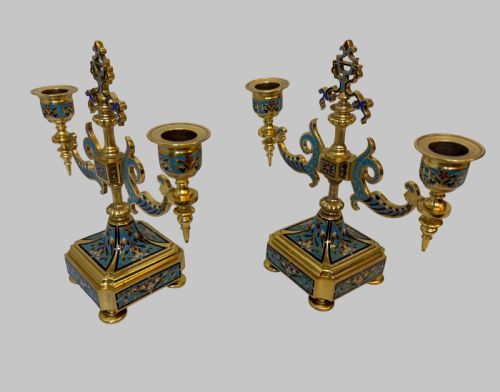
Metalwork forms the backbone of these pieces, utilising cast brass, bronze, gilt bronze, and silver plating, sometimes combined with marble bases or spelter for figurative elements. Champleve enamel, cloisonne, and applied ormolu add complex surface ornamentation to the metal frames.
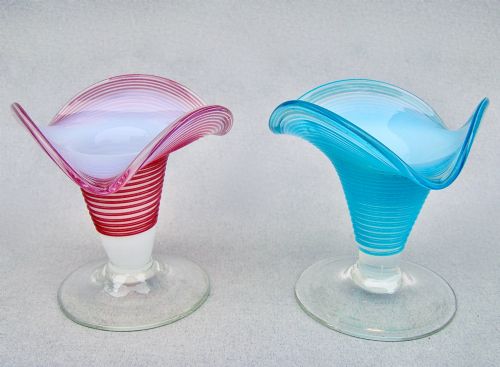
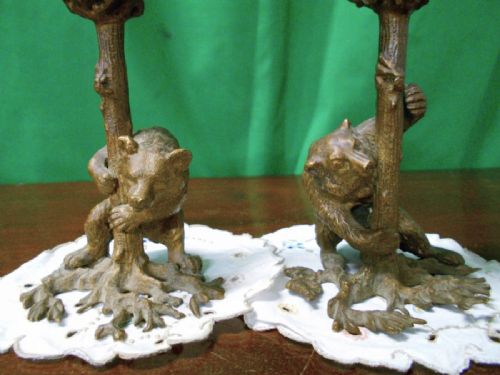
Glass production is equally prominent, featuring cut glass, mercury glass, opaline, and vibrant ruby or cranberry glass transformed into elaborate mantel lustres with hanging crystal prisms. Carved wooden examples, such as Black Forest animal sculptures, demonstrate skilled hand-detailing and joinery.
Ceramic pieces rely on glazed earthenware and terracotta bodies, seen in Hispano-Moresque and specialised pottery outputs. Construction often involves multi-part assembly, securing metal sconces and drip pans to weighted bases or columns.
Victorian Mantel Candlesticks Retail Price Guide 2026
Typical asking prices for victorian mantel candlesticks among the pieces listed under this phrase on Sellingantiques today, from the lower quarter to the upper quarter. They describe what is for sale here now, not the wider market.
Listings feature 19th-century and early 20th-century styles including French Rococo Revival, Renaissance Revival, and Black Forest carvings.
Markers of quality
Quality rests heavily on the crispness of casting and the depth of chase work in metal pieces, where sharper detailing separates superior work from softer, mass-produced alternatives. Weight and solidity are vital indicators, particularly in bronze and brass pairs that should feel substantial in the hand.
For glass and lustre pieces, the clarity of the crystal drops, the richness of the coloured ruby or cranberry glass layers, and the completeness of the hanging prisms dictate the piece's standing. In multi-media items, the tightness of fit between marble, metal, and glass elements shows the maker's original skill.
Thomas Hope·Royal Worcester Hadley·Doulton Lambeth·Finnigan Manchester
The Victorian Mantel Candlesticks Glossary
- Mantel lustre
- A decorative glass or porcelain vase hung with cut crystal glass prisms that catch and reflect candlelight. They were traditionally displayed on drawing room mantelpieces.
- Ormolu
- A metallic technique of applying finely ground high-carat gold to a bronze object. It provides a rich, durable golden finish popular in French-influenced revival styles.
- Candelabra
- A branched candlestick holding multiple lights on a single base. These often feature removable arms to convert the piece into a single candle holder.
- Spelter
- An alloy of zinc and lead cast into decorative shapes and typically painted or bronzed to imitate solid bronze. It offered a more affordable alternative for figural mantel sculptures.
- Garniture set
- A matched group of decorative objects, usually consisting of a central clock flanked by matching candlesticks or urns. They formed a unified display arrangement for the fireplace mantel.
Victorian Mantel Candlesticks: Frequently Asked Questions
What are mantel lustres?
Mantel lustres are decorative glass or ceramic vases fitted with a crown of hanging crystal prisms. They were designed to sit on a fireplace mantel and sparkle when candles were lit nearby.
Unlike standard candlesticks, their primary purpose was decorative display rather than task lighting. The hanging drops refract candlelight across the room.
Where were these pieces displayed?
These pieces were placed prominently on fireplace mantelpieces in Victorian drawing rooms and parlours. They were often paired with mantel mirrors or clock sets to complete the room's decorative scheme.
Dining tables also hosted them for evening meals before electric lighting became widespread. Their height allowed light to cast downward over gathered company.
How do I date a pair of candlesticks?
Dating relies on examining the casting techniques, material combinations, and stylistic revival motifs present in the piece. Registration marks or maker stamps on the base provide definitive manufacturing years.
Comparative study of screw threads, base weights, and wear patterns helps narrow down the decade of production. Nineteenth-century examples often show hand-finished surfaces distinct from later machine manufacturing.