

Victorian Mahogany Table Leaves
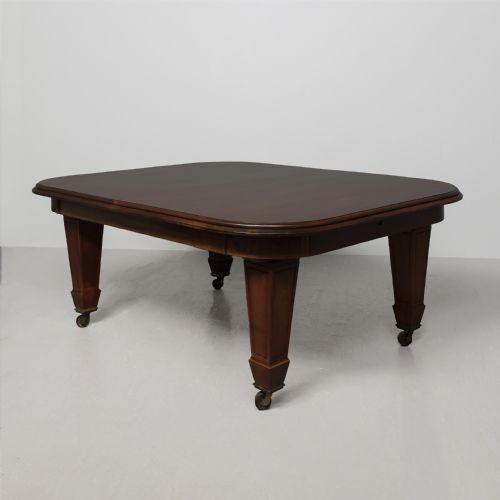
Victorian mahogany table leaves are removable timber sections designed to expand dining and occasional surfaces, prized by collectors for period timber quality and functional versatility.
Victorian Mahogany Table Leaves
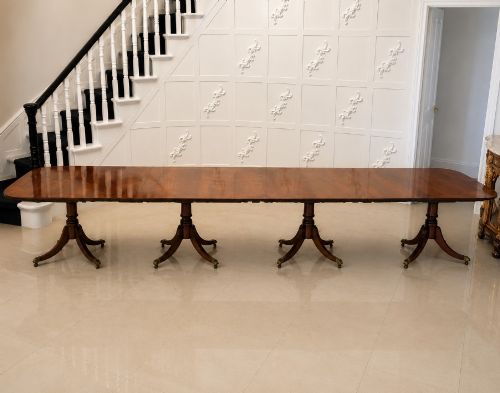
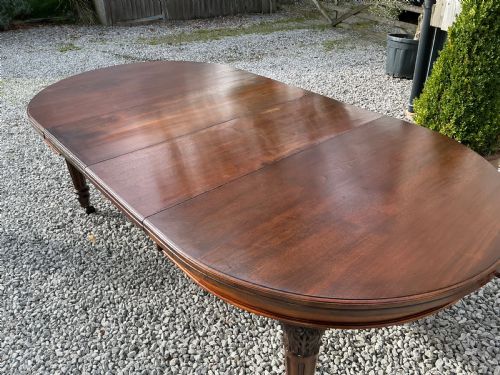
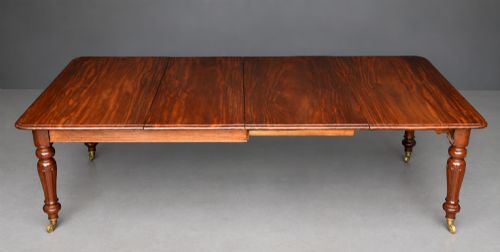
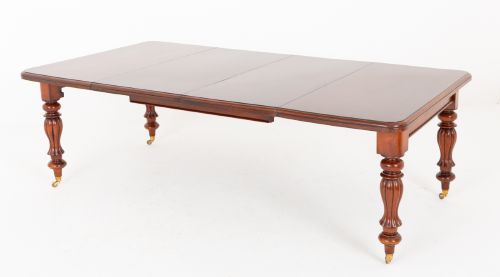
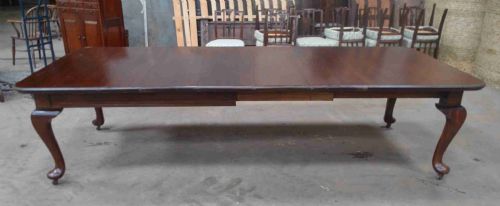
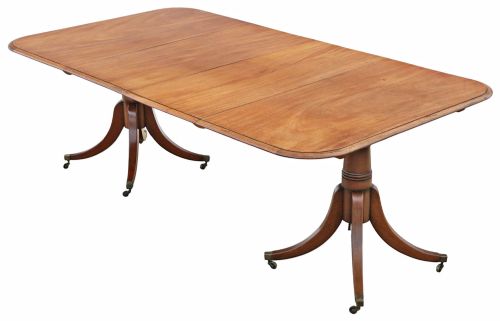
When searching for victorian mahogany table leaves, a buyer typically encounters modular timber boards intended for expanding large dining tables originating from the nineteenth century. These additions allow a dining surface to scale from intimate settings to expansive arrangements seating ten, fourteen, or more guests.
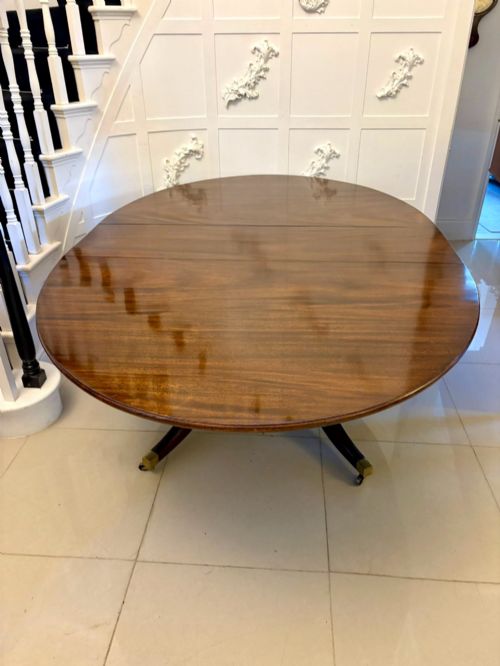
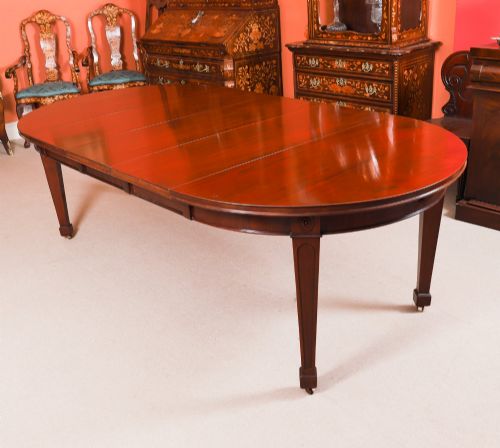
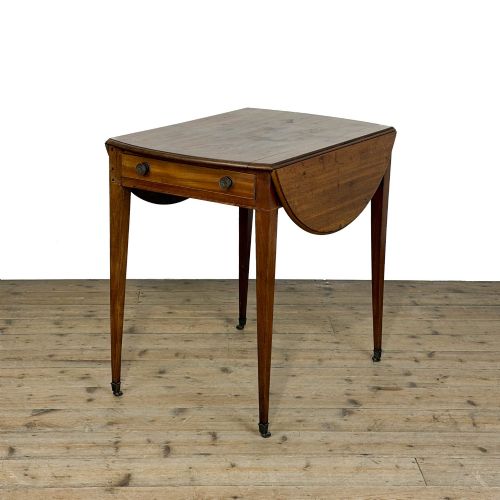
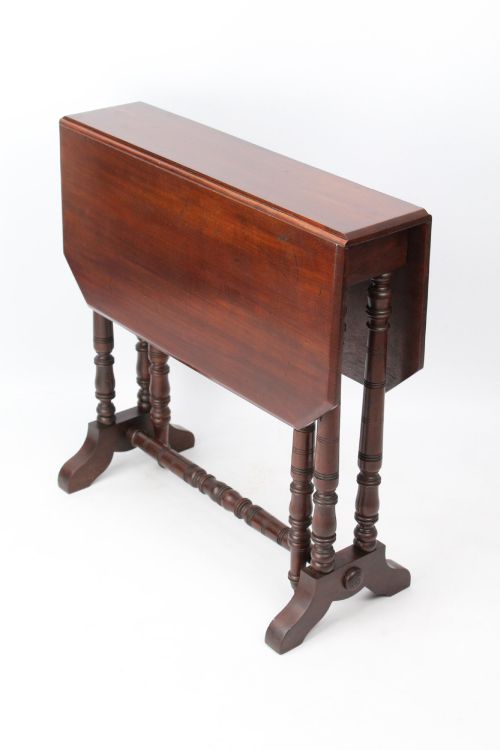
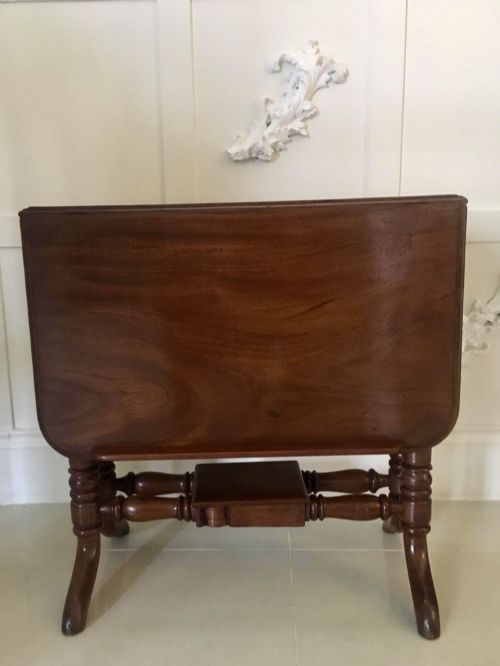
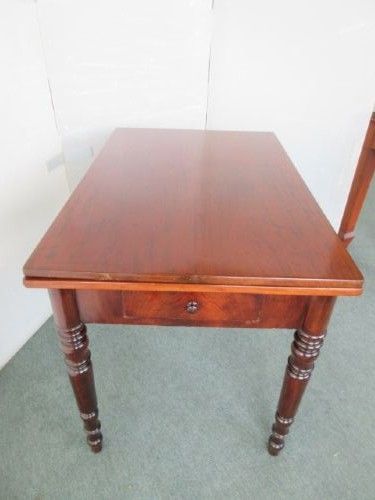
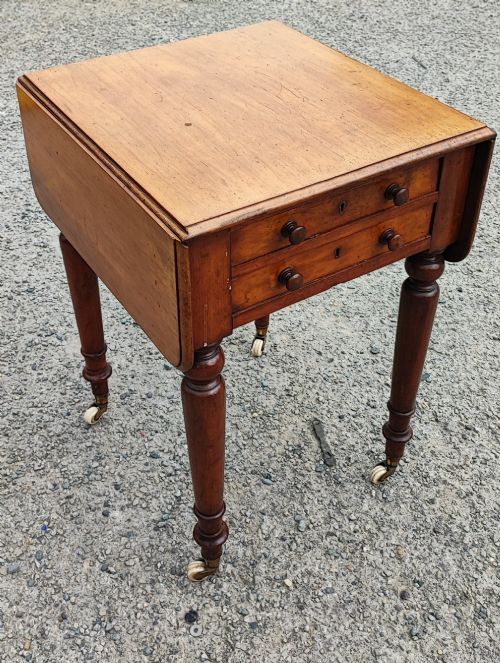
The most common versions met on this page belong to extending dining tables driven by mechanical wind-out systems or drop-leaf mechanisms. Alongside full dining boards, the selection incorporates occasional pieces, work tables, and Pembroke variants containing drop leaves.
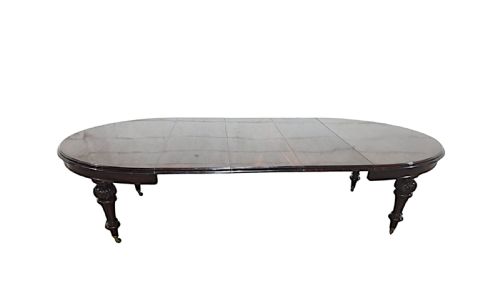
Origins span standard English cabinetmaking workshops alongside regional variations, including Irish D-end constructions. Pieces range from modest two-leaf formats up to substantial country house editions boasting five or six extra leaves.
How they were made
Makers utilised dense timber stocks, predominantly solid mahogany and figured flame mahogany, sometimes enhanced with secondary woods such as satinwood or burr walnut for inlay details. Brass fittings, including castor wheels, clips, and winding mechanisms, provided essential structural support for heavy extending frames.
Construction relied on precise cabinetmaking techniques such as wind-out screw actions, draw-leaf slides, and hinged drop flaps. Surfaces received polished finishes that highlighted the deep grain patterns inherent to nineteenth-century mahogany.
Some grand country house tables require up to six separate leaves to accommodate twenty diners.
What varies in quality
The upper tier of the range is distinguished by exceptional timber selection, such as highly figured flame mahogany with a rich, uniform polish across both the main top and every matching extra leaf. Superior examples exhibit intricate hand-carved details, including claw and ball feet, fluted legs, or gadrooned edges executed by skilled hands.
Poorer quality is marked by mismatched timber grain between the original table top and subsequent leaves, or clumsy mechanical alterations that impede smooth extension. Consistency in colour, age-appropriate patina, and the structural integrity of the internal runners separate standard utility pieces from fine cabinetwork.
William and Gibton·Maple and Co
The Victorian Mahogany Table Leaves Glossary
- Wind out
- A mechanical extension system operated by a crank handle that separates the table halves to receive additional leaves. This mechanism became standard in nineteenth-century dining furniture.
- Flame mahogany
- A highly decorative veneer figure resembling flickering flames, sliced from the point where branches join the main tree trunk. Cabinetmakers utilised this timber on prominent surfaces for dramatic visual effect.
- Pembroke table
- A small occasional or breakfast table featuring two hinged drop leaves on opposing sides. It often includes one or more small drawers.
- Drop leaf
- A hinged flap attached to a fixed table top that can be raised and supported by swinging brackets or legs. This design allowed furniture to save space when not in extended use.
- D-end
- A dining table configuration featuring semicircular ends when closed, often separating into console tables. These frequently accept multiple extra leaves down the centre.
Victorian Mahogany Table Leaves: Frequently Asked Questions
How do I match extra leaves to a table?
Examine the grain pattern, timber colour, and thickness of the boards alongside the edge moulding profiles. Original leaves typically share the exact same botanical figuring and ageing characteristics as the main top.
Check the alignment pins and pockets on the table skirts to ensure the joining sequence matches correctly. Variations in width or timber species indicate replacement leaves made at a later date.
How were nineteenth-century extending tables operated?
Most large dining tables utilise a internal metal screw mechanism activated by a removable crank handle inserted into the side skirt. Turning the handle drives the wooden runners apart smoothly to create the exact gap required for the loose leaves.
Simpler formats rely on manual pull-out frames or drop flaps that require physical repositioning. Once opened, brass clips underneath often secure the leaves tightly together.
How should I care for mahogany leaves?
Keep spare leaves in a stable environment with moderate humidity and consistent temperature to prevent the timber from warping or splitting. Storing them upright in padded racks reduces the risk of surface scratching.
Apply a traditional beeswax polish periodically and avoid placing damp items directly onto the polished wood. Protect the surface from direct sunlight to preserve the rich red-brown colour of the mahogany.
What defines a Pembroke table?
A Pembroke table is a compact design characterised by two hinged drop leaves that fold down at the sides. These pieces were historically used for light work, writing, or informal breakfast dining.
They usually incorporate a small drawer beneath the top and stand on four slender legs, sometimes fitted with castors for easy mobility around a room.