

Victorian Lounge
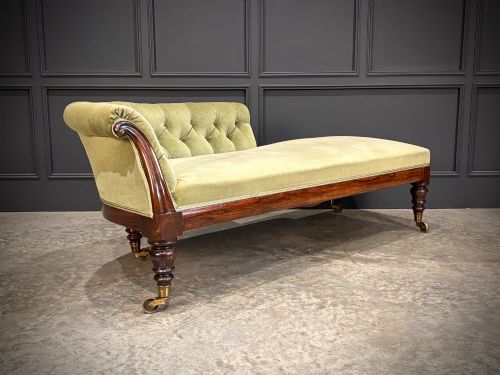
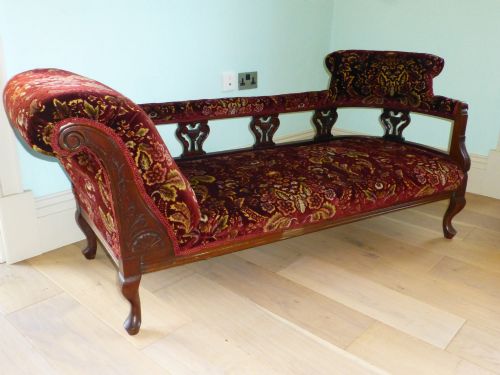
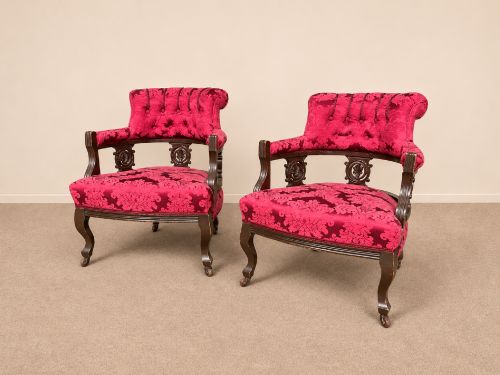
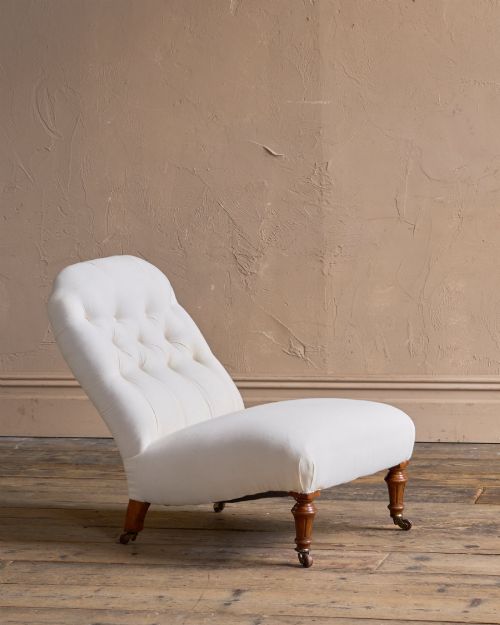
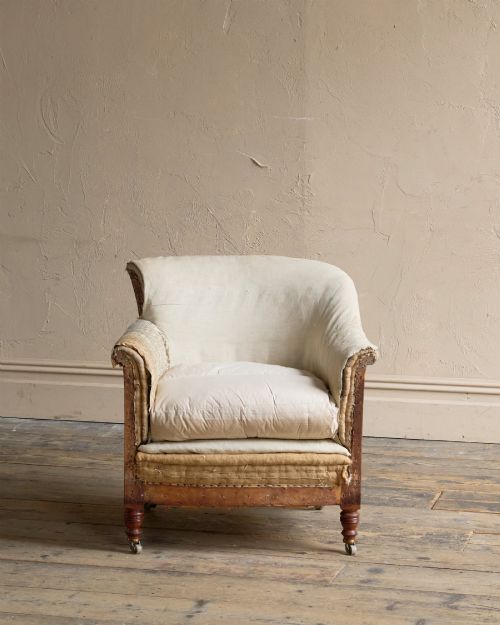
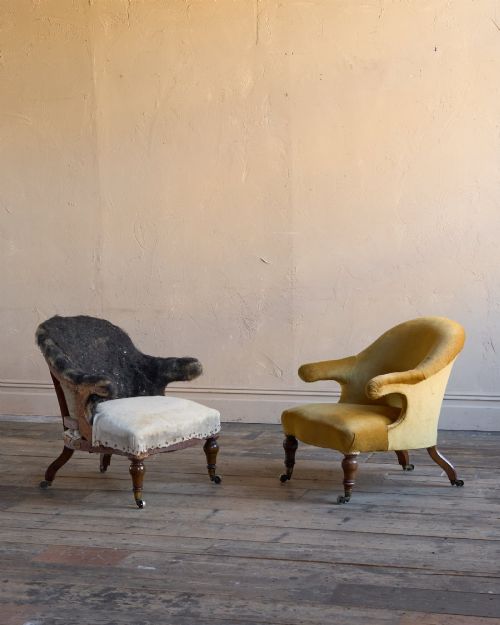
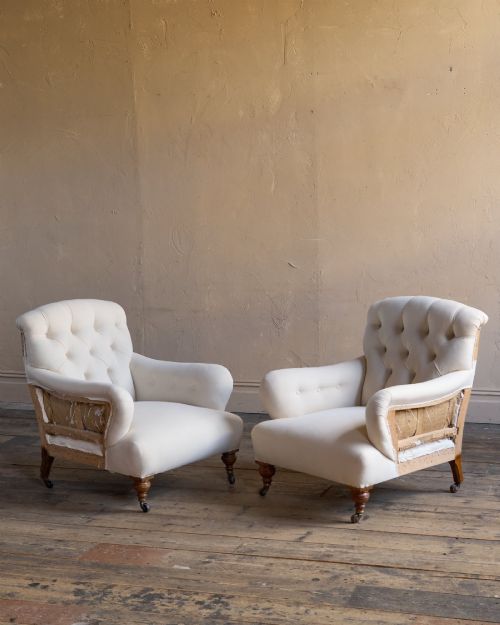
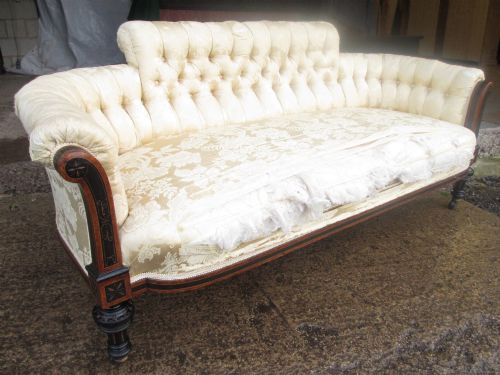
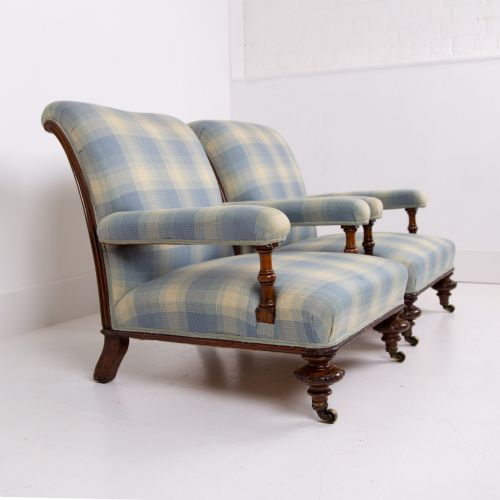
A victorian lounge setting gathers upholstered armchairs, chaise longues and sofas shaped for seated comfort.
Victorian Lounge
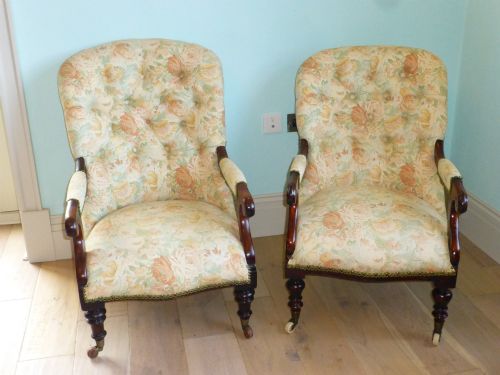
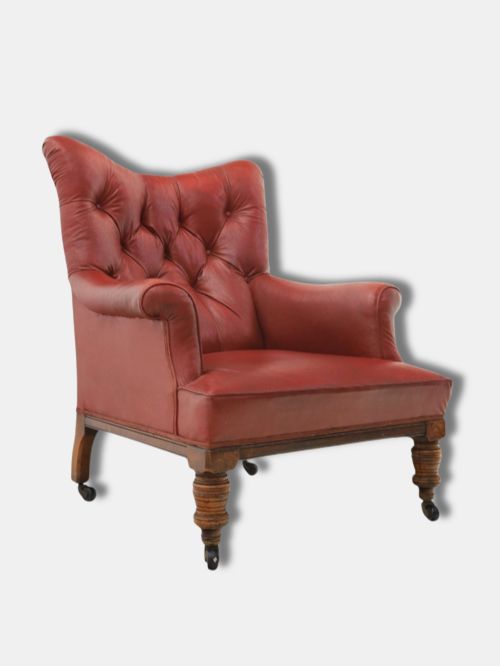
A victorian lounge encompasses seating pieces designed for domestic relaxation during the nineteenth century, including armchairs, chaise longues, daybeds and sofas. Buyers searching for a victorian lounge frequently encounter button back armchairs, spoon back chairs and low daybeds intended for reclining.
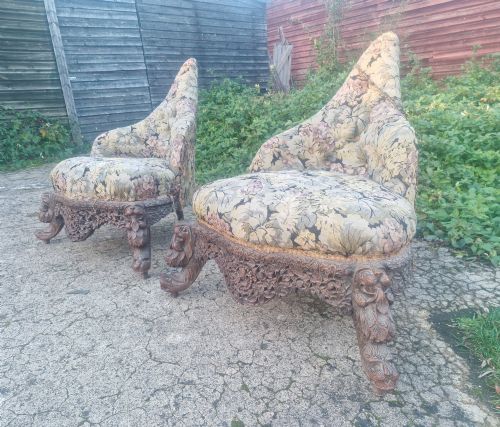
The objects span periods from the mid-nineteenth century through to the early twentieth century, taking in Victorian, Regency and Napoleon III styles. English country house and colonial campaign influences also appear across the selection.
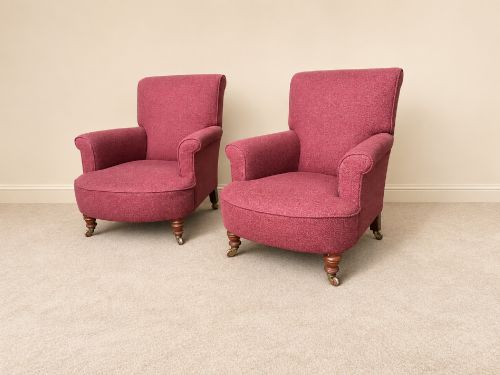
Forms range from gentleman's armchairs and tub chairs to double ended sofas and overmantel mirrors that complete the room. Walnut, mahogany and rosewood frame these pieces, dressed in velvet, fabric, calico and tapestry.
Materials and construction
Frames rely upon hardwoods such as mahogany, walnut, oak and rosewood, carved or turned to support the upholstered structures. Brass castors, ormolu mounts and inlaid panels add detail to the timber carcasses.
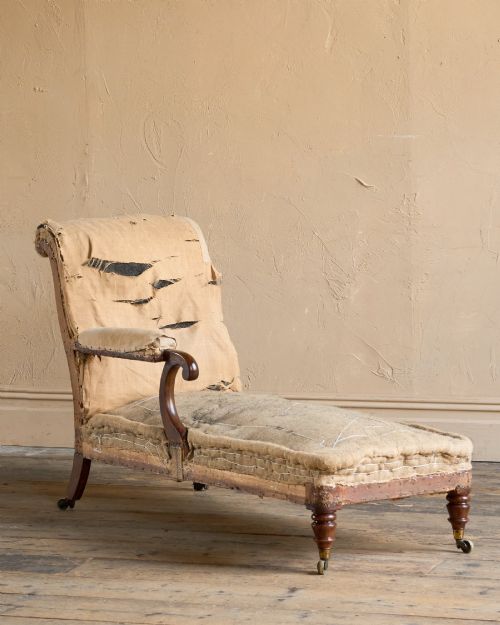
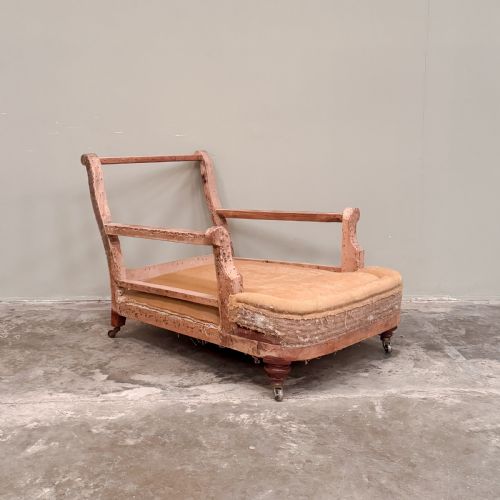
Upholstery techniques employ sprung settee bases, deep pile brocade, calico, velvet and floral fabric secured with buttoning. Hand-stitched finishes and webbed foundations support the deep cushioning seen on armchairs and chaise longues.
Victorian Lounge Retail Price Guide 2026
Typical asking prices for victorian lounge among the pieces listed under this phrase on Sellingantiques today, from the lower quarter to the upper quarter. They describe what is for sale here now, not the wider market.
Materials span brass, mahogany, fabric, velvet, wood, walnut, hardwood and calico.
Distinctions in quality
Quality rests upon the proportion of the timber frame, the crispness of carved woodwork and the integrity of the joinery beneath the upholstery. Maker attribution to workshops such as Howard and Sons, Gillows or Strahan and Co elevates a piece.
The refinement of the silhouette, from scroll backs to carved mahogany rails, dictates the character of the seating. Retained original upholstery details and branded stamps distinguish standard production from superior examples.
Strahan and Co·Howard and Sons·George Jack·Morris and Co·Gillows
The Victorian Lounge Glossary
- Chaise Longue
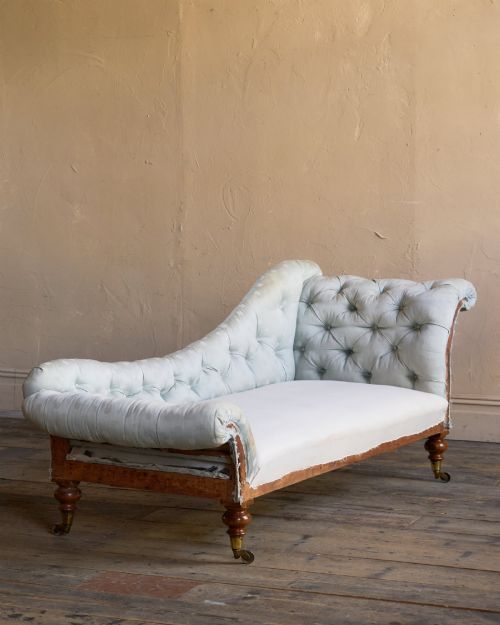
- An upholstered long chair designed for reclining, combining a chair seat with an extended footrest. These pieces often feature a single scrolled end and carved mahogany or walnut framing.
- Button Back
- An upholstery method where buttons are pulled deep into the padding to create a diamond pattern. This technique secures the stuffing and provides structured support.
- Bergere
- An enclosed armchair with stuffed upholstery on a wooden frame, typically featuring exposed timber rails. The style originates in France and appears in nineteenth century rooms.
- Overmantel Mirror
- A large mirror designed to hang directly above a fireplace mantelpiece. They reflect light and complete the decorative scheme of a nineteenth century room.
- Ormolu
- Gilt-bronze mounts applied to furniture for decorative effect. The technique involves treating brass or bronze with a gold amalgam.
Victorian Lounge: Frequently Asked Questions
How do I identify a Victorian armchair?
Look for turned timber legs, sprung upholstery bases and curved wooden frames in mahogany or walnut. Details like button back padding and scroll arms point directly to nineteenth century production.
Check for maker stamps on the castors or wooden frame where possible. The proportions tend to be lower and deeper than earlier chairs, built specifically for relaxed seating.
Where were these pieces placed in a home?
Armchairs and sofas sat in drawing rooms, libraries and country house parlours for entertaining and reading. Chaise longues and daybeds belonged in bedrooms, boudoirs or private dressing rooms.
Overmantel mirrors hung permanently above the principal hearth in reception rooms. Together they formed the cohesive seating arrangements of a nineteenth century interior.
How should I care for antique upholstery and wood?
Keep wooden frames nourished with appropriate furniture wax and avoid placing pieces in direct sunlight to protect delicate fabrics like velvet and brocade. Regular gentle dusting preserves the pile of tapestry and upholstered surfaces.
Inspect internal webbing and springs periodically if the piece is in daily use. Professional conservation ensures the structural integrity remains undisturbed.