






Victorian Kitchen Base
A victorian kitchen base provides a sturdy surface and generous storage, bringing authentic utility and history into a modern home.
Victorian Kitchen Base
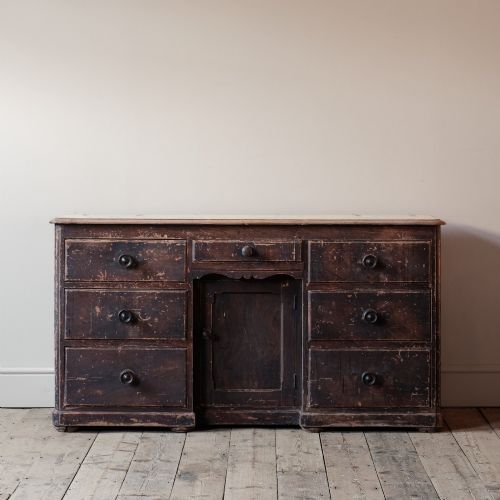
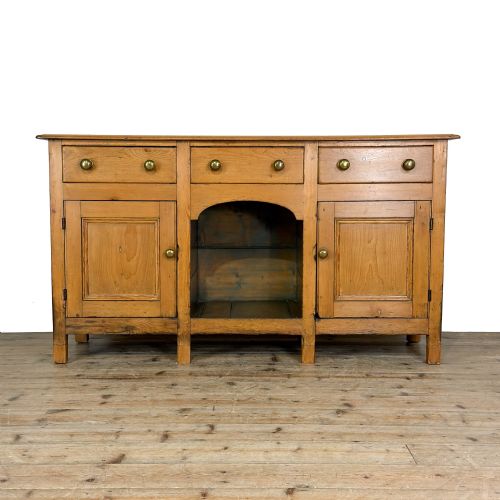
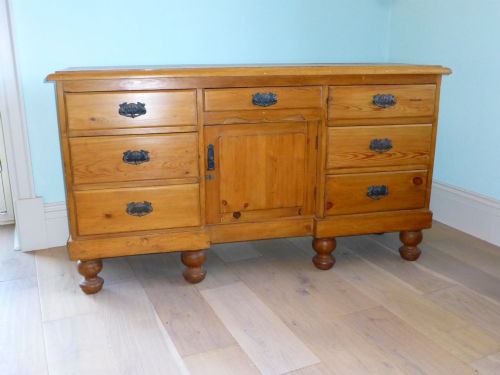
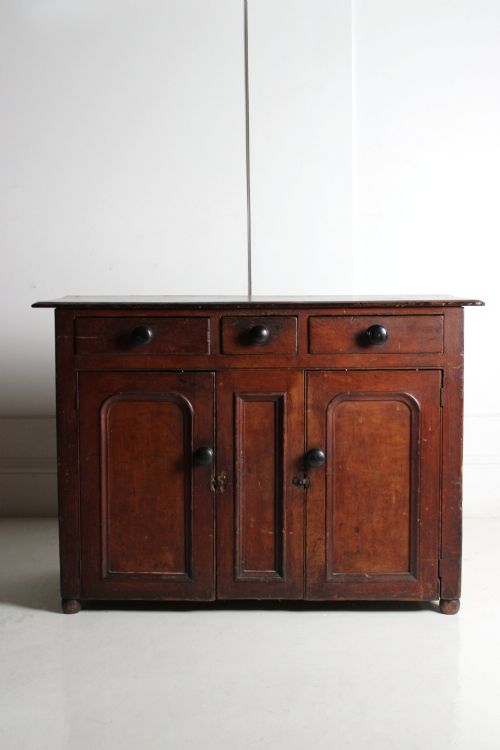
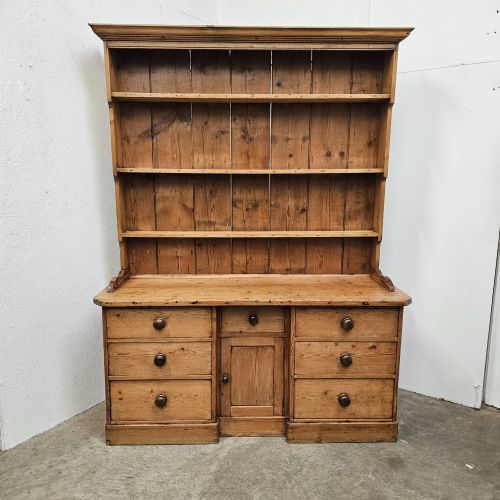
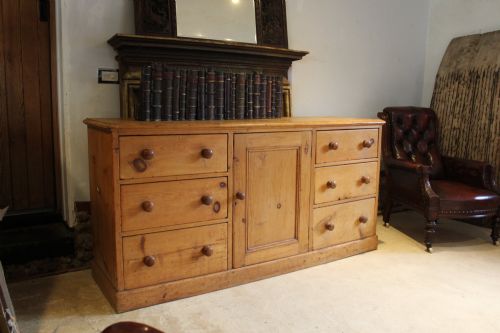
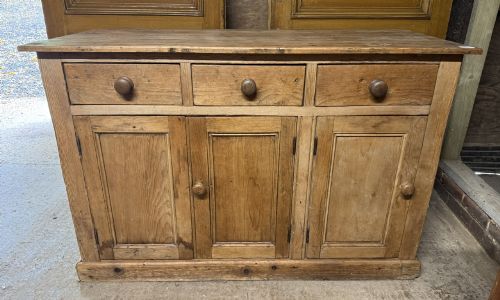
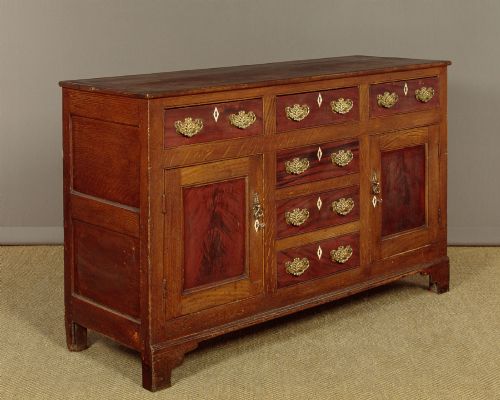
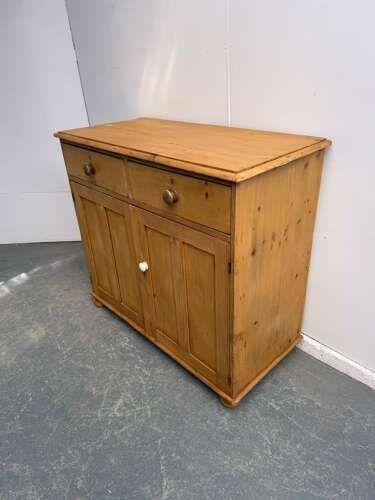
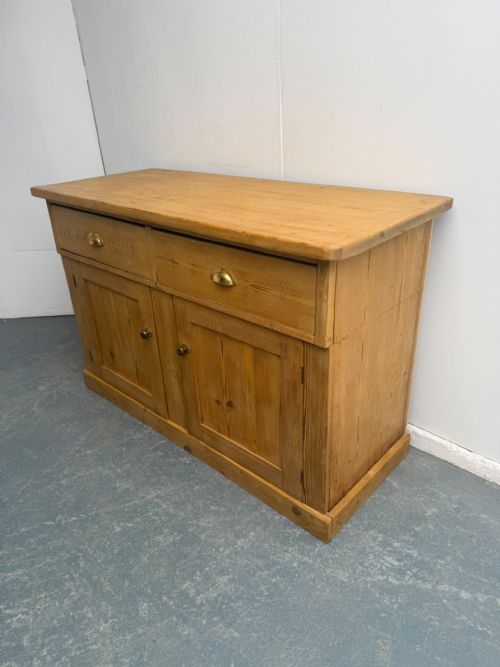
A victorian kitchen base typically takes the form of a low storage cabinet, dresser base, or sideboard designed for heavy daily use in domestic service. These pieces usually feature a combination of drawers and panelled doors beneath a robust wooden work surface.
The most common examples encountered here are pine dresser bases, often fitted with two doors and two drawers, sometimes retaining their original painted finishes or prepared in a waxed timber state.
Origins stretch across English, Welsh, Scottish, and continental European workshops, reflecting varied regional domestic traditions within the broader nineteenth century aesthetic.
Materials and Construction
Construction relies heavily on solid pine, alongside occasional uses of oak, ash, walnut, and elm for structural resilience and contrasting surfaces. Secondary elements incorporate brass hardware and iron fittings to secure heavy doors and drawers.
Surfaces display distinct finishes ranging from hand-applied historical paint layers to waxed pine that accentuates the natural grain. Cabinetmakers utilised robust dovetail joints for drawers and sturdy peg or screw construction to ensure longevity.
Victorian Kitchen Base Retail Price Guide 2026
Typical asking prices for victorian kitchen base among the pieces listed under this phrase on Sellingantiques today, from the lower quarter to the upper quarter. They describe what is for sale here now, not the wider market.
Look closely for hidden bread slides inside the cabinetry, designed long ago for cooling fresh loaves straight from the domestic oven.
Judging Quality and Character
Quality rests in the integrity of the original timber and the retention of authentic surface finishes, whether untouched old paint or deep historical wax patination. Pieces that maintain their original hardware, handles, and structural stability command greater appreciation.
Proportions also dictate distinction, separating standard utility pieces from monumental country house examples or those featuring specialised additions such as pot shelves, bread slides, or floral carvings.
The Victorian Kitchen Base Glossary
- Dresser base
- The lower section of a kitchen dresser, comprising a cabinet with drawers above cupboards, functioning independently as a sideboard.
- Bread slide
- A pull-out wooden tray integrated into the cabinetry, historically used for cooling or storing baked goods.
- Pot shelf
- An open lower tier fitted between the legs of a dresser base, designed for storing heavy cookware and pots.
- Waxed finish
- A treatment applied to bare wood using natural waxes to protect the surface while developing a deep, warm sheen over time.
- Original paint
- Pigment applied during the period of manufacture that remains undisturbed by modern stripping or repainting.
Victorian Kitchen Base: Frequently Asked Questions
What is a victorian kitchen base?
A victorian kitchen base is a heavy-duty storage cabinet or dresser lower section built during the nineteenth century for food preparation and household storage.
These utilitarian pieces typically combine drawers and lower cupboards beneath a thick wooden top, serving as the main workspace in traditional kitchens.
How were these bases used?
They functioned as the primary workstation for domestic tasks, holding dry goods, heavy cookware, utensils, and linens.
The sturdy top surface provided a stable area for kneading dough, preparing ingredients, and organising daily kitchen operations.
How do I care for waxed pine?
Waxed pine requires gentle maintenance using natural beeswax and a soft cloth to nourish the wood and preserve its protective layer.
Avoid placing hot items directly onto the surface and wipe away moisture promptly to prevent water marks on the antique timber.
Can I paint a waxed base?
Many pieces are sold specifically prepared for waxing or painting, allowing buyers to adapt the finish to their interior decor.
Proper preparation involves removing existing wax residues and applying a suitable primer to ensure the new paint adheres securely to the pine.