



Victorian Keepsake Pendant
A victorian keepsake pendant holds a small photograph or strand of hair close to the heart, combining sentiment with intricate metalwork.
Victorian Keepsake Pendant
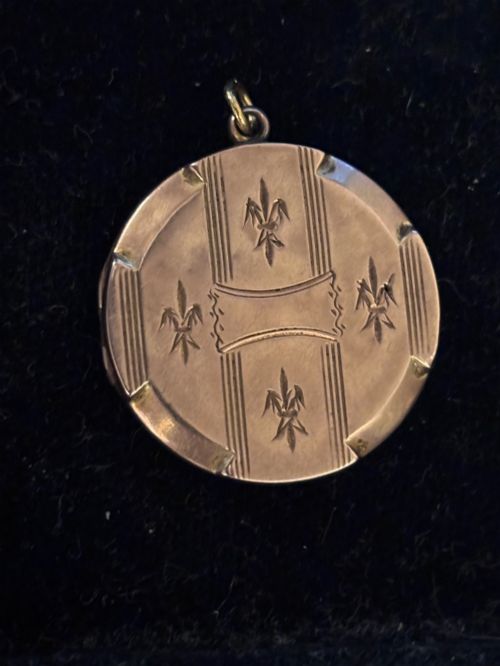
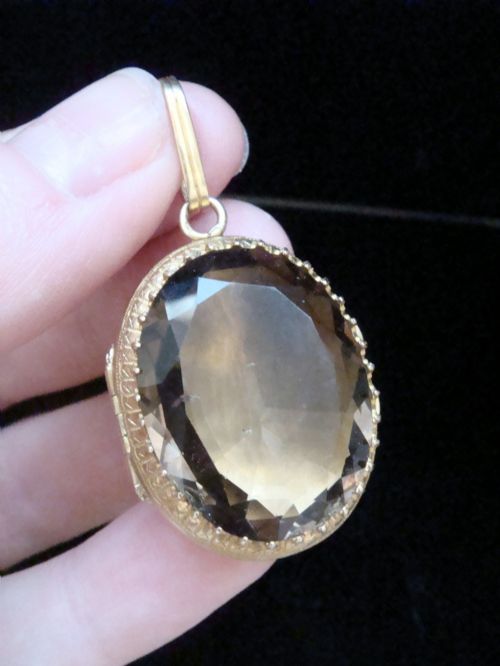
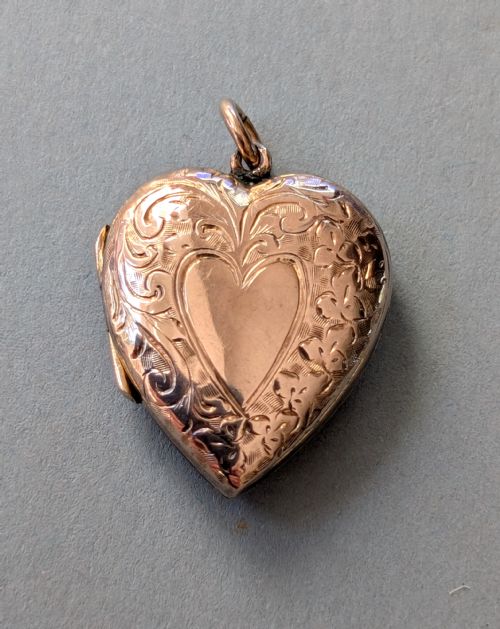
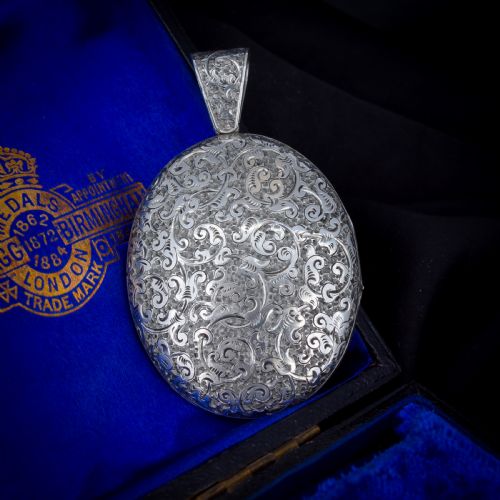
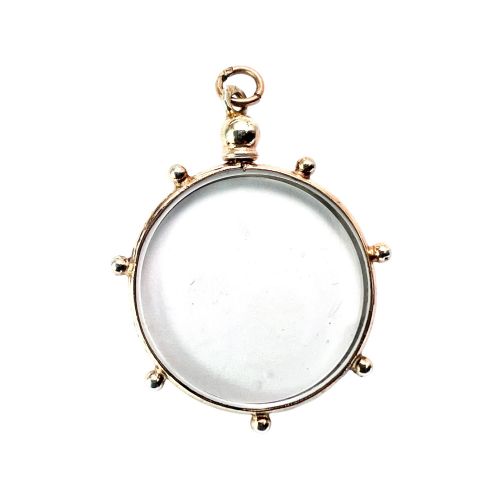
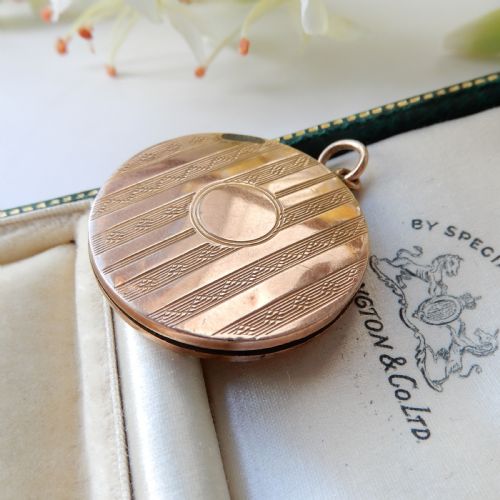
A victorian keepsake pendant primarily takes the form of a hinged locket designed to hold miniature portraits, photographs, or woven hair. These pieces span periods from the Georgian era through the Edwardian years, with the Victorian period providing the most numerous examples.
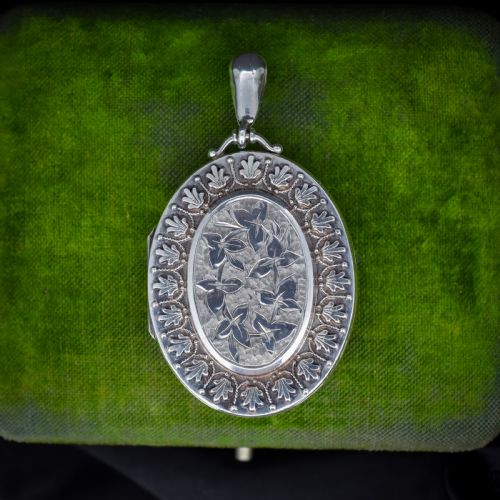
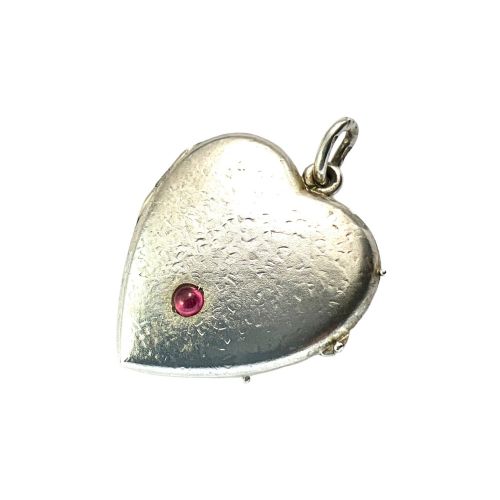
The objects appear in circular, oval, and heart shapes, functioning as pendants, necklaces, and watch fob pendants. Engraved motifs such as ivy, swallows, flower baskets, and forget-me-nots frequently decorate the outer cases.
Materials and construction
Goldsmiths utilised varying purities of yellow and rose gold, alongside sterling silver and gold back and front constructions, to form the hinged shells. Faceted glass covers often appear on pieces designed to display portraits or hair work directly beneath the surface.
Ornate surface decoration relies on hand engraving, engine-turned detailing, and the secure setting of pearls, diamonds, turquoise, sapphires, rubies, garnet, and citrine stones.
Listings feature yellow and rose gold, sterling silver, and glass components spanning the Victorian, Edwardian, and Georgian periods.
The markers of distinction
Quality rests upon the depth and clarity of the hand engraving and the precision of the engine-turned patterns etched into the metal. Finer examples display crisp botanical motifs, such as swallows and ivy, executed with deliberate artistic control.
The selection and setting of gemstones, including pearls, diamonds, and turquoise, dictate the upper tier of these pieces. Solid high-carat gold and substantial silver weights distinguish sturdier constructions from simpler gold back and front alternatives.
B & F
The Victorian Keepsake Pendant Glossary
- Locket pendant
- A hollow hinged piece of jewellery designed to open and enclose a portrait, photograph, or hair memento. These items hang from chains or ribbons around the neck.
- Engine-turned
- A mechanical method of ornamenting metal surfaces with precise, intricate geometric patterns using a lathe. This technique creates uniform textured backgrounds on gold and silver cases.
- Mourning locket
- A piece created to commemorate a deceased person, frequently incorporating woven human hair behind glass panels. These objects served as intimate memorials during the nineteenth century.
- Gold back and front
- A manufacturing method where thin sheets of gold cover a base metal core for the exterior surfaces. This technique provided the appearance of solid gold at a lighter weight.
- Old cut diamond
- A precursor to the modern brilliant cut diamond, featuring a smaller table and larger facets shaped by hand. These stones display a softer, candlelit sparkle in antique settings.
Victorian Keepsake Pendant: Frequently Asked Questions
What goes inside a keepsake pendant?
These pieces traditionally house small paper photographs, painted miniatures, or intricate arrangements of human hair. The internal compartments protect these personal mementos behind hinged metal covers or glass panels.
Owners often select portraits of family members or locks of hair from loved ones to keep near the heart. The internal frames secure these delicate items safely within the metal casing.
How do I open a locket pendant?
Most hinged examples feature a small thumbnail notch or side release near the edge of the case. Gentle pressure allows the spring-loaded or friction-fit covers to separate.
Care is required when handling older items to avoid straining the original hinges. Prying with sharp metal tools can damage the delicate gold or silver rims.
Can I wear a locket on a chain?
These items suspend easily from matching silver or gold chains using integrated loops or bails. Many original pieces arrive with contemporary or period chains suited for daily wear.
Checking the security of the suspension loop ensures the piece remains safe during movement. Selecting a chain that matches the metal colour and weight preserves the visual balance of the jewellery.
How do I date a Victorian locket?
Dating relies upon stylistic clues, hallmarks, and the specific motifs engraved on the outer case. Aesthetic movement designs, specific floral patterns, and gemstone combinations point towards particular decades within the nineteenth century.
Internal hallmarks stamped into the precious metal provide official confirmation of the assay office and year of creation. Comparing the construction methods with documented periods helps narrow down the exact decade of manufacture.