


Victorian Jewelry Piece
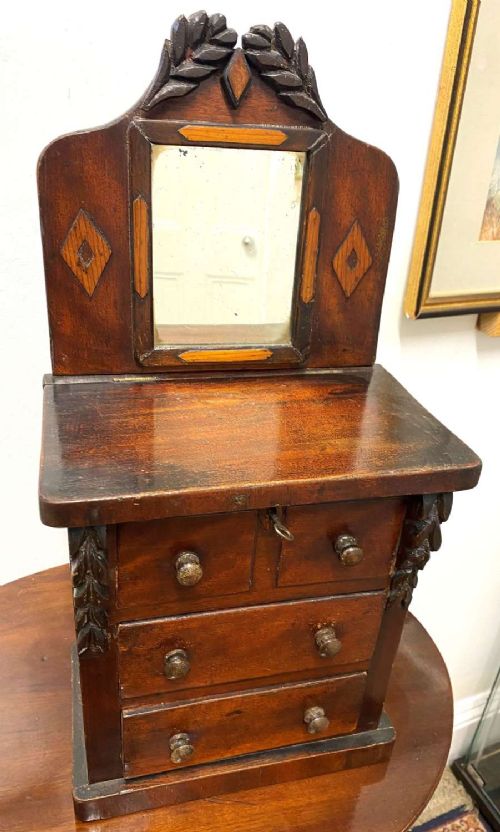
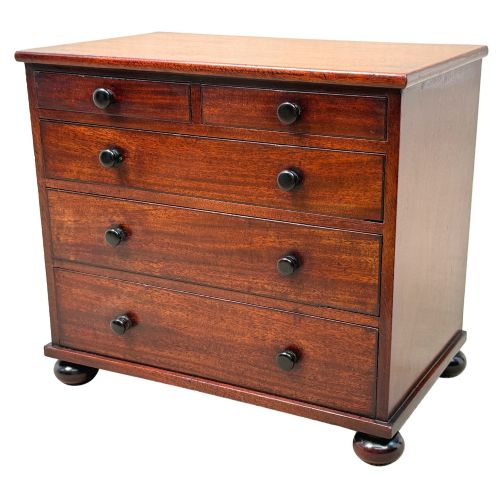
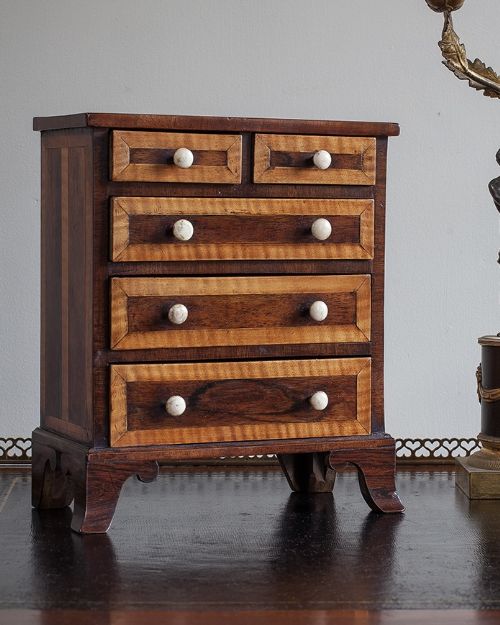
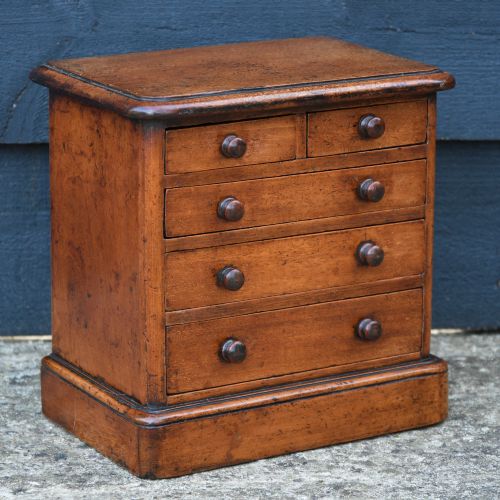
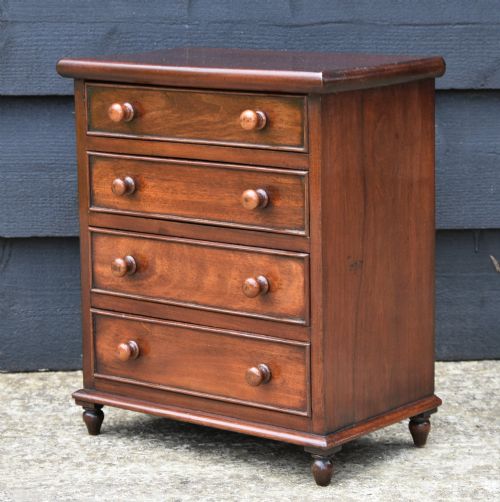
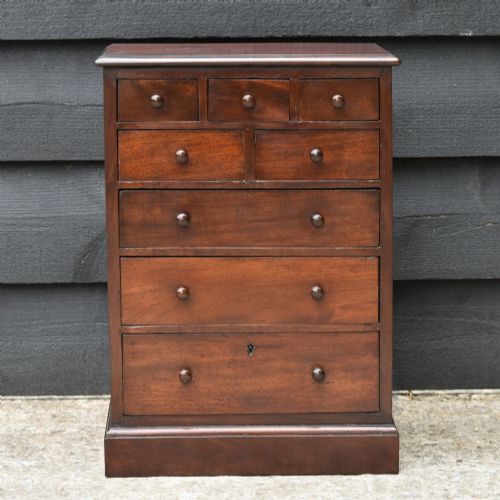
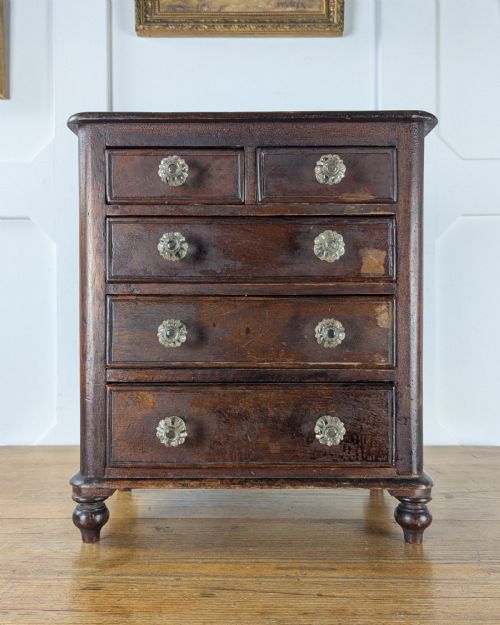
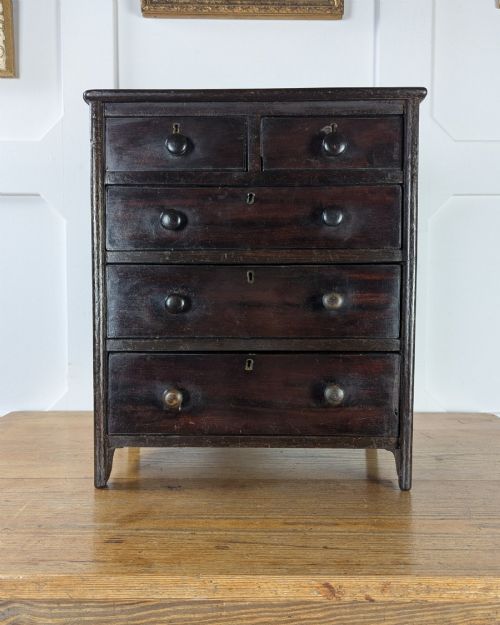
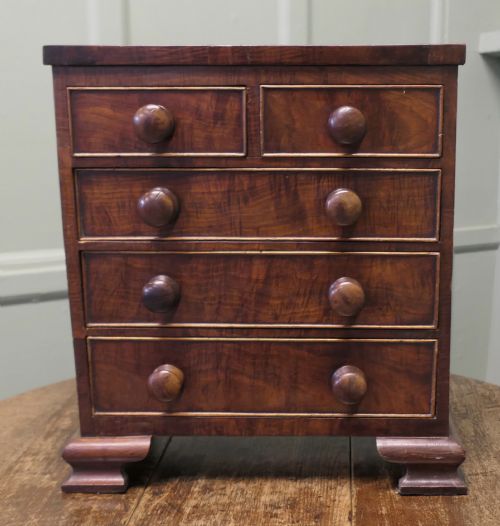
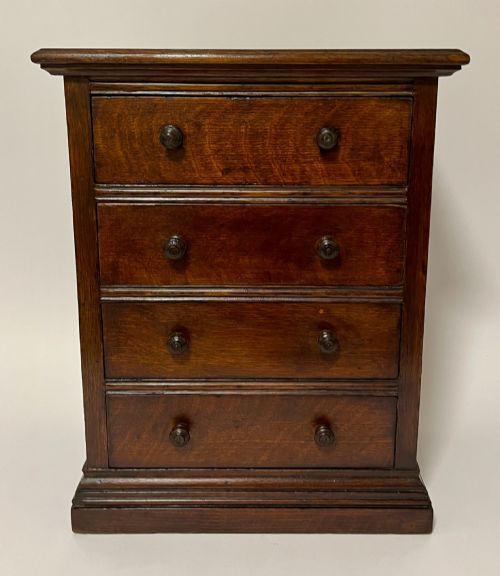
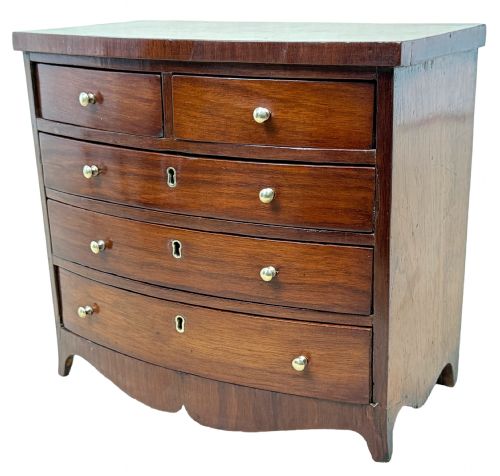
A victorian jewellery piece often takes the form of a miniature mahogany chest of drawers, offering small-scale craftsmanship that collectors prize.
Victorian Jewelry Piece
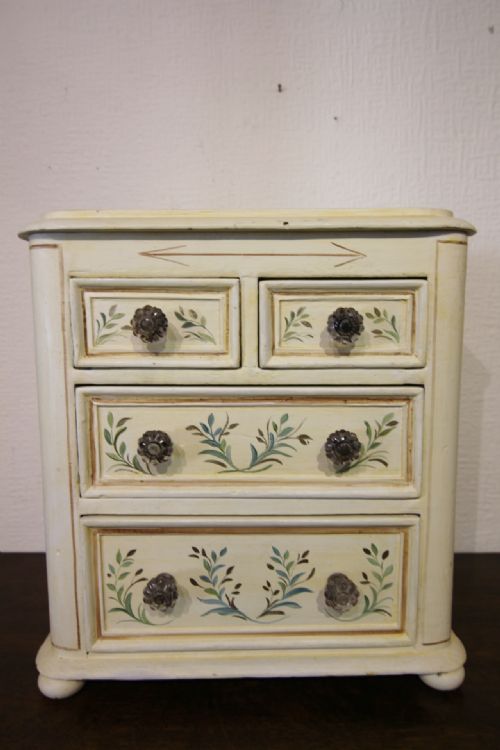
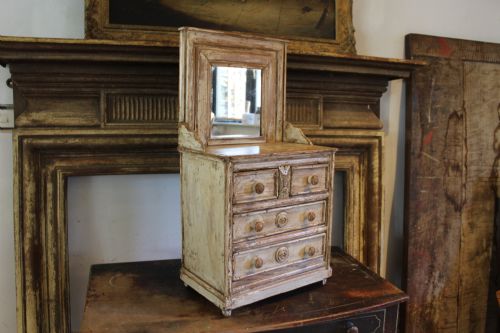
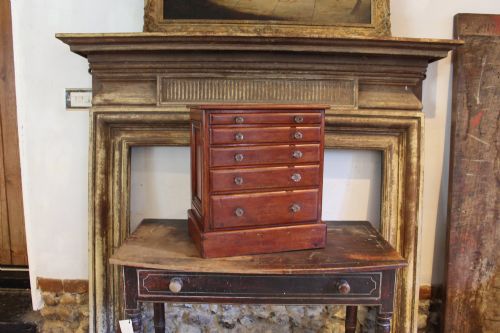
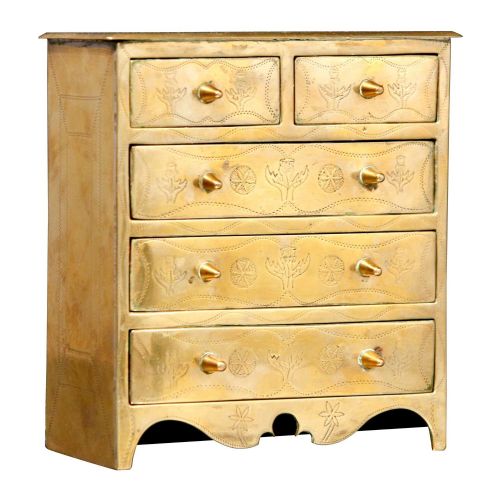
A victorian jewellery piece on this page predominantly appears as a miniature chest of drawers, chiffonier, or tabletop cabinet rather than a standard personal ornament. These small-scale items served practical functions as jewellery boxes, desktop specimen cases, or shop display pieces during the nineteenth century.
The objects frequently originate from the Victorian period, alongside examples spanning the nineteenth century from eighteen hundred to eighteen eighty, with occasional items stretching into the Edwardian era. Miniature chests of drawers dominate the selection, built with multiple small drawers, secret compartments, or bowfront designs.
Makers ranged from skilled joiners creating apprentice pieces to provincial workshops producing scaled-down furniture in mahogany, walnut, and pine. Buyers encounter diverse regional variations, including Scottish and French provincial interpretations alongside English pieces.
Materials and construction
Makers built these miniature pieces primarily using solid hardwoods and pines, with mahogany standing out as the dominant timber. Cabinetmakers also employed burr walnut, amboyna, pitch pine, and oak to construct the carcasses and drawer fronts.
Joinery techniques mirrored full-sized nineteenth-century furniture, incorporating dovetailed drawer construction, turned feet, and applied ebonised moulding. Details such as brass engraved hardware, mother-of-pearl inlay, and painted finishes appeared on specific regional or decorative examples.
Victorian Jewelry Piece Retail Price Guide 2026
Typical asking prices for victorian jewelry piece among the pieces listed under this phrase on Sellingantiques today, from the lower quarter to the upper quarter. They describe what is for sale here now, not the wider market.
The selection includes regional variations from Scottish and French provincial workshops.
Distinctions in quality
The refinement of the timber and the crispness of the miniature proportions set superior examples apart from simpler items. Figured veneers, well-chosen mahogany grain, and subtle patination indicate higher cabinetmaking skill.
Construction details distinguish workshop standards, such as smoothly operating secret drawers, finely fitted miniature dovetails, and intact turned feet. Secondary woods and simpler painted pine finishes represent more utilitarian regional production rather than master joinery.
The Victorian Jewelry Piece Glossary
- Apprentice piece
- A small-scale item of furniture demonstrated to a guild or master craftsman to prove skill before attaining full qualification. These pieces replicate full-sized furniture in miniature.
- Bowfront
- A convex, curved front profile popular on nineteenth-century cabinet furniture. This shape softens the corners of miniature chests of drawers.
- Secret drawer
- A concealed compartment built into the structure of a cabinet or chest, accessible only by removing another drawer or releasing a hidden catch. These added security for small valuables.
- Specimen case
- A small cabinet or chest fitted with shallow drawers designed for storing natural history samples, minerals, or small keepsakes. Desktop versions served collectors during the Victorian era.
Victorian Jewelry Piece: Frequently Asked Questions
What were miniature chests used for?
These small chests served multiple purposes in nineteenth-century homes and shops, functioning as desktop jewellery boxes or tabletop specimen cases for small collections. Makers also produced them as showcase items for retail displays or as demonstrations of skill.
Today, collectors use them to house small trinkets or place them on desks and side tables as decorative objects.
How do I identify an apprentice piece?
An apprentice piece replicates the exact construction methods, proportions, and timber choices of full-sized Victorian furniture on a miniature scale. They often display careful joinery, such as finely cut dovetails and turned wooden feet.
While traditional lore links them strictly to journeymen proving their skills, many served as salesman samples or specialty tabletop cabinets.
What woods were used for these pieces?
Mahogany is the most frequent timber found in these nineteenth-century items, valued for its durability and rich grain. Cabinetmakers also utilised walnut, burr walnut, amboyna, oak, and painted pine.
Finer examples incorporate decorative veneers and contrasting inlays like mother-of-pearl or ebonised mouldings.
Are secret drawers common?
Secret drawers appear in select nineteenth-century miniature chests, tucked behind plinths or beneath top surfaces as concealed compartments. Cabinetmakers built these hidden spaces to secure rings, small jewels, or private letters.
Finding a secret drawer depends on the specific internal architecture of the individual piece.