



Victorian Jewel
A victorian jewel brings nineteenth-century craftsmanship to life through miniature portraiture, intricate metalwork, and personal adornment that collectors treasure for its tactile beauty.
Victorian Jewel
Earrings, lockets, and necklaces dominate the personal ornaments, while associated small items like trinket boxes and pocket watches share the material sensibility of the era. Buyers frequently meet gold settings paired with pearls, turquoise, agate, and paste stones.
Materials and Technique
Maker's workshops utilised gold in fifteen-carat and nine-carat purities, alongside silver, gilt bronze, and ormolu for structural components. These metals were cast, chased, and engraved to form intricate housings for stones and enamel.
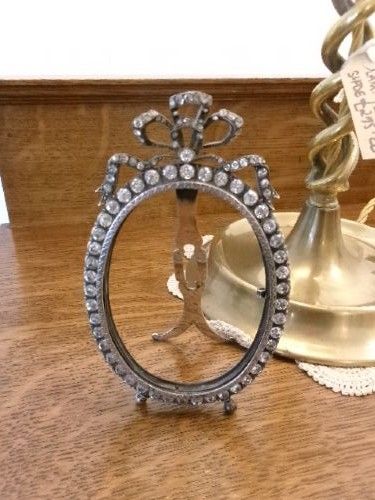
Enamel work, paste stones, bezel-set pearls, and banded agate provide the primary surface ornamentation across these items. Filigree wirework and hand-engraved detailing further demonstrate the sophisticated bench techniques of nineteenth-century artisans.
Victorian Jewel Retail Price Guide 2026
Typical asking prices for victorian jewel among the pieces listed under this phrase on Sellingantiques today, from the lower quarter to the upper quarter. They describe what is for sale here now, not the wider market.
Current listings demonstrate a material palette spanning gold, silver, ormolu, enamel, and tortoiseshell across nineteenth-century forms.
Assessing Quality
Quality reveals itself in the crispness of metal chasing and the security of stone settings, where superior pieces exhibit precise flush or bezel work without excess solder. The weight and gauge of the gold or silver chassis also indicate higher standards of production.
Artistic execution in enamel work and the depth of hand-engraving separate standard production from exceptional examples. Furthermore, the integrity of surviving mechanisms in pocket watches and hinged boxes reflects the original workshop's competence.
L Roberts Genève·Royal Vienna
The Victorian Jewel Glossary
- Filigree
- Fine wirework soldered into open-work patterns, often seen in silver and gold Victorian items. This technique creates delicate, lace-like motifs.
- Paste
- Hand-cut glass or lead crystal used to imitate gemstones in historical jewellery. It is faceted and set with the same care as genuine stones.
- Ormolu
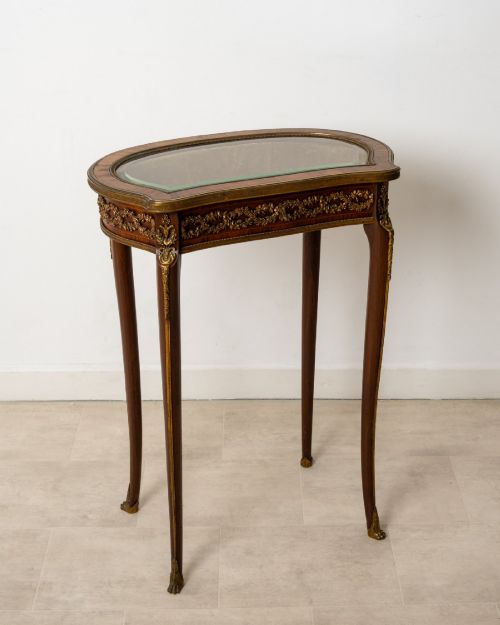
- Gilded bronze or brass applied to decorative objects and furniture mounts. The technique involves mercury amalgamation or electroplating to achieve a rich gold surface.
- Vesta
- A small pocket case designed to hold matches safely. Victorian examples often feature engraved silver or gold surfaces.
- Agate
- A variety of chalcedony showing coloured bands or layers, frequently polished into cabochons for earrings and brooches. Victorian lapidaries prized stones with distinct natural banding.
Victorian Jewel: Frequently Asked Questions
What is a Victorian jewel?
A victorian jewel encompasses small decorative items and personal ornaments produced during the nineteenth century, ranging from gold necklaces and agate earrings to ceremonial medals and pocket watches.
These pieces reflect the sentimental and decorative tastes of the period, often incorporating meaningful motifs, gemstones, and intricate metalwork designed for daily wear or special occasions.
How are these pieces worn today?
Wearers integrate Victorian necklaces, lockets, and earrings into contemporary wardrobes as focal accessories that provide historical contrast. Shorter chains allow pendants and lockets to sit near the collarbone for everyday visibility.
Heavier gold pieces and ceremonial medals work well as standalone statement items. Care should be taken to protect delicate elements like paste stones and enamel from moisture and impact.
How do I care for antique gold?
Cleaning antique gold requires warm water, mild soap, and a soft brush to remove accumulated oils without disturbing delicate settings. Harsh chemical dips must be avoided, particularly when dealing with closed-back stones or enamel.
Storage in individual soft pouches prevents friction against other items. Regular inspection by a specialist ensures that claws and bezels remain secure around pearls and paste.
What materials were commonly used?
Nineteenth-century jewellers relied heavily on fifteen-carat and nine-carat gold, silver, and gilt bronze. Surface interest came from enamel, banded agate, pearls, turquoise, and hand-cut paste stones.
These materials allowed workshops to produce both high-value precious items and accessible decorative accessories. The combination of metals and stones defines the distinctive aesthetic of the era.