





Victorian Ironwork
Victorian ironwork offers durable metalwork combining utility and ornament, providing robust architectural salvage and decorative pieces for period interiors.
Victorian Ironwork
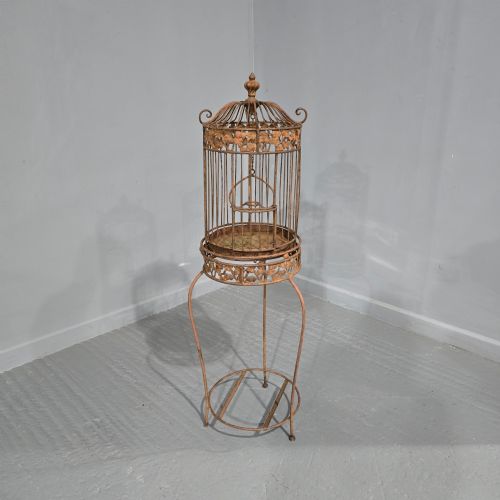
Victorian ironwork encompasses robust architectural salvage, garden gates, stick stands, and decorative objects produced during the nineteenth century. These items range from large estate gates and chapel doors to smaller items such as candlesticks and birdcages.
The selections on this page feature items created in styles including Gothic Revival, Aesthetic Movement, and Rustic Farmhouse. Many pieces merge structural utility with ornamental design, utilising both cast and wrought iron.
Smaller items like pricket candlesticks and sink brackets sit alongside substantial architectural elements such as pub tables and estate gates. Each object demonstrates the period capacity to blend industrial strength with decorative detail.
Materials and techniques
Makers utilised both cast iron and wrought iron, frequently combining the two within a single piece to achieve structural strength and intricate detail. Cast iron allowed for ornate, repetitive forms like birdcages and sink brackets, while wrought iron suited the hand-forged straps of estate gates and chapel doors.
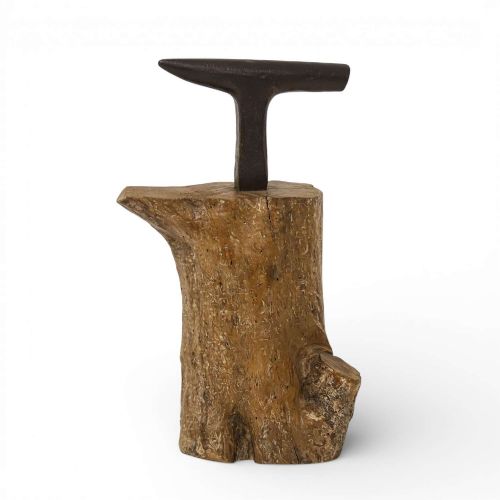
Wood elements occasionally complement the metalwork, as seen in fruitwood trunks mounting farrier's anvils and pine chapel doors fitted with wrought ironwork. Techniques involved traditional blacksmithing for wrought iron components and foundry casting for decorative brackets and stands.
Victorian Ironwork Retail Price Guide 2026
Typical asking prices for victorian ironwork among the pieces listed under this phrase on Sellingantiques today, from the lower quarter to the upper quarter. They describe what is for sale here now, not the wider market.
Design styles represented across the inventory include Gothic Revival, Aesthetic Movement, and Rustic Farmhouse.
What determines quality
The distinction between standard utility items and exceptional pieces rests on the complexity of the design and the skill of the blacksmith or foundry. Items displaying sophisticated motifs, such as dragon details on sink brackets or trident motifs on garden gates, demonstrate superior craftsmanship.
Integrity of the material and survival of original surfaces also govern the standing of a piece. Wrought iron strapwork retaining its authentic texture commands attention alongside clean foundry castings that preserve sharp decorative relief.
Falkirk Ironworks
The Victorian Ironwork Glossary
- Wrought iron
- Iron that has been heated and hammered by hand into shape. This material allows for fibrous tensile strength and distinct surface textures visible in gates and strapwork.
- Cast iron
- Iron poured into a mould to create solid forms. This technique facilitates the production of intricate decorative objects and structural brackets with repeatable patterns.
- Gothic Revival
- An architectural and decorative style drawing inspiration from medieval forms. Pieces in this manner often incorporate pointed arches and heavy strapwork.
- Aesthetic Movement
- A late nineteenth-century design approach prioritising visual beauty over narrative function. Items influenced by this style show refined lines and artistic grace.
- Architectural salvage
- Building components rescued from demolition or alteration. These elements include gates, doors, and brackets reused in new settings.
Victorian Ironwork: Frequently Asked Questions
What is victorian ironwork?
Victorian ironwork comprises metal items manufactured during the nineteenth century, ranging from functional architectural salvage like gates and chapel doors to decorative objects such as birdcages and candlesticks.
These pieces reflect the industrial capabilities and design movements of the era, including Gothic Revival and Aesthetic Movement styles.
How were these items used?
Original uses varied widely according to scale, encompassing practical boundary security through estate gates and architectural support through sink brackets.
Smaller pieces served domestic functions as table bases, lighting supports, or decorative birdcages within Victorian homes and public houses.
How do I care for ironwork?
Maintenance involves protecting the metal surface from moisture and preventing active corrosion while preserving the patination built up over decades.
Indoor items require occasional dusting, while exterior garden gates and architectural salvage benefit from stable protective coatings suited to iron.