




Victorian House Tool
These Victorian house tool selections offer practical and decorative items from the nineteenth century designed for traditional domestic and agricultural life.
Victorian House Tool
When you search for a Victorian house tool, you are looking at functional implements and utility objects originating primarily from the nineteenth century. These pieces bridge the gap between heavy agricultural tasks and refined country house interiors.
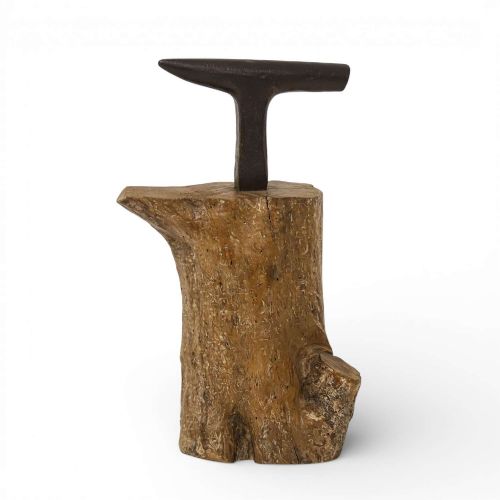
The items listed on this page encompass companion sets, farrier's anvils, agricultural tools, garden trug carry equipment, and watering cans. They reflect the utilitarian requirements of rural and domestic estates during the Victorian period.
How these items were made
Makers utilised durable materials such as iron and wrought iron for heavy-duty implements like log grabbers and farrier's anvils. Hand forging techniques ensured these metal tools could withstand rigorous daily use in agricultural settings.
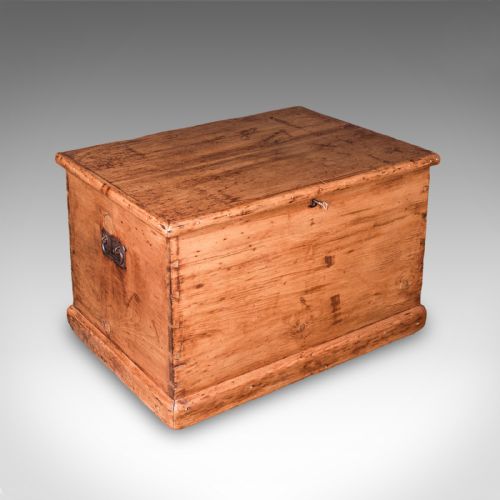
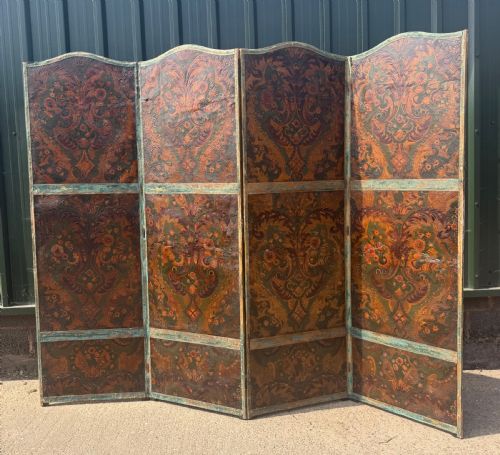
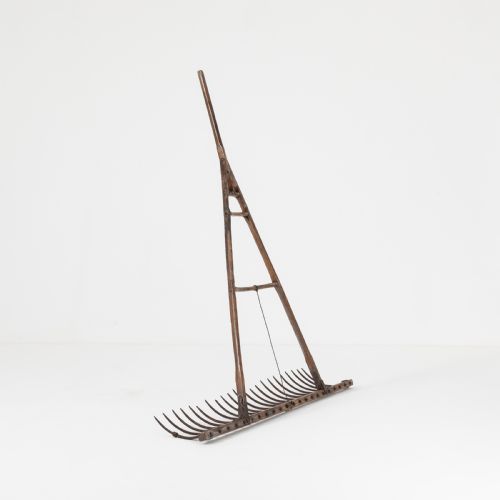
Timber and wood varieties including pine, fruitwood, beech, and ash formed the basis for larger storage pieces, hay rakes, and dairy maid's shoulder yokes. Canvas and oil paint also appear on decorative folding screens designed to mimic tooled leather.
Victorian House Tool Retail Price Guide 2026
Typical asking prices for victorian house tool among the pieces listed under this phrase on Sellingantiques today, from the lower quarter to the upper quarter. They describe what is for sale here now, not the wider market.
A dairy maid's shoulder yoke brings an immediate mental image of milk pails swinging rhythmically down a muddy 19th-century lane.
What varies in quality
The standard of a Victorian house tool depends heavily on the integrity of its original construction and the survival of its primary materials. Hand-forged metalwork showing careful shaping differs significantly from mass-produced utilitarian hardware.
The degree of original decorative finish, such as polychrome paint on canvas screens or matched pairs of brass watering cans, separates standard utility items from more refined country house accessories.
The Victorian House Tool Glossary
- Farrier
- A specialist craftsman who shoes horses and trims hooves. Farrier's tools and mounted anvils reflect this heavy rural trade.
- Companion set
- A matched group of fireplace implements including pokers, tongs, and shovels used for tending a hearth.
- Garden trug
- A shallow basket traditionally used for gathering fruit, vegetables, and garden flowers. Examples are often constructed from light wood.
- Shoulder yoke
- A curved wooden beam designed to balance buckets or loads across the shoulders of a dairy maid or farm worker.
Victorian House Tool: Frequently Asked Questions
What is a Victorian house tool?
A Victorian house tool refers to practical implements, agricultural items, and domestic hardware dating from the nineteenth century. These objects served functional purposes in country houses, dairies, and gardens.
They represent the intersection of utilitarian design and period craftsmanship. Many pieces were made from robust materials like iron, brass, and native woods.
How were these tools used originally?
These items performed physical labour around rural estates, hearths, and farmyards. Examples include garden trugs for carrying produce and companion sets for managing open fires.
Other items like shoulder yokes and hay rakes aided in dairy work and field management. Their utility defined daily domestic routines of the period.
What materials are common?
Iron and wrought iron dominate the heavy implements and fireplace tools. Brass appears in utility items such as watering cans.
Woods like pine, fruitwood, beech, and ash are frequently encountered in agricultural and dairy equipment. Canvas and oil paint also appear on decorative folding screens.