

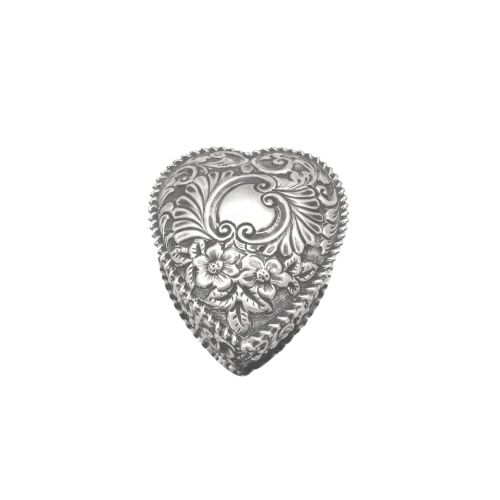


Victorian Heart Box
A victorian heart box offers a charming repository for keepsakes, capturing romantic sentiment in enduring materials like silver, leather and wood.
Victorian Heart Box
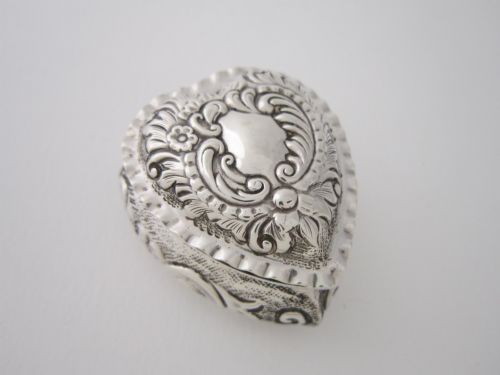
When you search for a victorian heart box, you encounter small personal containers fashioned in the outline of a heart. These pieces span trinket boxes, pill boxes, ring boxes and sovereign holders designed for personal use.
Originating largely from British workshops and makers, these boxes served as intimate gifts for tokens, love letters or small valuables. Their scale ranges from tiny pill boxes to larger desk and table containers.
How they were made
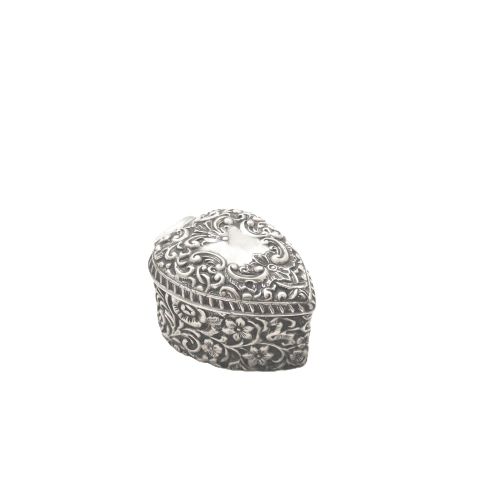
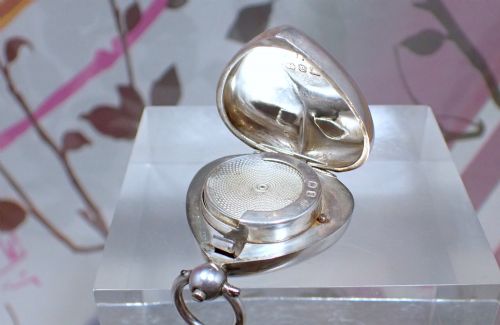
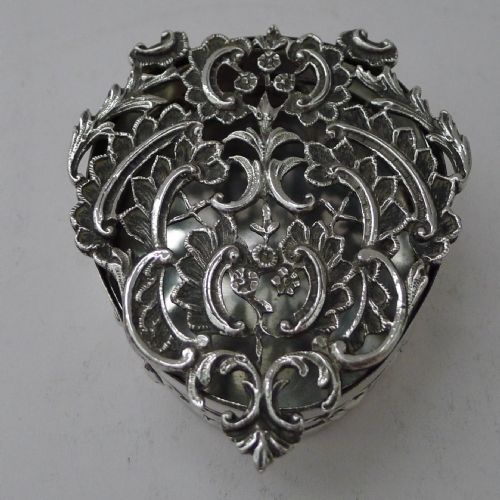
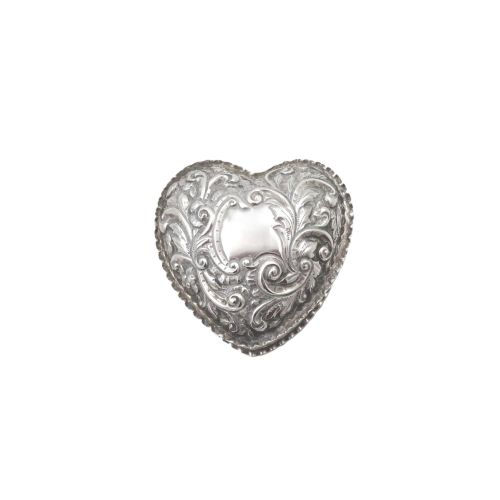
Silversmiths constructed sterling silver boxes using pressing, embossing and piercing techniques, often adding gilt interiors and lined bases. Hallmarks stamped into the metal record the assay office, date letter and maker.
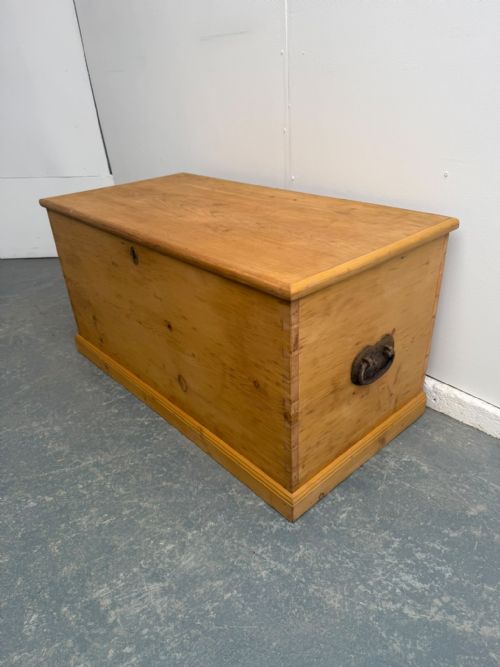
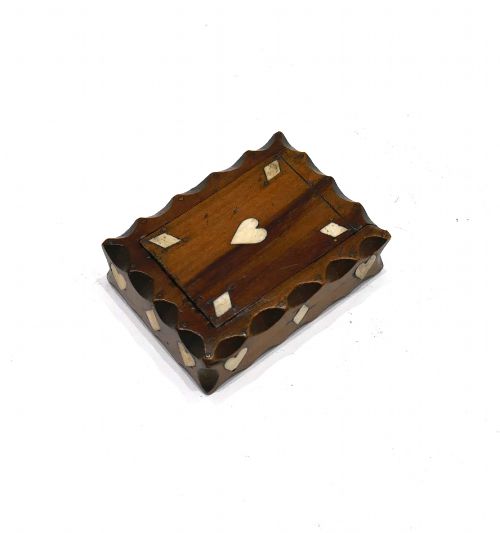
Wooden items utilise pine, fruitwood and rosewood shaped through turning, carving or chip carving. Makers embellished wooden surfaces with bone inlays, brass studwork and wax finishes.
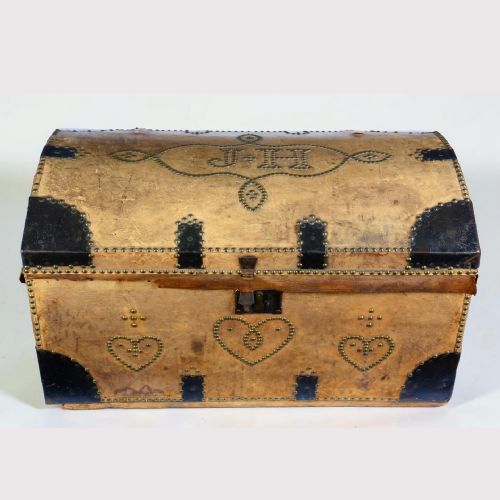
Leather examples incorporate wooden cores wrapped in hides and secured with metal studs, while ceramic and glass variants utilise moulded bodies paired with metal mounts.
Materials recorded across the inventory include sterling silver, iron, leather, brass, pine, fruitwood and bone.
What varies in quality
Quality rests upon the crispness of the chased or embossed decoration upon silver surfaces and the precision of the underlying metalwork. Crisp angel motifs, scrolls and pierced lattice patterns demand higher skill than plain stamped walls.
In wooden and treen examples, the intricacy of chip carving and the snugness of bone inlay determine distinction. Structural integrity, clean hinges and clear, legible hallmarks elevate a piece above standard production.
Arthur Wannop·William Comyns·Deakin & Francis·Henry Matthew·Adie & Lovekin Ltd
The Victorian Heart Box Glossary
- Sterling silver
- A silver alloy containing 92.5 percent pure silver by mass and 7.5 percent other metals, chiefly copper. This standard alloy provides durability for intricate box construction.
- Hallmark
- An official stamp applied by an assay office to indicate the purity of metal, the place of testing and the year of manufacture. British silver items typically display a sequence of distinct punch marks.
- Treen
- Small handmade wooden household objects made before the mass production era. These items display traditional turning and carving methods.
- Chip carving
- A woodworking technique where knives remove small chips from a flat surface to create geometric patterns. Welsh folk art boxes frequently employ this method.
- Sovereign holder
- A compact case engineered to store British gold sovereign coins securely. These pocket containers often mirror the curved contour of a coin or take heart configurations.
Victorian Heart Box: Frequently Asked Questions
What were heart shaped boxes used for?
Victorians used these small receptacles to store daily necessities such as pills, pins, rings and stamps. They functioned as personal vanity items on dressing tables or as pocket containers.
Frequently exchanged as tokens of affection, they held sentimental items like locks of hair or love notes. Their heart outline lent them directly to romantic gifting.
How do I date a silver box?
You determine the age of a British silver box by examining the stamped hallmarks inside the lid or along the base. A specific letter punch corresponds to the assay year.
Additional marks indicate the town of testing, such as an anchor for Birmingham or three wheat sheaves for Chester. Maker initials identify the workshop responsible for the piece.
Are these boxes made of solid silver?
Most silver examples on this page are fashioned from solid sterling silver rather than plated metal. Assay offices tested the metal standard before applying official stamps.
Lighter pill boxes and trinket containers maintain structural rigidity through appropriate metal gauge thickness while remaining portable.
How should I clean wooden treen?
You maintain wooden boxes by applying microcrystalline wax sparingly to nourish the dry grain. Avoid liquid immersion or harsh chemical polishes that damage antique patination.
Gentle dusting with a soft cloth preserves the original surface texture and bone inlays.