


Victorian Hat Case
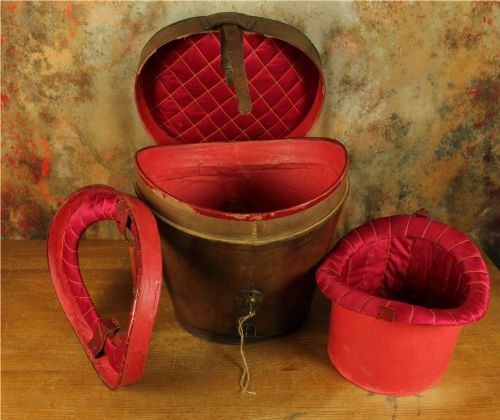
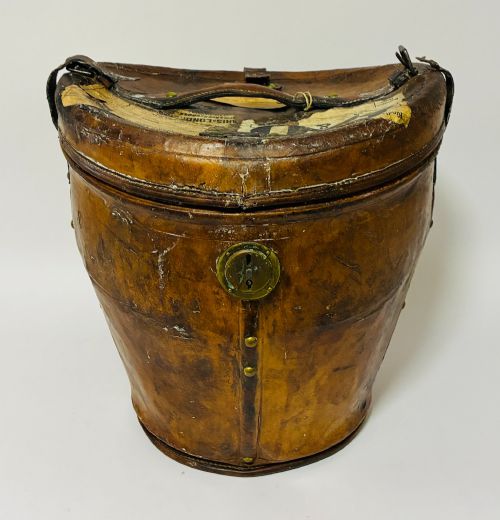
A victorian hat case is a rigid storage container built for formal headwear, combining practical travel utility with period craftsmanship.
Victorian Hat Case
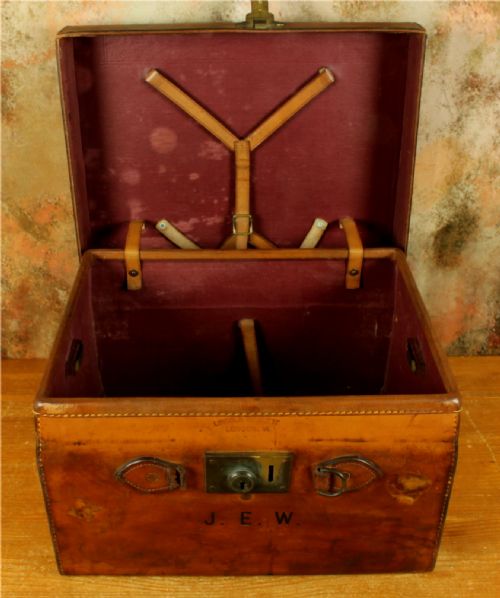
A victorian hat case is primarily found as a leather or toleware tin container designed to protect formal cylindrical headwear during transit. These pieces range from single receptacles to tall multi-hat transit versions built for officers or gentlemen requiring several toppers.
The selections span the nineteenth century through to the early twentieth century, encompassing military campaign gear and civilian luggage. Buyers encounter heavy leather luggage boxes alongside painted metal tins tailored for specific bicorn or top hat forms.
Materials and construction
Makers utilised heavy cattle leather and rigid metal toleware, often reinforced with brass hardware and internal silk linings. Leather examples employ stiffened hides shaped to the contours of tall hats, whilst tin variants provide weather-resistant protection for military transport.
Stitching, brass buckles, and painted finishes define the exterior build, with maker stamps frequently applied directly to the leather or hardware. Internal compartments are occasionally fitted with silk or paper to cushion the headwear against transit shocks.
The listings on this site record leather, brass, toleware tin, and silk as the primary materials used across the nineteenth and early twentieth centuries.
Quality and execution
Distinction in quality rests upon the integrity of the structural hide or metal body and the presence of original maker attribution. Multi-hat transit boxes demonstrating robust brass fittings and intact internal linings represent superior execution.
The grade of leather thickness, the preservation of painted toleware surfaces, and the survival of original interior silk elements separate standard utility pieces from fine military campaign examples.
Lincoln Bennett·Hawkes and Co·JW Allen·George Unite
The Victorian Hat Case Glossary
- Toleware
- Enamelled and painted metalware, usually tin, utilised for durable storage containers. This material offered waterproof protection for military headwear during field transport.
- Bicorn
- A historical folding cocked hat with two points, commonly worn by naval and military officers. Transit cases were specifically tailored to hold this distinct headwear shape.
- Campaign
- A style of portable furniture and luggage designed for military officers on the move. These items incorporated robust brass hardware and durable leather to withstand active service.
- Vesta case
- A small pocket container used for holding wax matches. These personal metal items appear alongside larger luggage in period collections.
Victorian Hat Case: Frequently Asked Questions
What fits inside a victorian hat case?
These containers are specifically shaped to hold formal headwear such as silk top hats or military bicorn hats. Many examples accommodate multiple hats stacked within fitted internal compartments.
Larger multi-hat variants were constructed for gentlemen travelling with different hats for daytime and evening occasions.
How were leather hat boxes used?
Owners utilised these rigid leather cases for transporting formal headwear on trains, carriages, or military campaigns. The sturdy exterior prevented the delicate silk plush of top hats from crushing.
Servants or valets typically managed the packing and transit of these luggage pieces during travel.
Are these cases waterproof?
Toleware tin examples provide robust resistance against rain during military transit in the field. Leather versions offer natural weather protection but rely on surface treatments to shed water.
Campaign items were built to endure harsh outdoor conditions whilst keeping the contents dry.
How do I identify the period?
Dating relies on materials, maker stamps, and construction styles spanning the nineteenth century into the early twentieth century. Military contexts and specific brass hardware designs help narrow the timeline.
Maker signatures on the leather or inside the lid often point to specific workshops active during the Victorian era.