


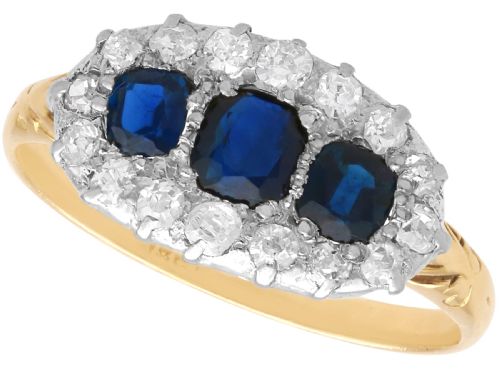

Victorian Halo Engagement Ring
A victorian halo engagement ring sets central gemstones within a border of smaller stones, combining period craftsmanship with enduring symbolic design.
Victorian Halo Engagement Ring
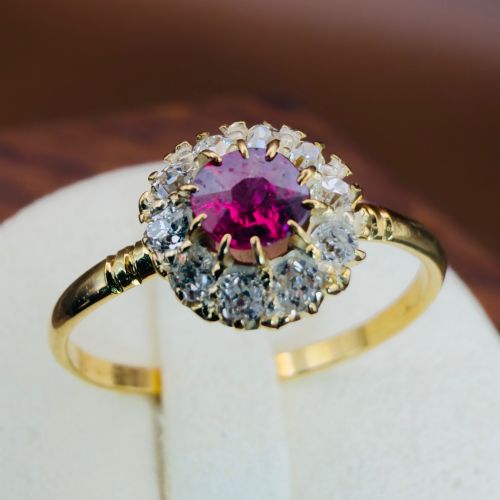
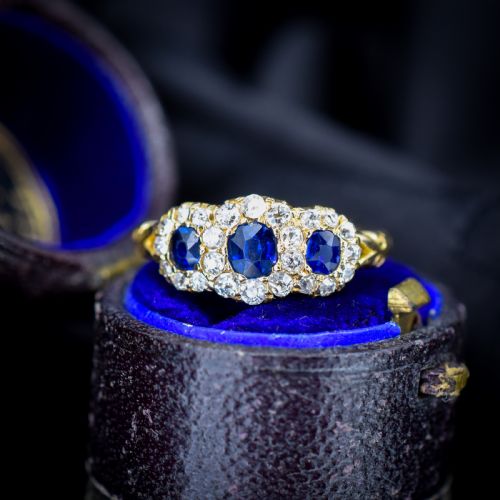
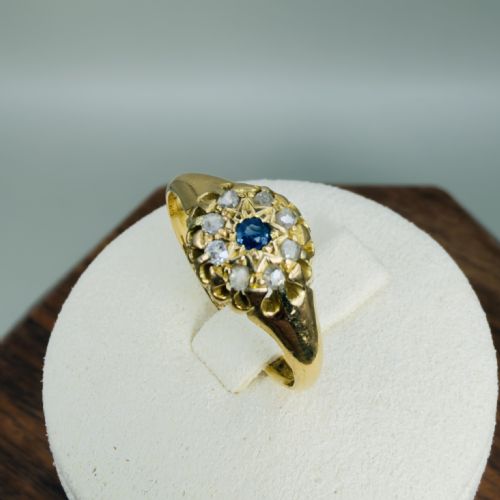
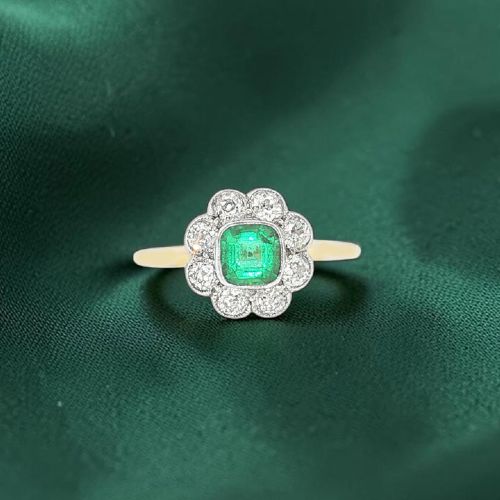
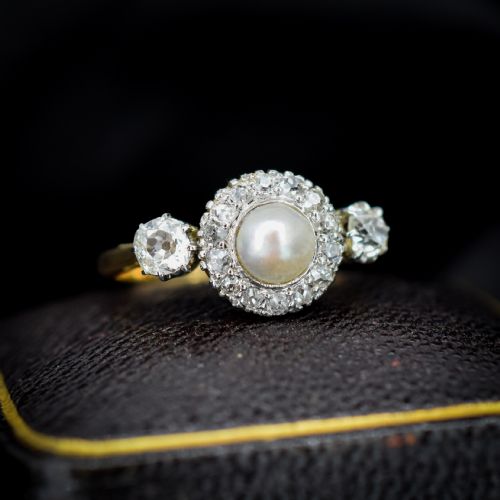
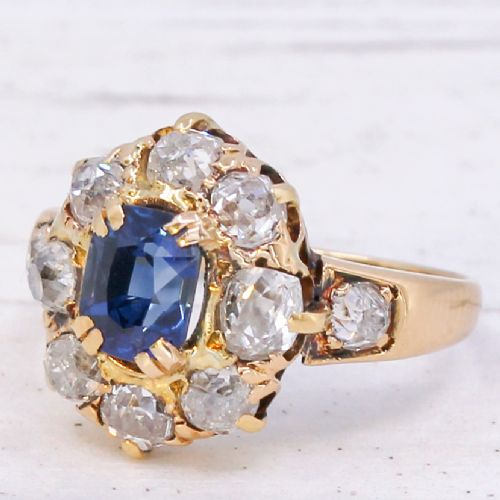
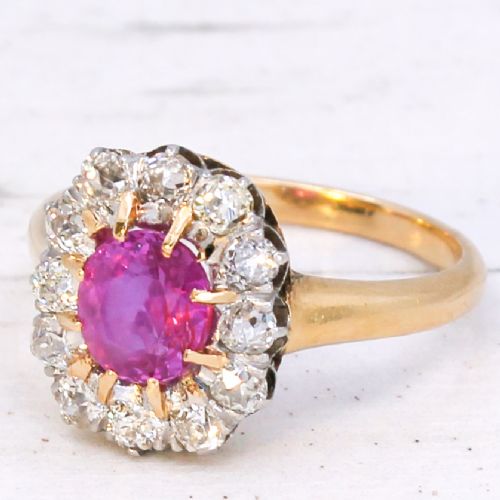
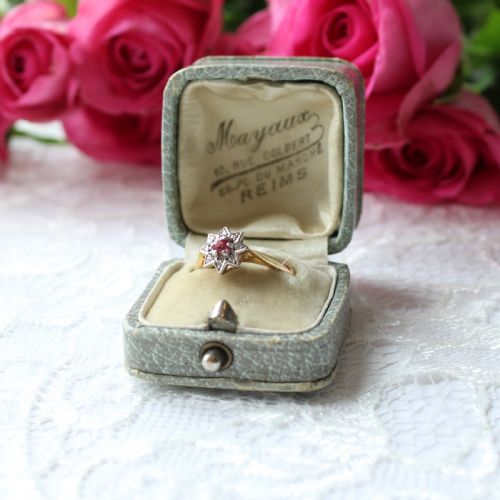
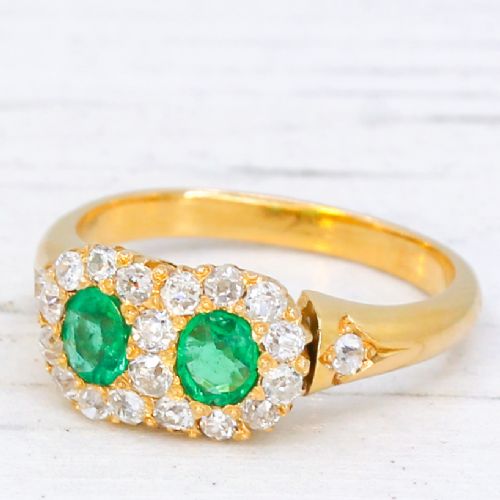
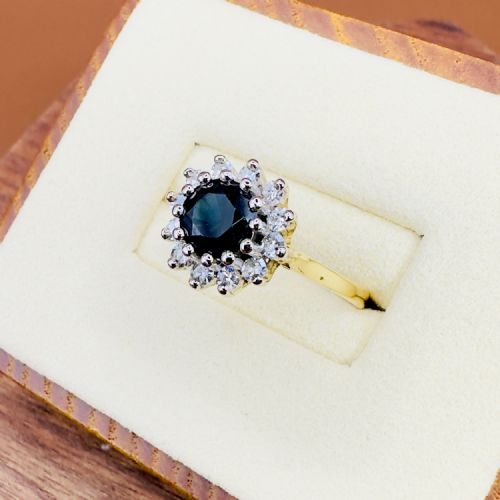
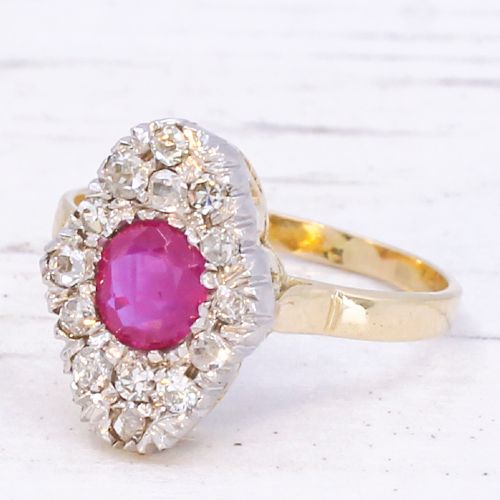
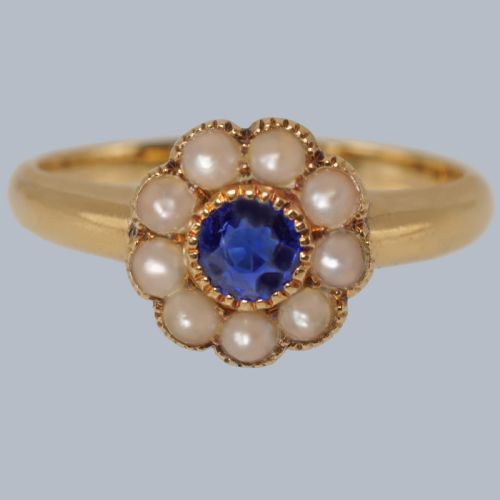
A victorian halo engagement ring typically presents as a cluster formation, centring on a primary gemstone such as diamond, sapphire, ruby, emerald, opal, turquoise or pearl. These pieces span periods from early Victorian through to Edwardian and later revivals, reflecting diverse aesthetic preferences of the nineteenth and twentieth centuries.
The layout generally arranges accent diamonds or pearls closely around a larger coloured stone or central diamond to maximise visual presence. Surviving examples demonstrate various configurations, including single, double and triple clusters set upon precious metal bands.
Materials and construction
Goldsmiths predominantly utilised 18ct yellow gold, alongside silver and 15ct gold variations, to fabricate the mountings. Stones were shaped by hand cutting techniques characteristic of the era, including old mined cuts, rose cuts and traditional faceted profiles.
Gemstones such as rubies, sapphires and diamonds were secured within handcrafted settings designed to hold each stone securely while allowing light to enter from the top.
Listings feature periods spanning from the Victorian era through Edwardian times up to the mid-twentieth century, utilising gold, silver, diamonds, sapphires and rubies.
Evaluating craftsmanship
Quality separates through the natural characteristics of the central and surrounding stones, including the saturation of unheated sapphires or rubies and the clarity of old cut diamonds. Proportion and symmetry in the arrangement of the outer halo stones relative to the centre determine the visual balance of the piece.
The precision of the metalwork, the structural integrity of the setting claws and the retention of original stone cuts contribute significantly to the overall integrity of the jewellery.
The Victorian Halo Engagement Ring Glossary
- Halo cluster
- A central gemstone encircled by a ring of smaller accent stones, typically diamonds. This arrangement enhances the perceived scale and brilliance of the primary gem.
- Old mined cut
- An antique diamond cut featuring a square or slightly rounded girdle, a high crown and a small table facet. These stones were shaped by hand during the eighteenth and nineteenth centuries.
- Rose cut
- A vintage diamond cut characterised by a flat base and a domed crown faceted with triangular shapes. It yields a soft luminescence rather than modern brilliance.
- Cabochon
- A gemstone shaped and polished with a smooth, convex surface rather than faceted planes. This style is frequently observed on opals and turquoises within period rings.
Victorian Halo Engagement Ring: Frequently Asked Questions
How do I wear a cluster ring daily?
These rings require careful handling during rigorous physical activities to protect delicate stones like opals and pearls. Regular checks by a jeweller help ensure settings remain secure.
Pairing the ring with a contoured band prevents friction against neighbouring jewellery on the hand.
What metals are typical for these rings?
Most examples utilise 18ct yellow gold, though silver and 15ct gold variants also appear across the inventory. The choice of metal often reflects the prevailing preferences of the manufacturing period.
Yellow gold provides a warm contrast to the bright sparkle of surrounding diamond accents.
How do I identify the Victorian period?
Dating relies on stylistic clues, gold carat marks, stone cutting styles and specific structural motifs recorded in the inventory. Early Victorian and mid-Victorian pieces often feature hand-cut stones set in substantial gold mounts.
Comparing construction techniques with known period examples helps clarify the era of manufacture.
What is an old mined cut diamond?
An old mined cut is a hand-shaped diamond facet style common in nineteenth-century jewellery. These stones display distinctive proportions including higher crowns and smaller tables compared to modern cuts.
Their unique geometry produces a warm, characteristic glow under candlelight or natural illumination.