


Victorian Hall Wardrobe
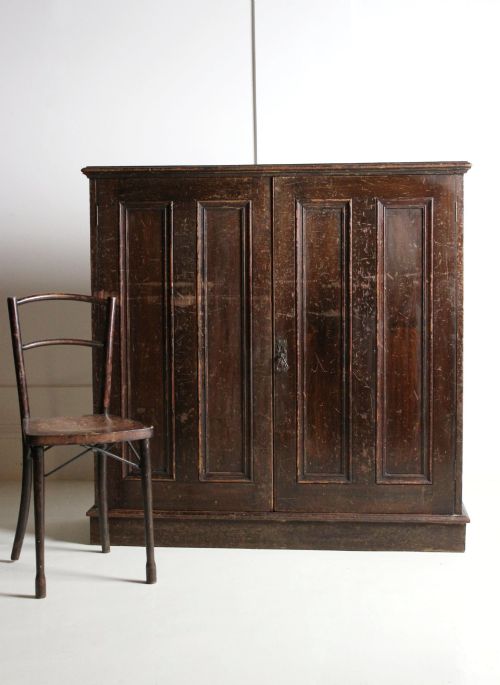
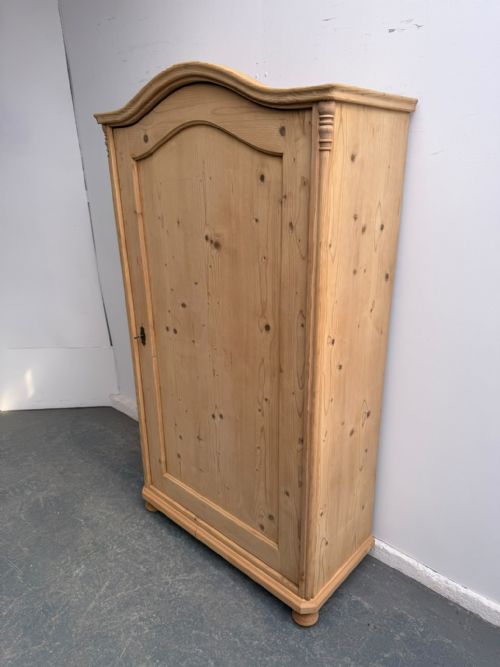
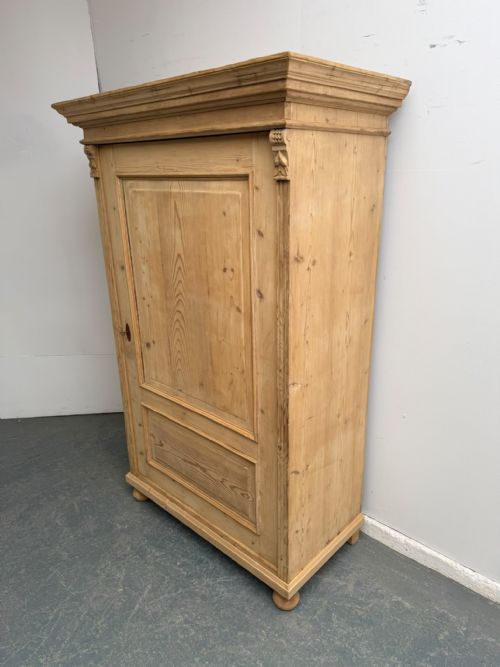
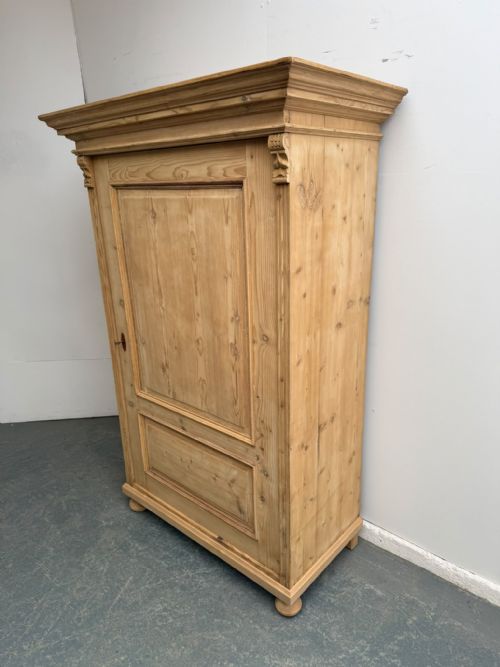
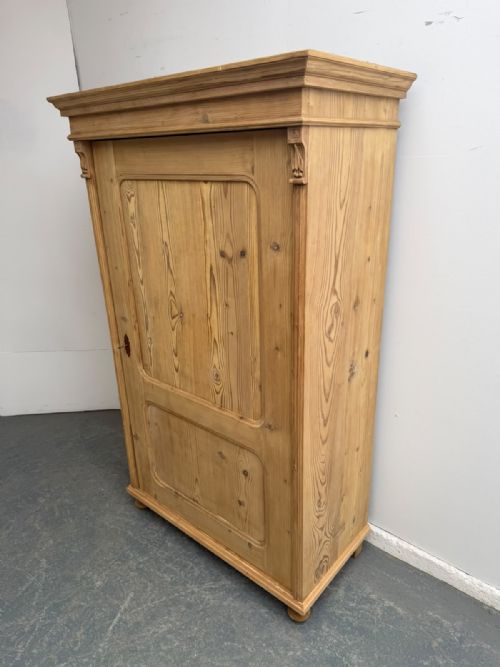
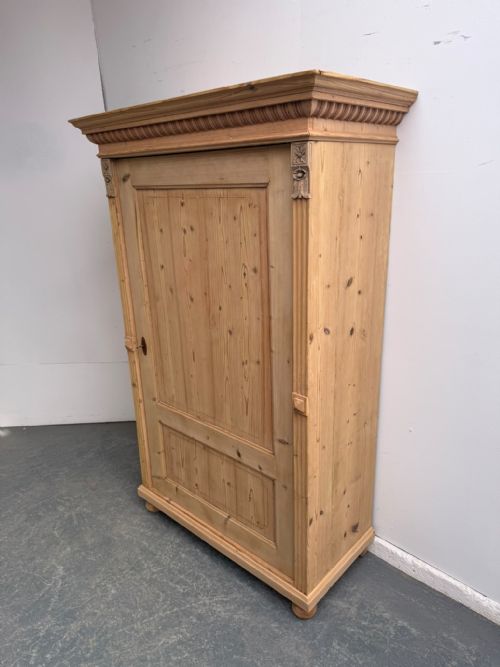
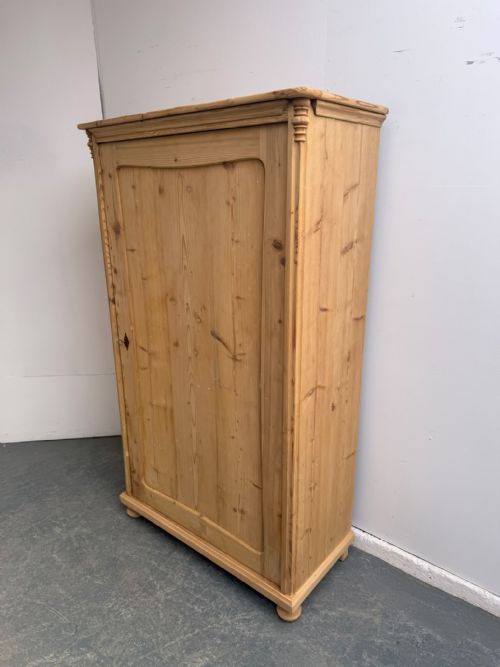
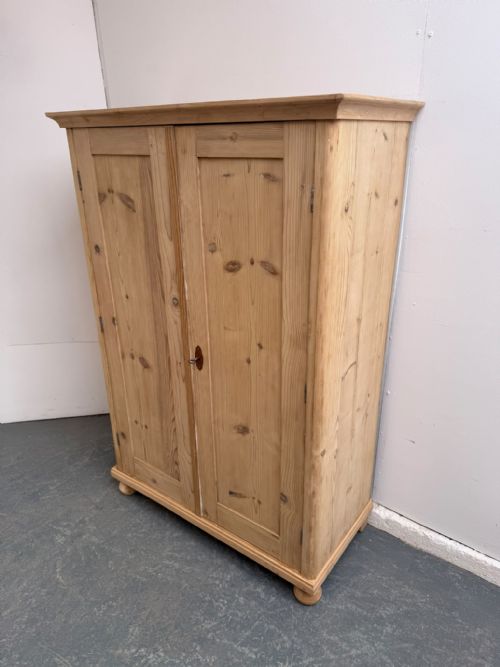
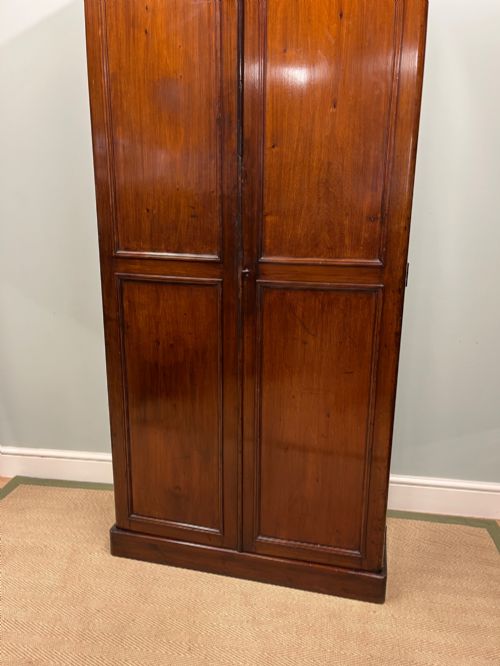
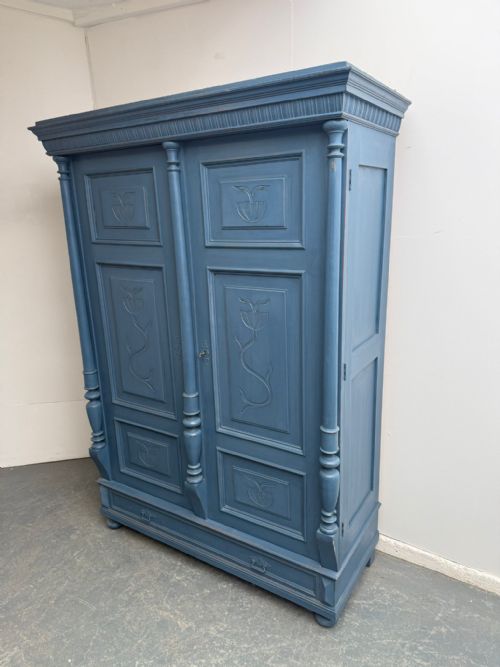
A victorian hall wardrobe stands ready to receive coats and hats, offering deep storage within a narrow footprint designed for the entrance of a house.
Victorian Hall Wardrobe
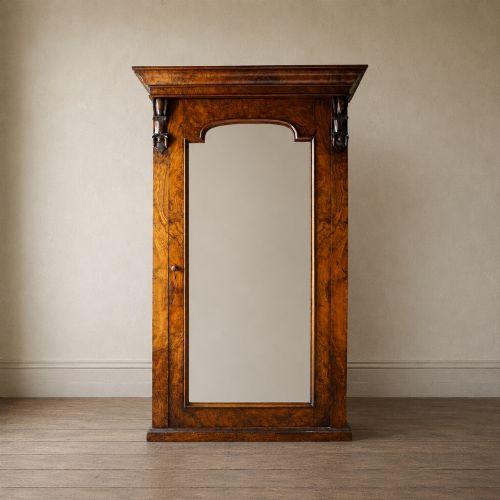
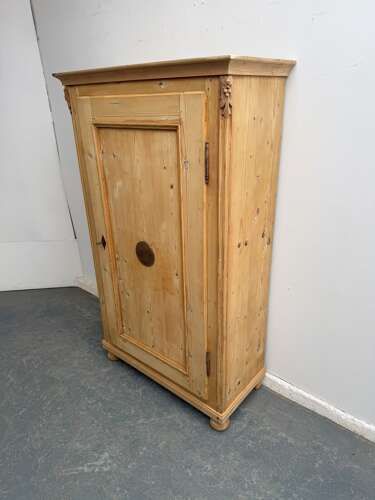
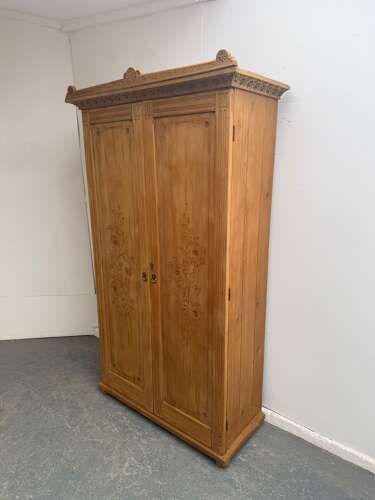
A victorian hall wardrobe is an imposing yet practical piece of furniture designed for entranceways, hallways, and lobbies to house outerwear. These pieces span the nineteenth century and the early twentieth century, incorporating influences from Arts and Crafts, Regency, and rustic farmhouse traditions. Buyers encounter single and double door models, alongside variants functioning as cloak cabinets and lobby cupboards.
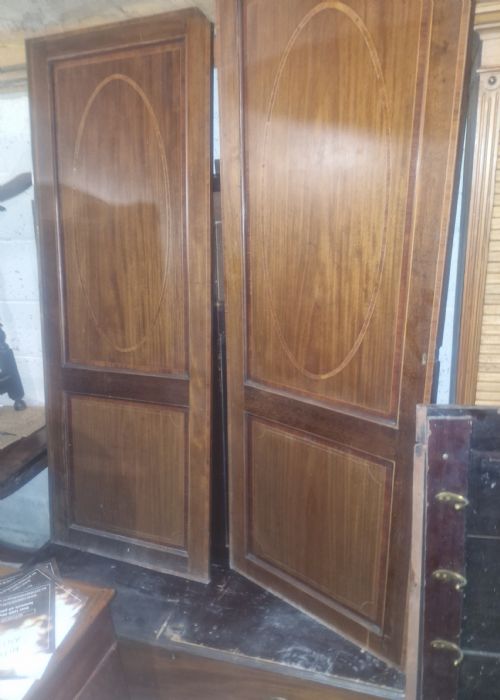
Pine dominates the structural forms on this page, frequently rendered in waxed, painted, or stained finishes. Alongside pine, makers utilised mahogany, walnut, oak, pitch pine, and Hungarian ash. Many examples feature fitted mirrors, drawers, and panelled doors.
Single mirrored wardrobes and one-piece double door cabinets appear frequently alongside shallow arched cupboards and skeleton models. Pieces originate from diverse regions, including Channel Island workshops and Hungarian rural traditions.
Materials and Construction
Solid timbers such as pine, mahogany, oak, and walnut form the primary structure of these wardrobes, joined using traditional cabinet-making methods. Surfaces are finished in wax, original paint, or left plain for later treatment.
Hardware incorporates brass, iron, and metal fittings, while glass serves mirrored door inserts. Carved details and inlaid woodwork appear on select models to ornament the exterior timber.
The inventory includes single door, double door, and mirrored variants spanning the Victorian era and the early twentieth century.
Judging Quality and Distinction
Quality rests upon the selection of timber, such as figured mahogany or pitched pine, and the integrity of the original construction. Superior examples retain their original painted surfaces, carved ornamentation, or fitted mirrors without heavy later alteration.
Finer pieces demonstrate precise joinery in panelled doors and drawers, while utilitarian items show simpler construction methods intended for basic storage. The presence of maker stamps or regional vernacular characteristics elevates the distinctiveness of a piece.
Edward's and Robert's·Gillows
The Victorian Hall Wardrobe Glossary
- Fielded
- A panelled door style where the central portion is raised above the surrounding timber frame. This technique adds depth and dimension to the front of the cabinet.
- Skeleton cupboard
- A wardrobe frame designed without solid side panels or with an open internal skeleton structure. These models often reveal specialised or later alterations.
- Hungarian ash
- A distinctive pale wood with strong grain patterns utilised for fine cabinetry. It provides a striking visual texture on select single door wardrobes.
- Pitch pine
- A dense, resinous softwood with pronounced grain lines valued for its durability. This material frequently appears in utilitarian and regional hall furniture.
- Armoire
- A large standing cupboard or wardrobe used for hanging garments and storing linens. The term is often interchanged with hall wardrobe and large cabinet forms.
Victorian Hall Wardrobe: Frequently Asked Questions
What is a hall wardrobe?
A hall wardrobe is a tall storage cabinet designed specifically for entranceways to hang coats and store footwear. They offer a compact footprint combined with vertical hanging space.
These pieces often include mirrors, hooks, and lower drawers to manage hallway clutter while maintaining a formal appearance.
Are these wardrobes suitable for narrow hallways?
Many surviving examples are built with a shallow depth or single door configuration to fit tight entrance spaces. Their vertical proportions maximise storage without blocking walkways.
Buyers should check exact measurements for depth to ensure clearance behind entry doors.
What woods were used for these?
Pine is the most common timber found on this page, often finished in wax or paint. Finer examples utilise mahogany, oak, walnut, pitch pine, and Hungarian ash.
Each timber brings a different weight and grain character to the finished piece.
How do I date a piece?
Dating relies on construction methods, timber choice, and stylistic markers such as carved ornamentation or hardware. Pieces range from the early nineteenth century through the late Victorian era and into the early twentieth century.
Original finishes and regional details also provide clues regarding the exact period of manufacture.