



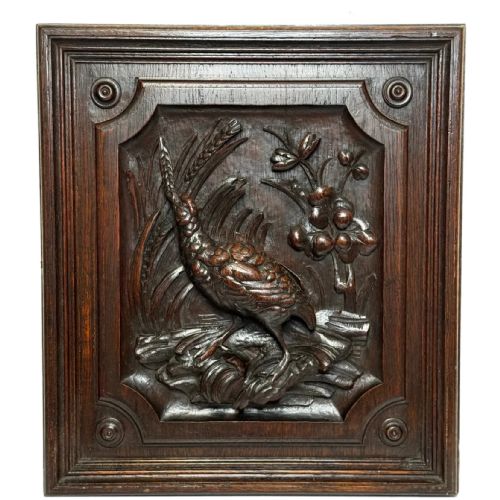


Victorian Gothic Wood Salvage
These heavy, characterful pieces of victorian gothic wood salvage bring genuine ecclesiastical and architectural weight into modern domestic interiors.
Victorian Gothic Wood Salvage
When you search for victorian gothic wood salvage, you encounter architectural elements sourced from churches, historic houses, and public buildings. These fragments range from linenfold panels and overmantels to bed posts and architectural carvings.
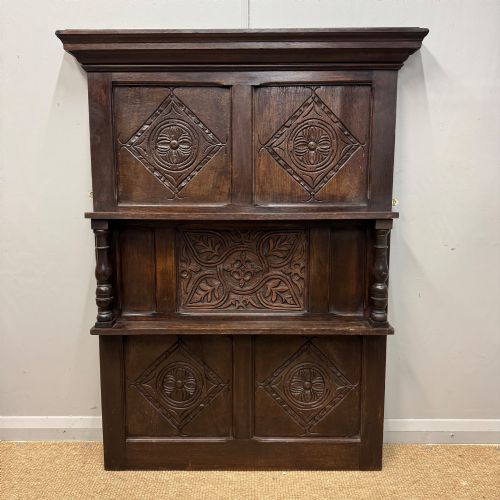
The pieces on this page lean heavily into nineteenth-century ecclesiastical and domestic architecture. You will frequently find oak and pine components carrying Gothic Revival and Victorian Neo-Renaissance motifs.
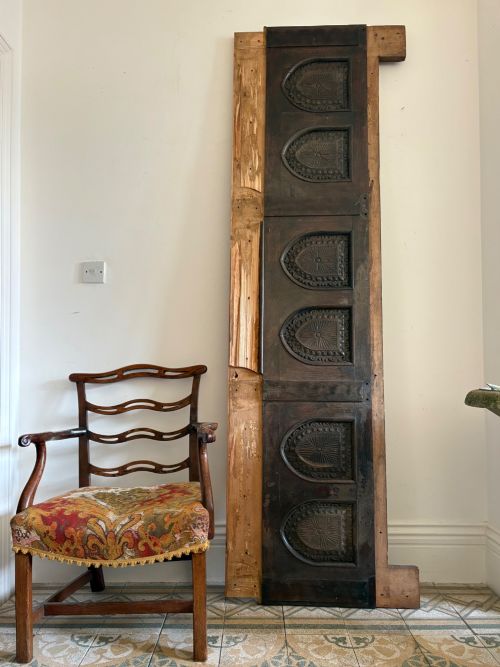
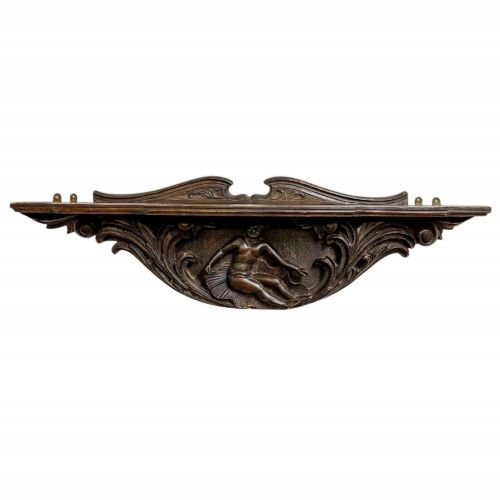
Forms vary from large entrance screens and church tracery panels to smaller carved panels, wall shelves, and pediments. Each item represents a rescued portion of a larger destroyed or remodelled interior structure.
How they were made
Makers utilised solid timbers such as oak, tiger oak, and pine, shaping them with hand tools to produce deep relief carvings. Elements like church tracery panels and overdoor pediments required precise carpentry combined with sculptural woodworking.
Surface treatments involved natural wood finishes that highlighted the grain of the timber, alongside specialised materials like leathermaché for decorative mouldings. Iron fixings and hardware frequently accompanied these architectural elements for structural support.
Victorian Gothic Wood Salvage Retail Price Guide 2026
Typical asking prices for victorian gothic wood salvage among the pieces listed under this phrase on Sellingantiques today, from the lower quarter to the upper quarter. They describe what is for sale here now, not the wider market.
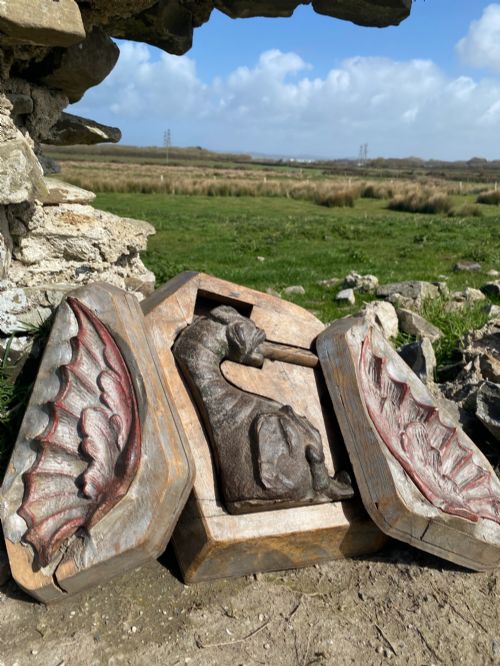
Some pieces feature mythical beasts keeping watch over your hallway, because every Victorian interior needed a pair of carved wooden griffins.
What varies in quality
The depth and crispness of the hand carving dictate the artistic merit of each piece. Crisp detailing on figures such as griffins or archangels separates superior sculptural work from simpler machine-milled mouldings.
Integrity of the timber and the completeness of the original form influence value. Salvage retaining its original structural joins and authentic surface patination holds greater architectural presence than heavily restored fragments.
The Victorian Gothic Wood Salvage Glossary
- Gothic Revival
- An architectural and design style popular in the nineteenth century that revived medieval forms. It draws heavily on pointed arches, ribbed vaults, and ornate tracery.
- Linenfold
- A style of wood paneling carved to resemble folded cloth or linen. It is frequently seen on fifteenth-century pieces and their nineteenth-century revivals.
- Tracery
- Openwork stonework or woodwork supporting glass in a window or decorative screen. In wood salvage, it appears as intricate geometric patterns.
- Overmantel
- A decorative panel or structure placed above a fireplace mantel. These often incorporate shelves, carvings, or architectural elements.
- Parchemin
- A type of low-relief wood carving resembling parchment or rolled scrollwork. It is typical of late medieval and revival paneling.
Victorian Gothic Wood Salvage: Frequently Asked Questions
How were these wooden pieces used?
Original applications included church interiors, grand entrance screens, wall paneling, and structural furniture components. They defined the architectural spaces of the nineteenth century.
In modern settings, people mount carved panels on walls, incorporate pediments above doorways, or use architectural fragments as focal points in period interiors.
How do I install heavy wood salvage?
Due to the substantial weight of solid oak and pine elements, secure wall mounting requires fixing directly into studs or masonry. Professional installation is often necessary for larger panels and screens.
Consider the load-bearing capacity of your walls and utilise appropriate heavy-duty brackets or hidden battens to support the timber safely.
How do I care for antique wood salvage?
Maintain the timber by keeping pieces away from direct heat sources and extreme humidity fluctuations, which can cause wood to crack. Dust gently with a dry cloth.
Avoid modern silicone polishes that build up on the surface. Occasional application of traditional beeswax helps preserve the historic finish of the wood.