




Victorian Gold Silver Earrings
Victorian gold silver earrings combine the bright, candle-reflecting face of silver with the warm stability of gold.
Victorian Gold Silver Earrings
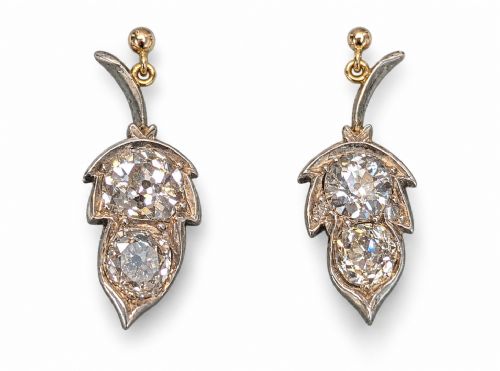
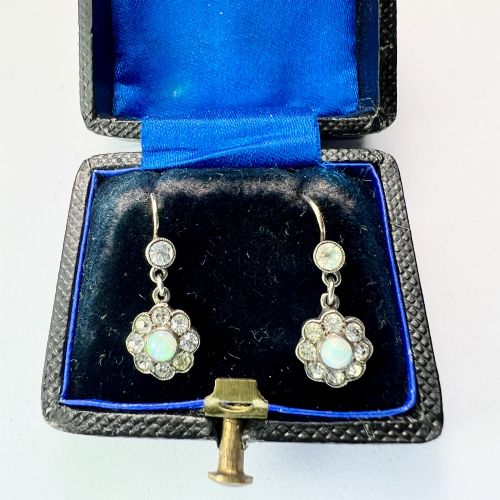
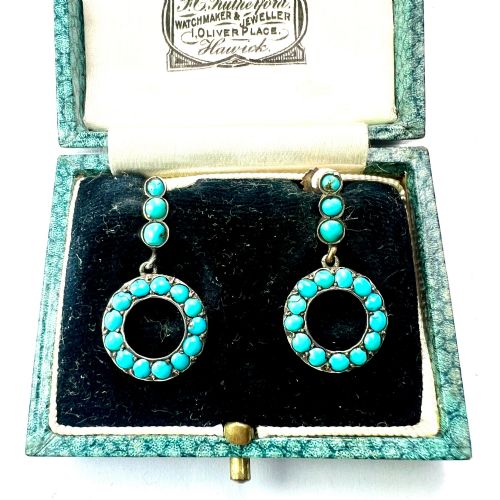
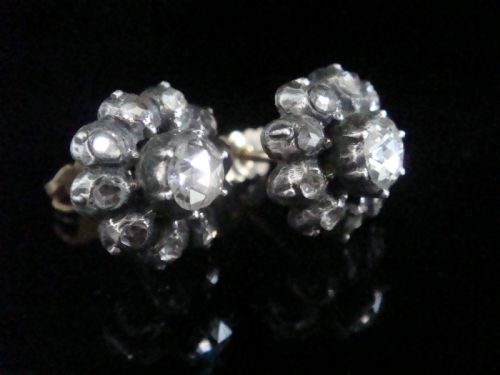
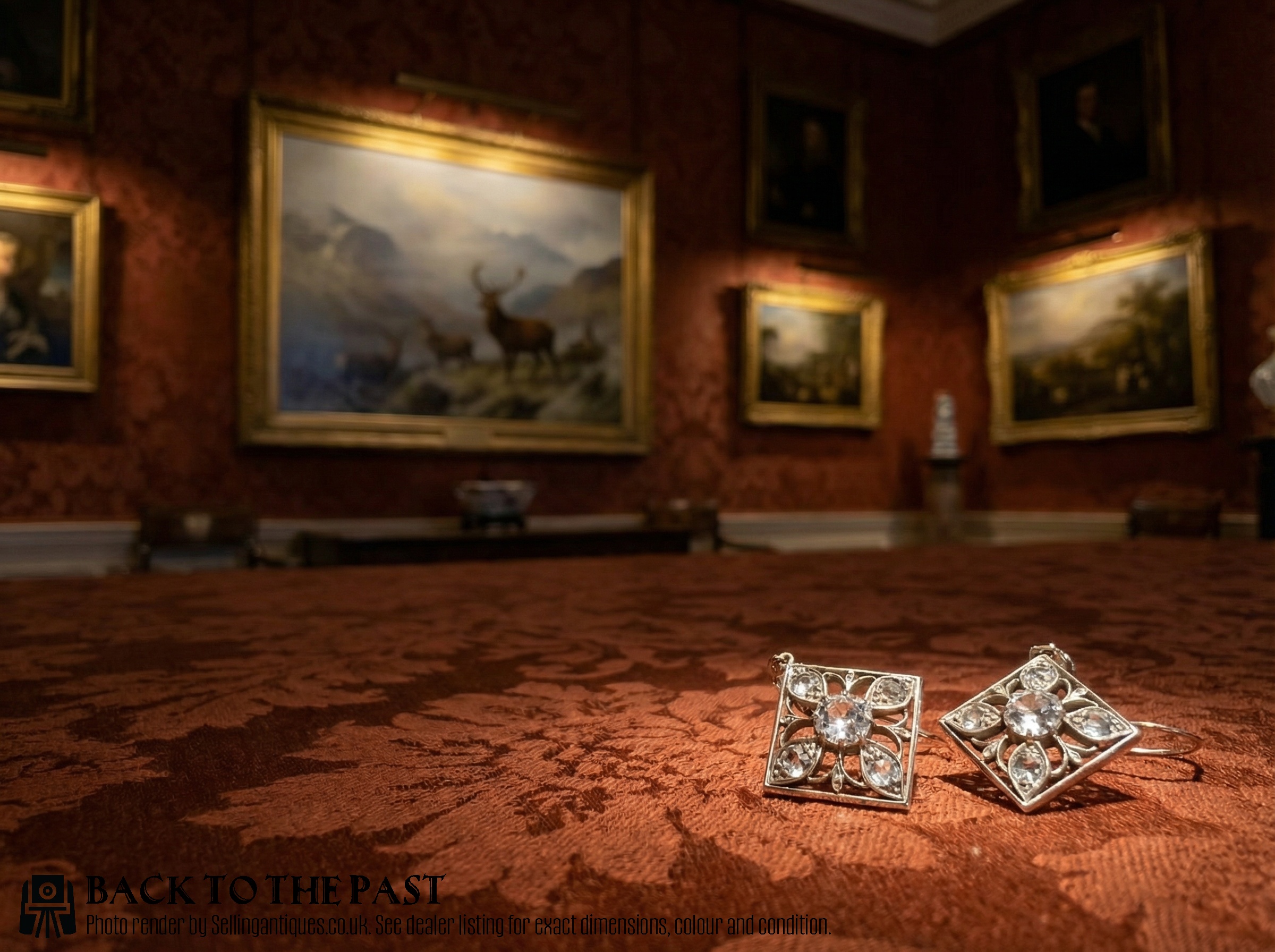
Victorian gold silver earrings span drop designs, clusters, hoops, and delicate tassel forms that catch the light with every turn of the head. You will most frequently encounter pairs that pair a silver-topped face with a yellow or rose gold backing or wire.
These pieces draw heavily on Victorian and Edwardian aesthetics, alongside Austro-Hungarian influences, bringing together floral clusters, teardrops, and geometric halos. The makers combined gold and silver to keep the precious stones bright against a dark metal background while ensuring structural strength.
The selection ranges from simple screw-back hoops to elaborate diamond and pearl drop configurations featuring natural pearls, turquoise, paste, and garnets. Each piece reflects the intricate metalwork typical of the nineteenth and early twentieth centuries.
Materials and construction
The combination of silver and gold forms the structural foundation of these earrings, with silver predominantly used on the front mountings to hold old cut diamonds and paste securely. This dual-metal approach allowed jewellers to contrast the dark, cool sheen of silver against warm 9ct, 15ct, 18ct, or silver gilt backings.
Gemstones including diamonds, turquoise, pearls, paste, garnets, rock crystal, and agate were hand-set into foliated, floral, and cluster formations. Techniques such as foil-backing and silver-topping highlighted the fire of old European and rose cut stones under gaslight and candlelight.
Some Victorian drop earrings were designed to double as pendants, letting the wearer move them from the ears straight to a neck chain.
Judging quality
Quality rests upon the precision of the stone setting and the crispness of the hand-cut metalwork within the foliate mounts and floral clusters. Finer examples display harmonious proportions between the silver-topped front and the supporting gold work, without clumsy solder marks or heavy-handed repairs.
The selection of materials dictates the upper tiers, where natural pearls, certified stones, and well-matched old cut diamonds elevate the piece far beyond simple paste or base-metal substitutes. Superior construction ensures that delicate drops and screw fittings remain secure and balanced during wear.
Knoll & Pregizer
The Victorian Gold Silver Earrings Glossary
- Silver top
- A manufacturing method where a thin sheet of silver is soldered to a gold backing to set stones against a dark, reflective surface. This technique prevents the yellowish tint of gold from dulling the appearance of diamonds.
- Old cut diamond
- A hand-faceted diamond cut before modern machinery, characterised by a small table, high crown, and open culet. These stones catch low-level ambient light in a distinct manner.
- Paste
- Hand-cut lead glass used historically to imitate precious gemstones. High-quality paste was faceted and foiled by hand to maximise brilliance.
- Dormeuse
- A type of antique earring designed originally to be comfortable enough for sleeping. They typically feature secure closure mechanisms like screw backs or snug hooks.
- Silver gilt
- Silver that has been coated with a thin layer of gold. This finish gives the appearance of solid gold while utilising a silver base.
Victorian Gold Silver Earrings: Frequently Asked Questions
How do I wear antique screw-back earrings?
Screw-back earrings feature a threaded post and a small butterfly screw that tightens against the earlobe. Adjust the tension gently until the earring rests securely without pinching the skin.
They offer a reliable option for unpierced ears or for heavier drop designs that require extra support to stay upright.
Can I clean Victorian gold and silver earrings?
Clean these pieces carefully with a soft, dry microfibre cloth to remove surface dust and skin oils. Avoid submerging them in liquid jewellery dips, as moisture can damage foil-backed stones or loosen pearls.
Silver naturally tarnishes over time, but gentle polishing preserves the antique contrast between the dark metal and the bright stones.
Why use both gold and silver in one earring?
Jewellers used silver on the front face because its bright, reflective properties made diamonds and paste stones look whiter and more brilliant. Gold formed the reverse and the findings because it provided structural strength and prevented the silver from tarnishing against the skin.
This two-tone method defined high-end jewellery production throughout the Victorian and Edwardian eras.
How do I tell an old cut diamond from a modern one?
Old cut diamonds feature smaller tables, steeper crowns, and larger facets that were shaped entirely by hand. They produce a softer, broader flash of light compared to the precise, fiery sparkle of modern brilliant-cut stones.
Under magnification, their culets often appear as a small flat facet rather than a sharp point.