



Victorian Gold Sapphire Ring
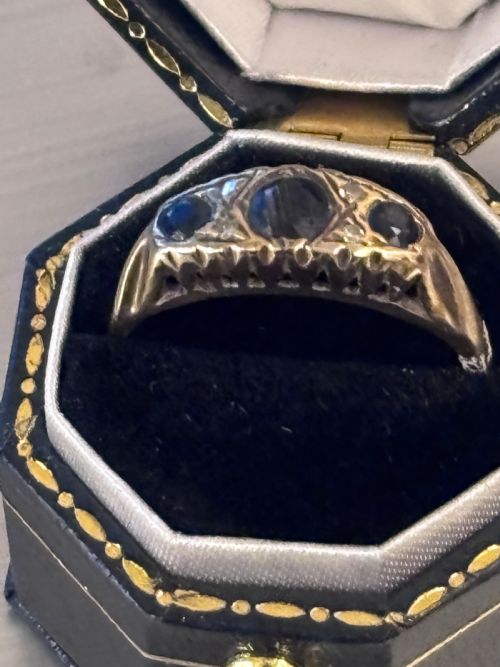
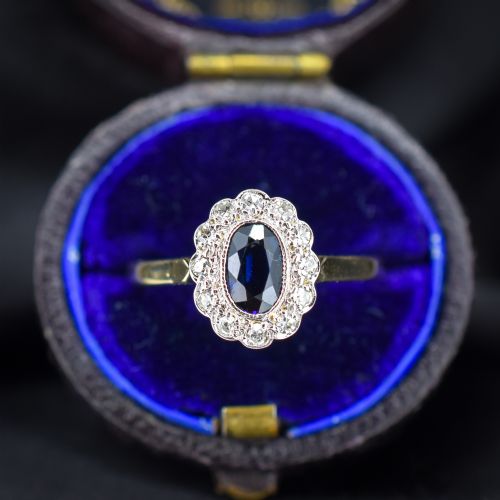
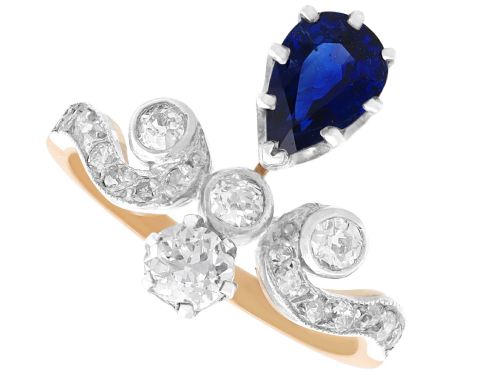
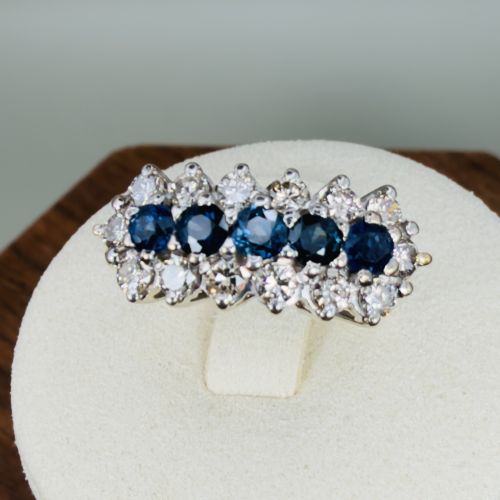
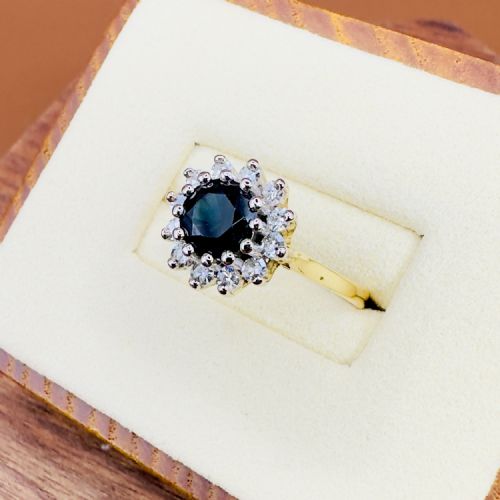
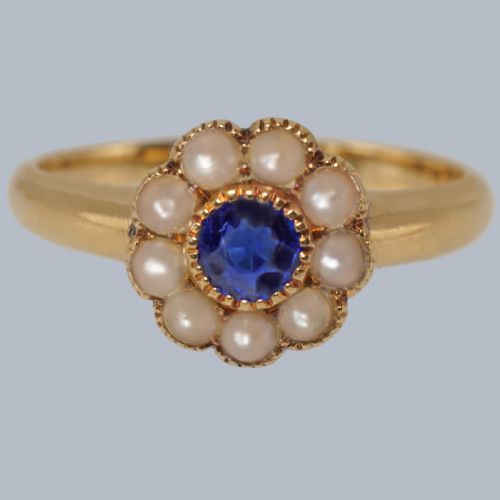
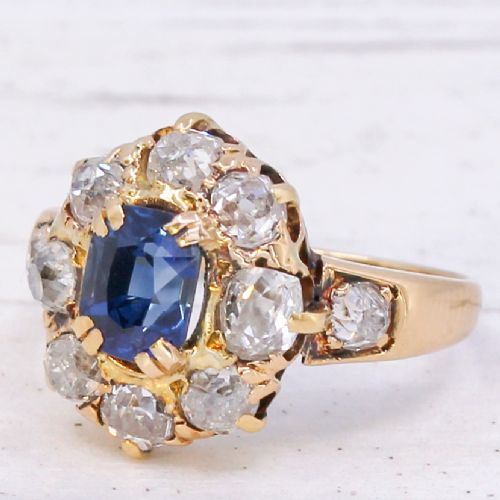
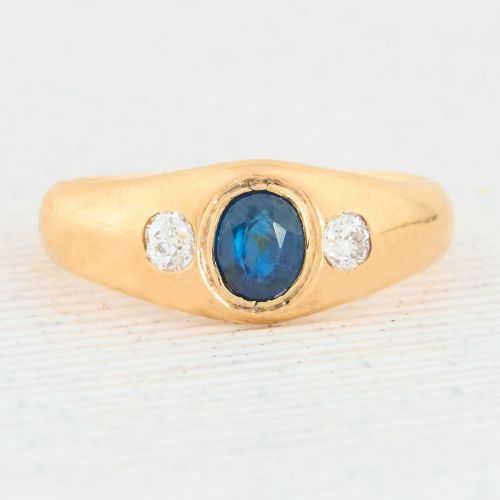
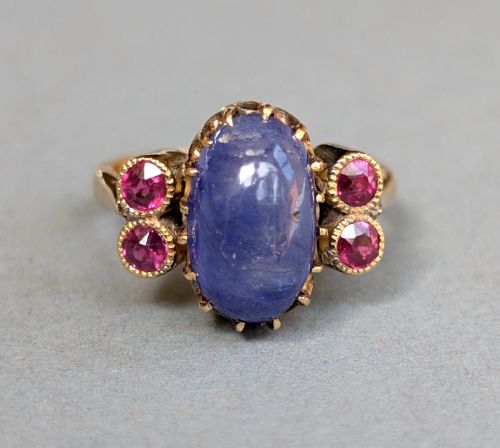
A victorian gold sapphire ring brings together deep blue corundum and warm yellow metal in cluster, boat and gypsy settings designed to catch the candlelight.
Victorian Gold Sapphire Ring
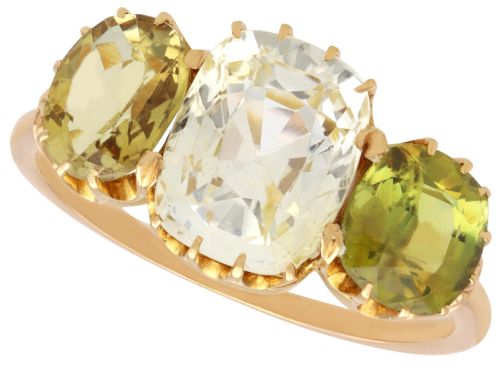
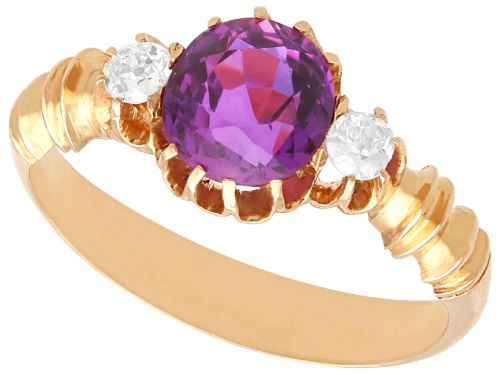
A victorian gold sapphire ring unites nineteenth-century metalwork with precious stones, most frequently appearing in cluster, boat or multi-stone trilogy layouts. The selection here spans authentic nineteenth-century examples alongside later stylistic revivals from the twentieth century.
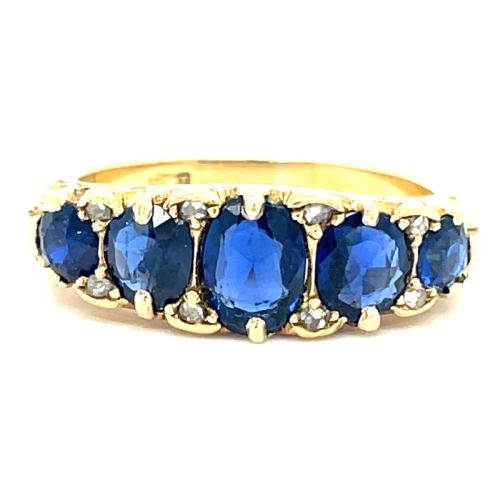
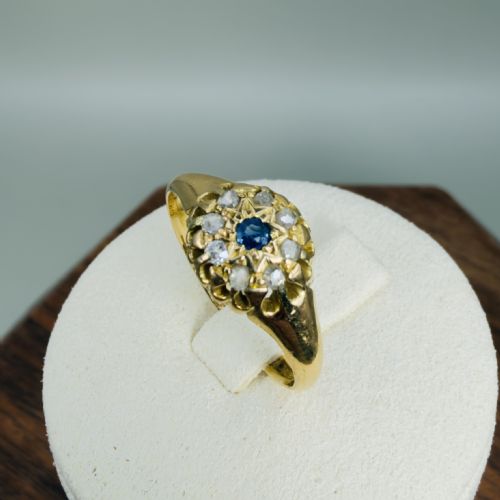
Makers of the period favoured rich yellow gold mountings, working primarily in eighteen-carat purity to frame deep blue sapphires alongside old mined or rose-cut diamonds. Common configurations range from low-profile gypsy settings to elaborate floral clusters and tapering boat shapes.
How they were made
Goldsmiths constructed these bands using cast and hand-wrought eighteen-carat yellow gold, often incorporating claw, bezel or flush starburst settings to secure the gems. Metal components frequently carry British hallmarks indicating assay offices in cities such as Birmingham, Chester and London.
Gemstones were hand-cut with distinct facets such as old mine cuts and rose cuts, which yield softer, broader flashes of light than modern brilliant cuts. Sapphires selected for these rings display varied natural hues, ranging from deep royal blue to lighter tones.
Victorian Gold Sapphire Ring Retail Price Guide 2026
Typical asking prices for victorian gold sapphire ring among the pieces listed under this phrase on Sellingantiques today, from the lower quarter to the upper quarter. They describe what is for sale here now, not the wider market.
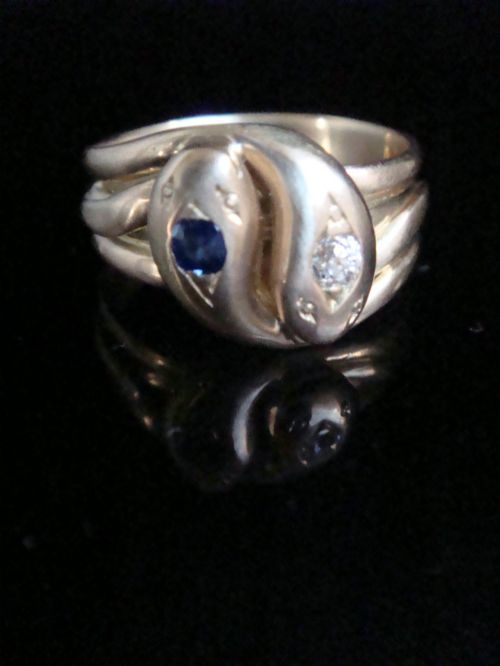
Several serpent rings entwine diamond and sapphire heads around the finger, embodying Victorian symbolism for eternal love and wisdom.
What varies in quality
Quality rests upon the original condition of the gold shank and the integrity of the gemstone settings, where heavier metal weight and crisp, legible hallmarks distinguish superior examples. Wear around the claws and the depth of the sapphire's natural colour profile heavily influence desirability.
The distinction between standard commercial pieces and finer examples lies in the proportion of the design and the optical liveliness of the accompanying diamonds. Hand-engraved shoulders and well-matched stone pairings separate workshops of standard output from master craftsmen.
The Victorian Gold Sapphire Ring Glossary
- Boat ring
- A ring featuring a curved, navette-like setting reminiscent of a hull, designed to sit low across the finger. This layout typically places larger stones centrally with tapering gems toward the shoulders.
- Gypsy ring
- A style where stones are flush-set directly into a thick, tapering gold band, often accented with starburst engraving around the gems. This form was popular for both men and women during the late nineteenth century.
- Old mine cut
- An early diamond facet configuration featuring a square girdle, high crown and small table that maximises weight retention over strict mathematical symmetry. These stones glow softly under low lighting conditions.
- Trilogy ring
- A mounting holding three stones side by side, frequently representing a past, present and future sentiment in nineteenth-century jewellery. Sapphires flanked by diamonds are a common arrangement within this group.
- Cluster ring
- A central gemstone surrounded by a perimeter of smaller surrounding stones, often diamonds or pearls arranged in a floral or geometric outline. This configuration maximises visual impact on the hand.
Victorian Gold Sapphire Ring: Frequently Asked Questions
How do I care for a vintage gold sapphire ring?
Clean your ring using warm water and a soft brush, avoiding harsh chemical ultrasonic cleaners that might damage delicate antique settings or softer stones.
Store the piece separately in a fabric-lined box to prevent the hard sapphire from scratching neighbouring gold or softer gems.
Can I wear a victorian ring every day?
These pieces were built for daily wear in the nineteenth century, but antique mountings require more mindful handling than modern jewellery.
Take the ring off during heavy manual work or gardening to protect the antique gold claws and older stone settings from accidental impact.
How can I tell the original period of the gold?
British hallmarking stamped inside the band provides a reliable guide, recording specific assay office marks, standard purity symbols and date ciphers.
Stylistic cues such as hand-carved shoulders, heavy gauge eighteen-carat gold and specific boat or gypsy silhouettes further confirm nineteenth-century origin.
Are the sapphires treated or unheated?
Many antique sapphires are entirely natural and untreated, while some contemporary listings include specialised gemological reports confirming their unheated status.
Review individual descriptions or gem certificates for specific details regarding origin and thermal enhancement history.