



Victorian Gold and Diamond Bangle
A victorian gold and diamond bangle is a hinged wrist ornament set with diamonds, prized for its classic nineteenth-century craftsmanship and warm precious metals.
Victorian Gold and Diamond Bangle
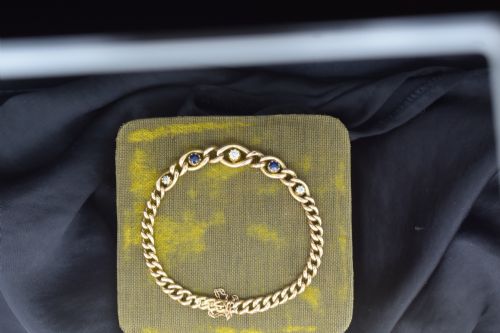
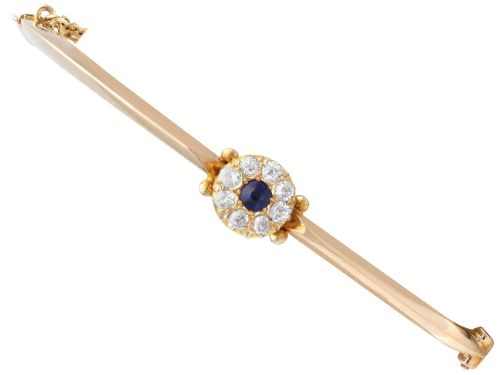
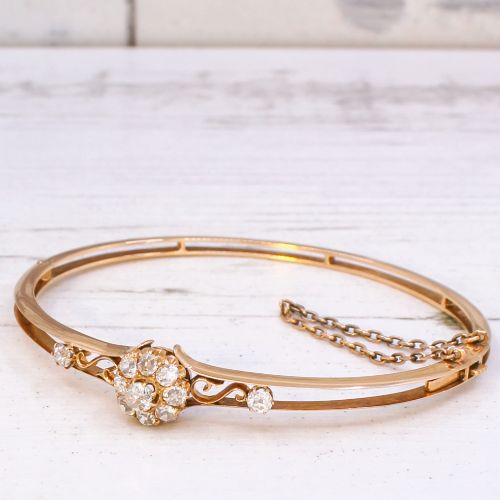
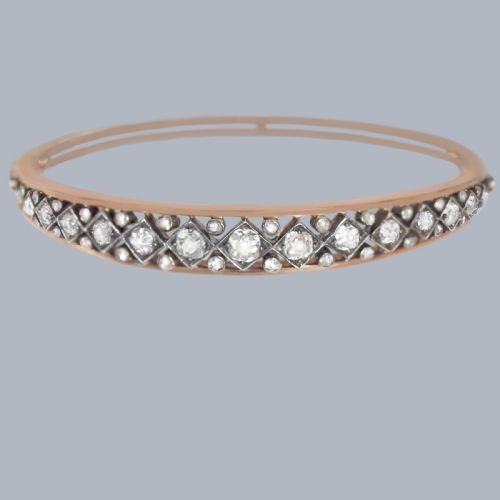
A victorian gold and diamond bangle takes the form of a rigid circular bracelet designed to secure snugly around the wrist with a integrated clasp and safety chain. These pieces originate predominantly from the nineteenth century, spanning decades such as the eighteen-eighties and eighteen-nineties alongside the subsequent Edwardian period.
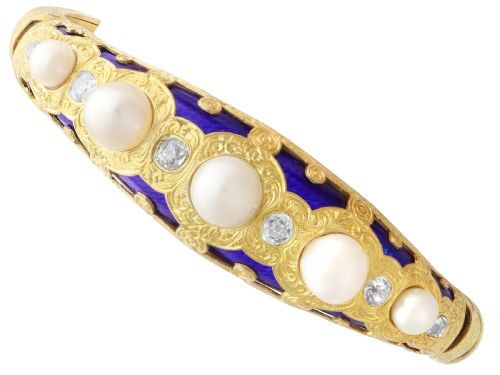
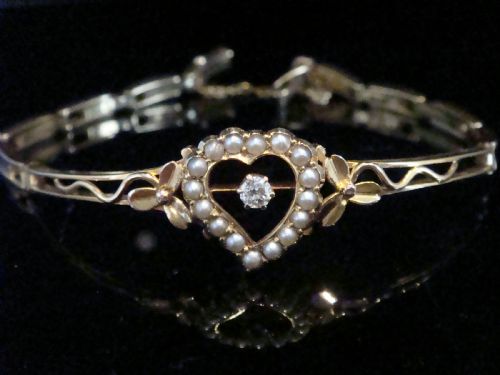
The jewellery relies on substantial gold foundations, often rendered in fifteen-carat or twenty-carat yellow gold, sometimes paired with silver settings to enhance the brilliance of the stones. Gemstone configurations include old mine cut and rose cut diamonds, occasionally accompanied by sapphires, natural pearls, rubies, or enamel work.
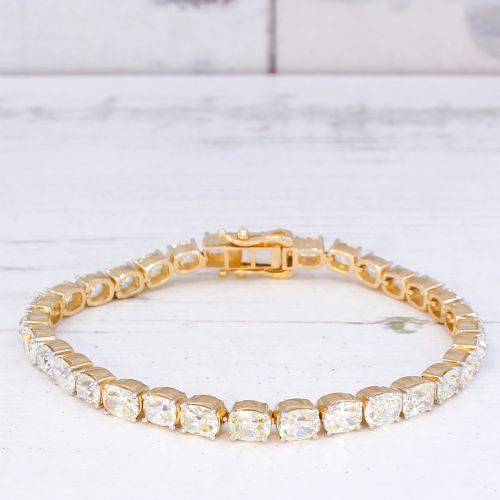
Makers frequently arranged these gems into floral motifs, cluster designs, or graduated rows across the rigid hoop. Buyers meet various formats here, ranging from secure hinged bangles to flexible diamond tennis bracelets.
How they were made
Goldsmiths fabricated the structural bodies of a victorian gold and diamond bangle using high-carat yellow gold, shaping tubes or solid bars into rigid circular hoops. Artisans utilised fifteen-carat and twenty-carat gold alloys, sometimes incorporating matt finishes or integrating silver overlays to hold brighter stones.
Lapidaries shaped the diamonds by hand, producing old mine cuts and rose cuts with distinctively softer facets and open culets compared to modern stones. Craftsmen then mounted these gems using collet settings or bead settings, often complemented by intricate floral engravings and enamel details.
Victorian Gold and Diamond Bangle Retail Price Guide 2026
Typical asking prices for victorian gold and diamond bangle among the pieces listed under this phrase on Sellingantiques today, from the lower quarter to the upper quarter. They describe what is for sale here now, not the wider market.
Listings feature items spanning the Victorian era, nineteenth century, and Edwardian period, constructed from gold, silver, diamonds, sapphires, and natural pearls.
What varies in quality
The distinction between tiers of quality rests upon the weight and purity of the gold alongside the size and cut of the diamonds. Heavier fifteen-carat and twenty-carat gold constructions demonstrate superior substance, while larger old mine cut diamond settings elevate the overall impact.
Refinement in lapidary work and the intricacy of accompanying elements, such as natural pearls, enamel work, or supplementary sapphires, dictate the upper echelon of these pieces. Original structural integrity, including functional hinges and secure clasps, further separates fine examples from lesser items.
The Victorian Gold and Diamond Bangle Glossary
- Old mine cut
- An early diamond cutting style featuring a roughly cushion-shaped perimeter, high crown, small table, and large open culet. These stones were shaped by hand to maximise weight under candlelight.
- Rose cut
- A vintage diamond cut characterised by a flat base and a domed crown covered in triangular facets resembling an unopened rose bud. This style appeared frequently in pieces from the Victorian and Edwardian eras.
- Bangle
- A rigid circular or oval bracelet that slips over the hand or fastens with a hinged clasp. Unlike flexible chains, this form maintains its structural shape during wear.
- Fifteen-carat gold
- A specific gold alloy containing sixty-two point five percent pure gold, widely utilised in British jewellery manufacture during the Victorian period before the introduction of nine-carat and eighteen-carat standards.
- Culet
- The small facet located at the very bottom tip of a gemstone. Older hand-cut diamonds often possess a distinctly visible flat facet at this base.
Victorian Gold and Diamond Bangle: Frequently Asked Questions
How do I wear a rigid gold bangle?
A rigid gold bangle slips onto the wrist by means of an integrated hinge and tongue clasp, which often secures with an additional safety chain. Ensure the safety chain remains fastened to prevent accidental loss during daily movement.
These pieces sit comfortably alongside a watch or other antique bracelets, though storing them individually prevents metal scratching against harder gemstones.
How do I identify a Victorian gold piece?
Victorian gold pieces frequently exhibit higher-carat yellow gold foundations, such as fifteen-carat or twenty-carat metal, alongside characteristic hand-wrought construction methods. Look for integrated hinges, substantial gold weight, and traditional hand-cut stones.
Examine the metal for period hallmarks or stamps indicating the gold standard, noting that unmarked pieces still display stylistic markers like floral motifs and old mine cut diamond settings.
What is an old mine cut diamond?
An old mine cut diamond is a hand-faceted gemstone shape common in nineteenth-century jewellery, displaying a square or cushion outline with rounded corners. These stones feature high crowns and deep pavilions designed to catch ambient light.
Their proportions differ markedly from modern brilliant cuts, possessing smaller tables and a characteristic open culet visible at the base of the stone.
Are these bracelets fragile?
These antique bracelets possess sturdy gold structures designed for regular wear, provided the hinges and clasps receive proper care. The internal mechanisms require gentle handling when opening and closing the hoop.
Avoid wearing delicate gemstone pieces during vigorous physical activities, and store them in soft-lined boxes to protect the gold surfaces and stone settings.