



Victorian Gentleman Weapon
These Victorian gentleman weapon pieces are discreet personal defence tools disguised as everyday walking canes, offering both style and security.
Victorian Gentleman Weapon
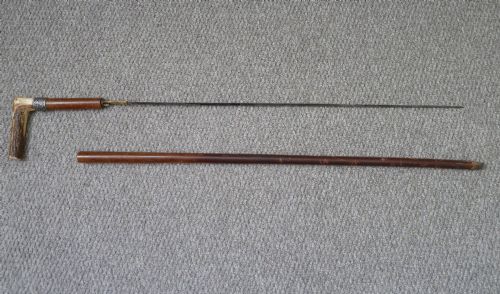
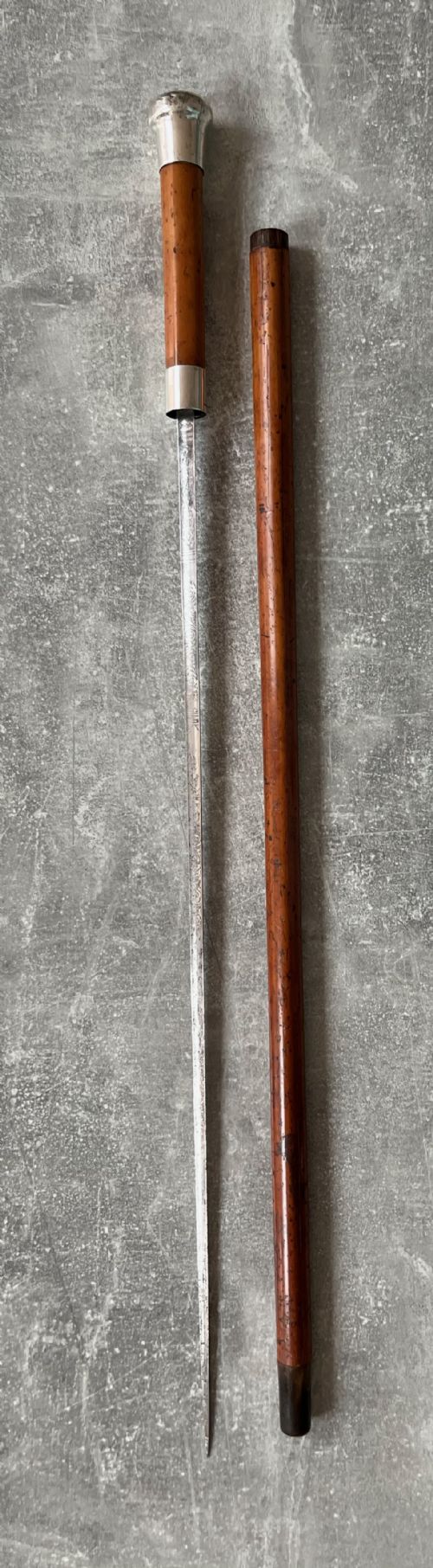
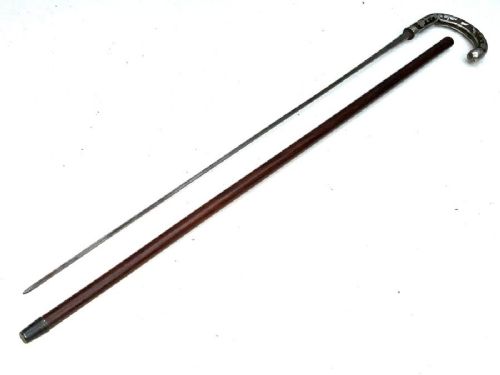
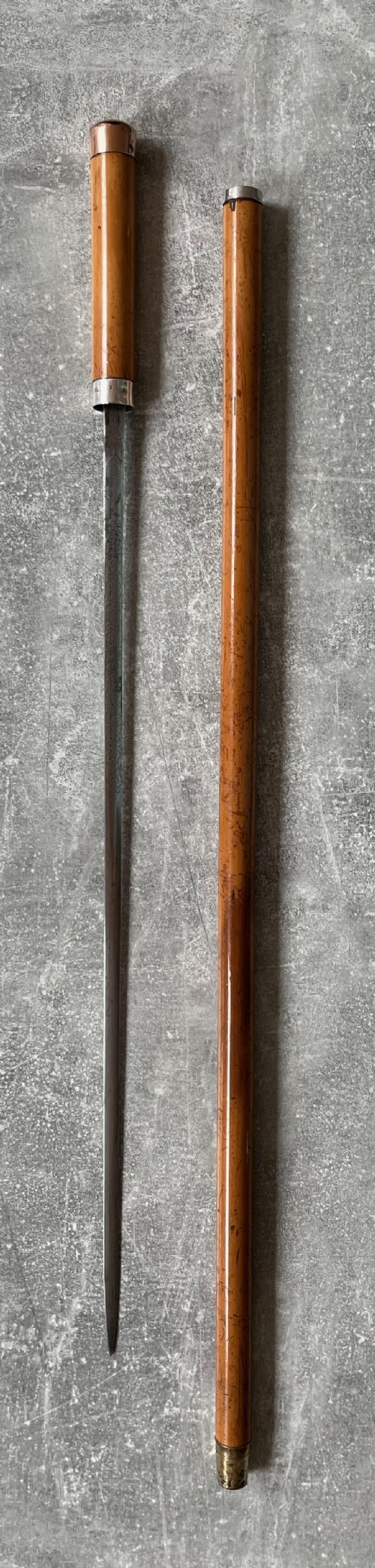
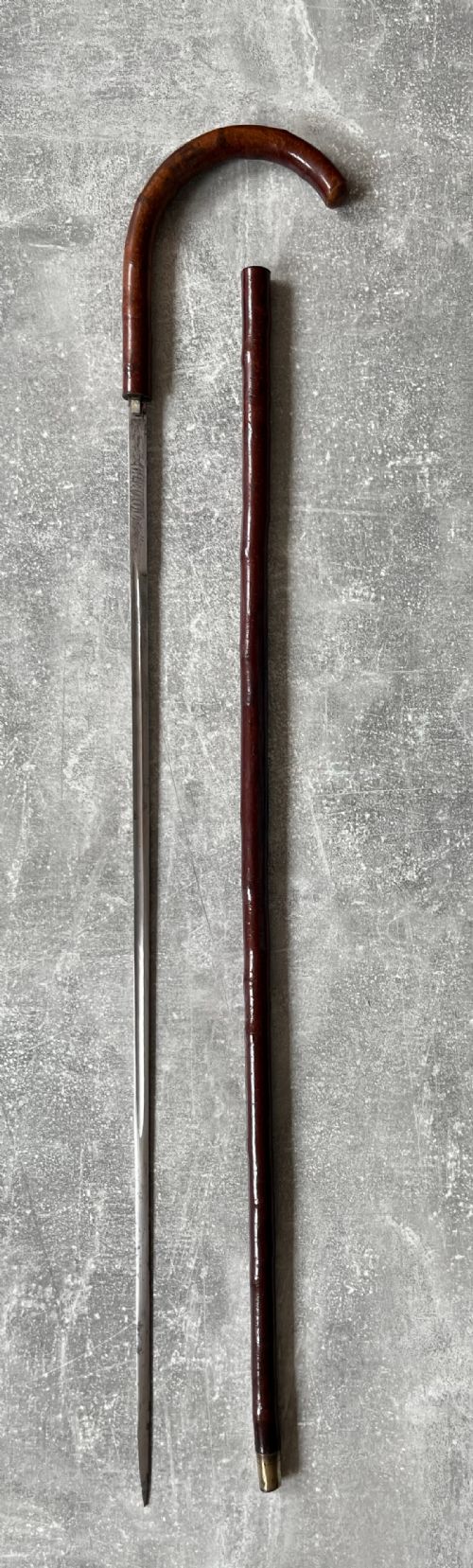
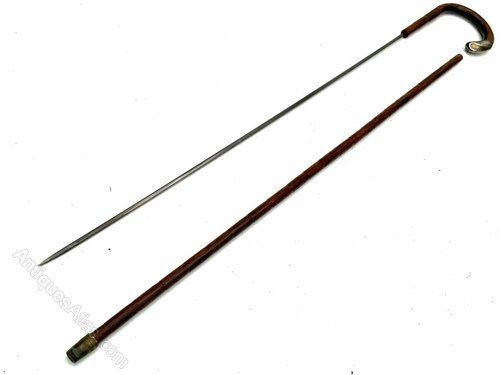
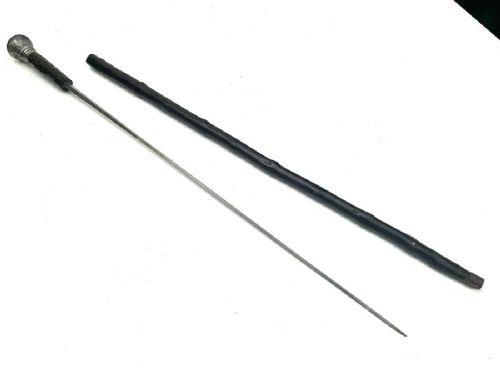
A Victorian gentleman weapon on this page is most frequently encountered as a sword stick or walking cane that conceals a steel blade beneath a wooden shaft and handle. These pieces date from the Victorian period through the early decades of the twentieth century, reflecting a practical approach to personal safety during evening strolls.
The forms vary from simple turned wooden shafts to elaborate examples fitted with precious metal collars or mounted handles. Common regional and stylistic variations include British maker-stamped pieces and nineteenth-century French variants featuring antler handles and specialised coverings.
Makers utilised distinct handle materials such as horn, silver, malacca, cherrywood, and partridge wood to disguise the defensive nature of the stick. Each piece bridges the gap between functional accessory and concealed arm.
Construction and materials
The primary materials combine sturdy natural woods like malacca, rosewood, holly, and cherrywood for the exterior shaft with forged steel for the internal blade. Makers often fitted these shafts with brass, silver, or gold mounts to secure the handle and reinforce the point where the blade enters the cane.
Blades originated from renowned manufacturers and recognised metalworking centres, including Wilkinson and Toledo, ensuring a durable and tempered steel edge. Handles were carved from horn, antler, or root wood, shaped to fit the palm comfortably while maintaining the illusion of a standard walking stick.
Victorian Gentleman Weapon Retail Price Guide 2026
Typical asking prices for victorian gentleman weapon among the pieces listed under this phrase on Sellingantiques today, from the lower quarter to the upper quarter. They describe what is for sale here now, not the wider market.
One French piece goes completely undercover with a haft wrapped entirely in snakeskin and topped with a rugged antler handle.
Assessing quality
Quality rests in the precision of the fit between the wooden scabbard and the internal blade, where superior examples close with a firm click and align seamlessly without wobble. The reputation of the blade maker, such as Wilkinson or Toledo, elevates the standing of an individual piece significantly.
Artisanal detail in the mountings, such as hallmarked silver collars or intricate gold work, distinguishes standard utilitarian items from luxury personal items. The choice of handle material, from plain turned wood to carved horn and antler, also indicates the original tier of the piece.
Wilkinson·Brigg
The Victorian Gentleman Weapon Glossary
- Malacca cane
- A durable rattan stem imported from Southeast Asia, prized for its mottled brown surface and resilience when used for walking sticks.
- Wilkinson blade
- A steel blade produced by the notable British sword maker, recognised for high quality forging and reliability.
- Toledo blade
- A steel blade originating from the Spanish city historically famous for its steel weapons and sword-making traditions.
- Collar
- A metal band fitted around the upper shaft of a cane to strengthen the wood and secure the internal blade mechanism.
Victorian Gentleman Weapon: Frequently Asked Questions
What is a Victorian gentleman weapon?
A Victorian gentleman weapon is a concealed defence item, typically a sword stick disguised as a walking cane used during the nineteenth and early twentieth centuries.
These pieces allowed individuals to walk through city streets with a discreet means of protection hidden in plain sight.
How do you release the blade?
Most sword sticks utilise a simple push-release mechanism, a screw fit, or a catch built into the collar to secure the blade inside the wooden shaft.
Owners would pull the handle sharply to separate the scabbard from the internal steel weapon.
How do you date a sword stick?
Dating relies on the materials, style of the mounts, and any maker marks or stamps found on the steel blade or silver collars.
Comparing the wood type and handle fashion to documented nineteenth-century examples helps narrow down the production era.
Can these canes still be used?
While structurally sound enough to support walking, these items are now collected primarily as historical artefacts and conversation pieces.
Careful handling preserves the delicate mechanisms and the original finish of the wood and metal components.