



Victorian Gaudy Welsh Ceramics
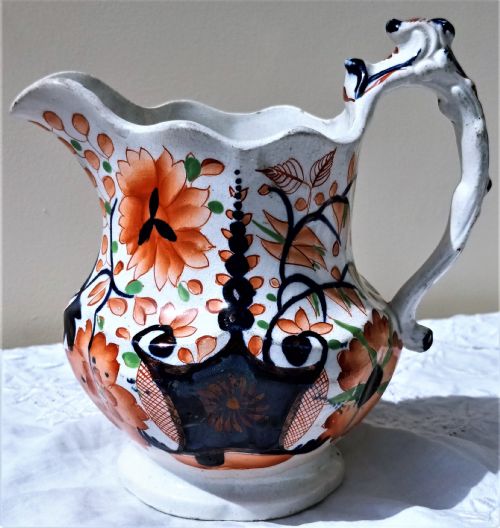
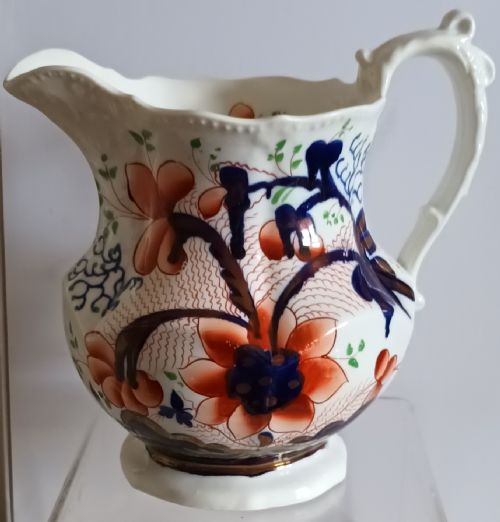
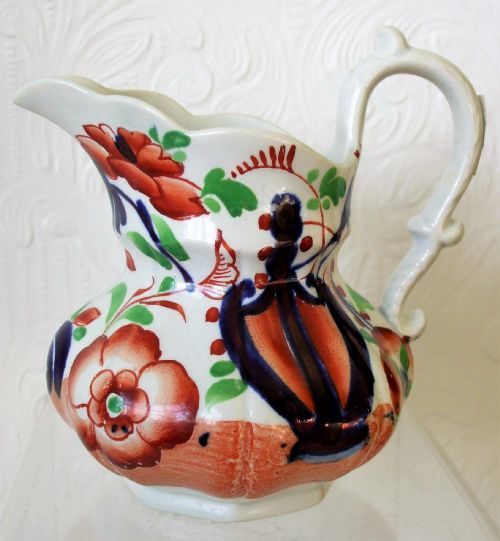
These robust nineteenth century Victorian gaudy welsh ceramics bring vivid folk art patterns and bright copper lustre into domestic rooms.
Victorian Gaudy Welsh Ceramics
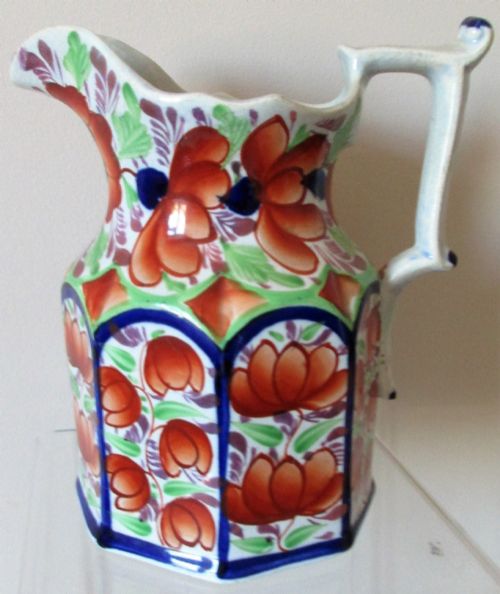
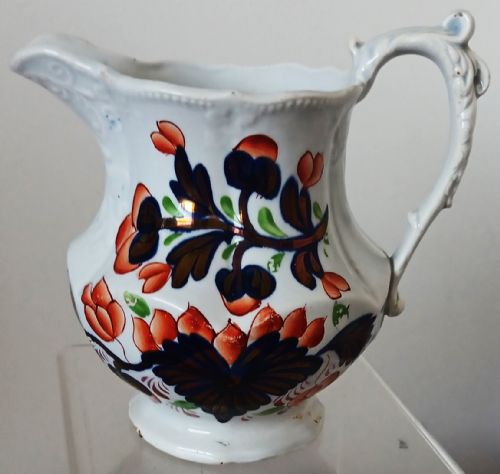
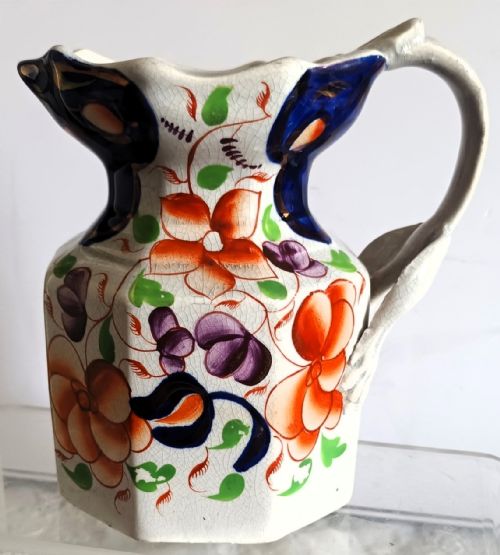
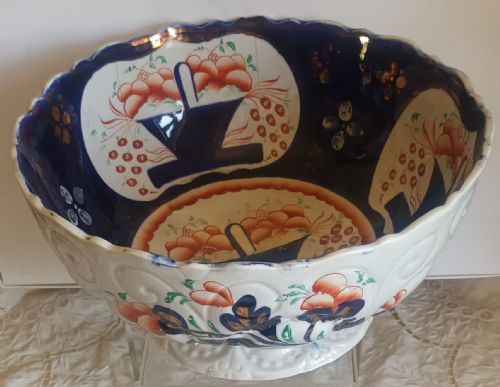
Victorian gaudy welsh ceramics comprise nineteenth century earthenware and pottery pieces decorated with striking, hand-applied enamel colours and metallic copper lustre. When you search for Victorian gaudy welsh ceramics, you encounter domestic vessels and utility items made during the nineteenth century.
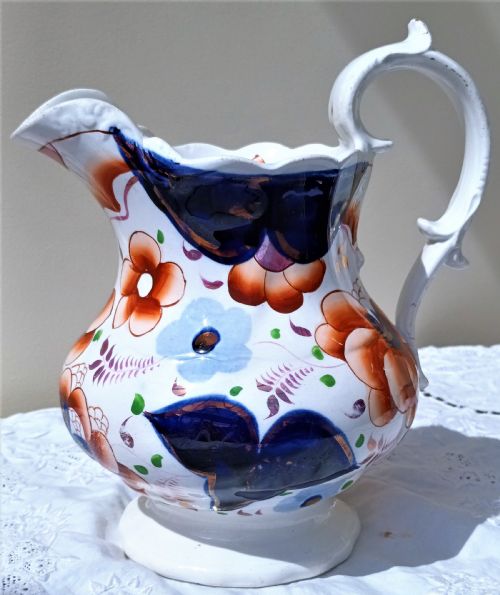
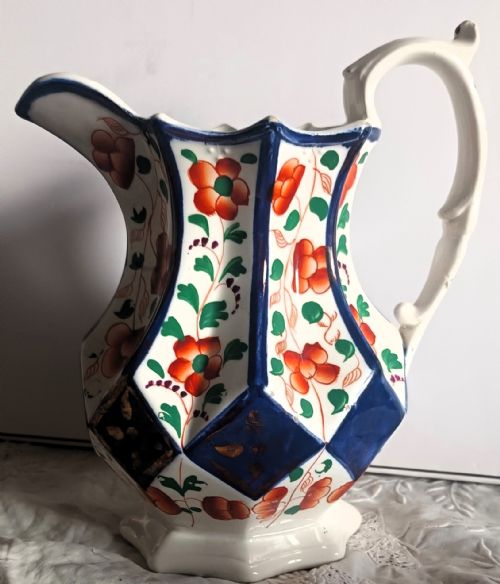
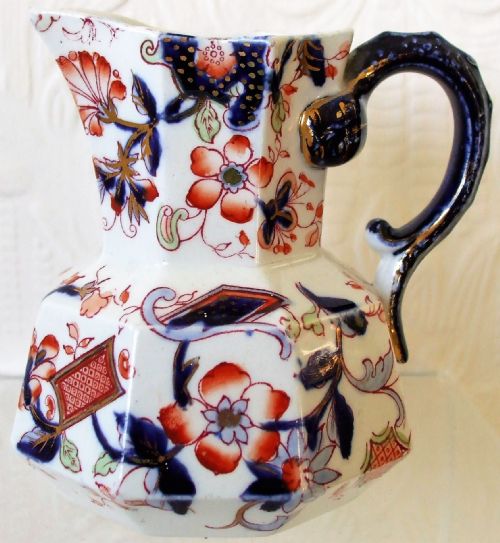
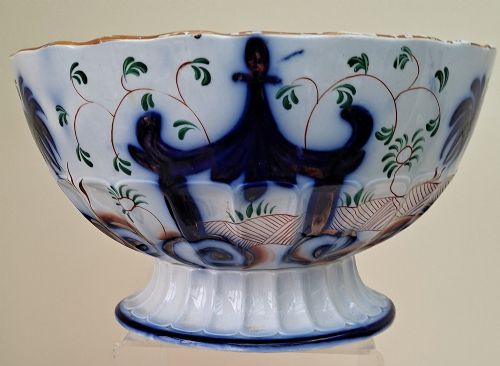
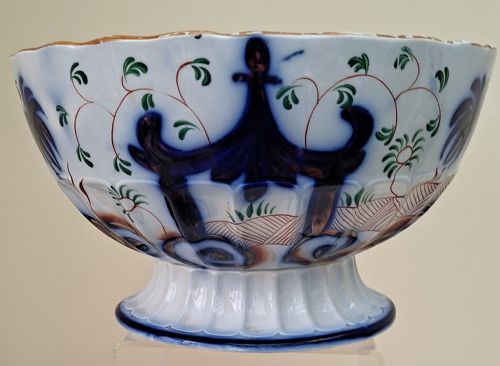
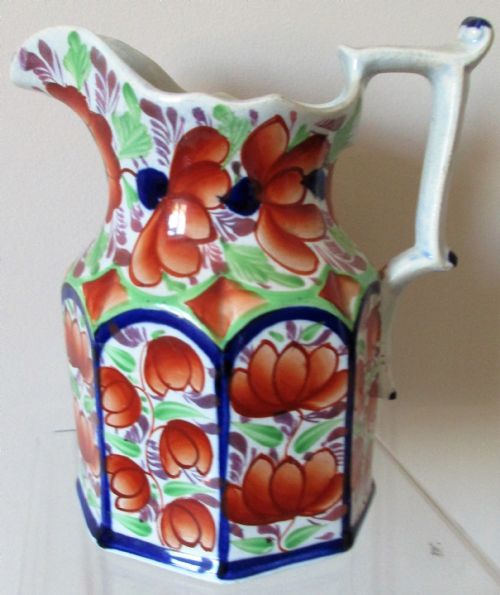
The selection on this page centres primarily upon robust jugs, pitchers, and footed bowls bearing named patterns such as Pagoda, Grape, and Basket of Flowers. Alongside these drinking vessels appear tobacco jars, mugs, and toilet basins intended for everyday household use.
These items represent a distinct branch of Victorian folk art produced for the British home. Their robust earthenware bodies and bright palettes reflect the decorative tastes of the nineteenth century domestic interior.
How they were made
Potters shaped these earthenware and ceramic bodies before applying a smooth glaze to the surface. Cobalt glaze and transparent coatings provided a protective barrier over the porous clay base.
Workmen applied vibrant enamel colours by hand, often incorporating copper lustre to catch the light. The pieces underwent kiln firing to fix the bright pigments and metallic sheens permanently to the ceramic surface.
Victorian Gaudy Welsh Ceramics Retail Price Guide 2026
Typical asking prices for victorian gaudy welsh ceramics among the pieces listed under this phrase on Sellingantiques today, from the lower quarter to the upper quarter. They describe what is for sale here now, not the wider market.
Some jugs carry whimsical names like Celyn and Harlech, preserving forgotten nineteenth century kitchen chatter in vibrant copper and blue.
What varies in quality
Quality rests in the crispness of the hand-painted enamels and the generosity of the copper lustre application. Strong, vibrant pattern work distinguishes superior examples from simpler production pieces.
The complexity of the moulded form also dictates distinction, particularly in footed bowls, pouch jugs, and tobacco jars with matched lids. Heavier earthenware bodies and precise transfer-traced pattern outlines indicate careful workshop execution.
Keeling & Co.
The Victorian Gaudy Welsh Ceramics Glossary
- Earthenware
- Porous pottery fired at lower temperatures than stoneware or porcelain. It forms the heavy body characteristic of these nineteenth century pieces.
- Copper lustre
- A metallic glaze finish imparting a coppery, reflective sheen to ceramics. It highlights rims, handles, and pattern details.
- Enamel
- Opaque glass-like paint applied over the glaze in bright colours. It provides the vivid palette seen in folk art patterns.
- Cobalt glaze
- Deep blue metallic colouring applied under or over the glaze. It frequently outlines or grounds the decorative motifs.
- Footed bowl
- A decorative bowl raised upon a distinct pedestal base. These vessels often feature floral or architectural pattern names.
Victorian Gaudy Welsh Ceramics: Frequently Asked Questions
How do I identify these patterns?
Named designs like Pagoda, Grape, and Basket of Flowers appear across jugs and bowls from the nineteenth century. These motifs combine bright enamels with copper lustre accents.
Studying the specific pattern names helps connect individual earthenware items to their traditional folk art origins.
Were these jugs used daily?
Households utilised these robust earthenware jugs and pitchers for serving liquids at the table. Their thick ceramic walls withstood regular domestic chores.
Over decades of use, the glaze and enamel decoration absorbed the wear of everyday handling.
How should I display them?
Grouping footed bowls and pitchers together highlights the reflective copper lustre and bright enamel palettes. Open shelving allows the colourful folk art patterns to catch natural room light.
Placing them away from direct moisture protects the porous earthenware bodies and metallic surfaces.
What defines the Victorian style here?
The nineteenth century aesthetic prioritised bright, cheerful domestic ornamentation over austere classical forms. Hand-applied enamels and rich metallic lustres satisfied the Victorian desire for colourful interiors.
Folk art influences guided the bold floral and architectural motifs seen on these jugs and basins.