



Victorian Garden Troughs
Victorian garden troughs are substantial metal and stone vessels that bring structure and historic character to outdoor spaces.
Victorian Garden Troughs
Victorian garden troughs encompass heavy cast iron, wrought iron, lead, and stone receptacles designed for planting and display. These items emerge from periods spanning the nineteenth century alongside Georgian and Edwardian examples, though the Victorian pieces anchor the category.
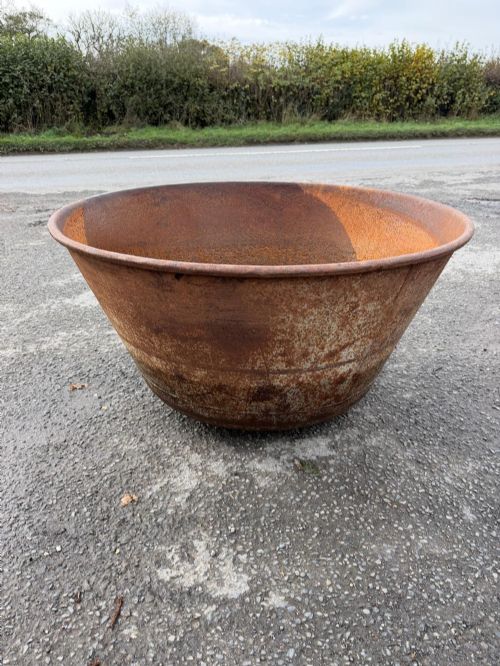
The forms extend beyond simple troughs into garden urns, jardinieres, bird baths, plant stands, and repurposed utilitarian objects such as hay racks and stone sinks. Buyers find both individual vessels and matched pairs suitable for terraces, lawns, and conservatories.
Materials and construction methods
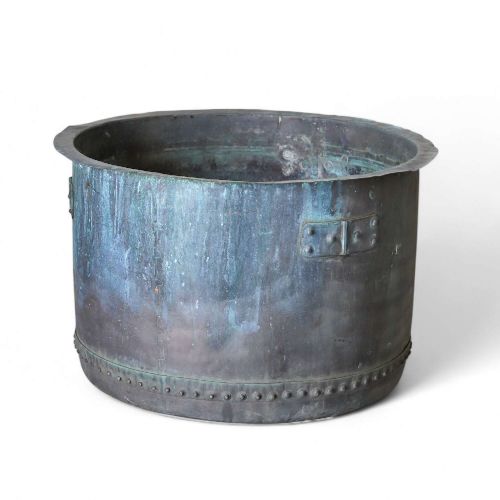
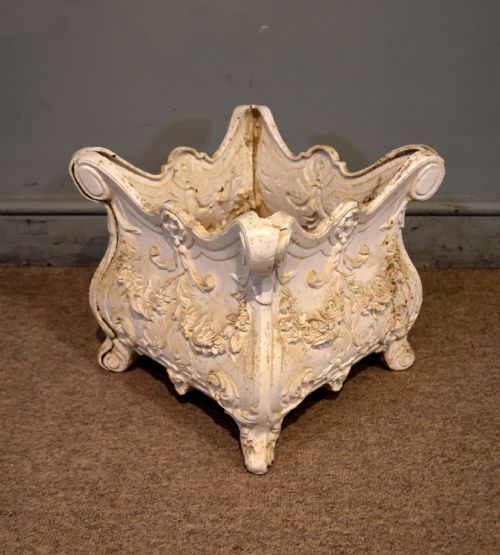
Foundry work dominates the metal pieces, utilising cast iron shaped into decorative urns and planter bodies, often featuring Gothic Revival or rustic detailing. Wrought iron provides strapwork and wirework structures, while copper vessels rely on hand-riveted sheet construction yielding visible joins and natural patinas.
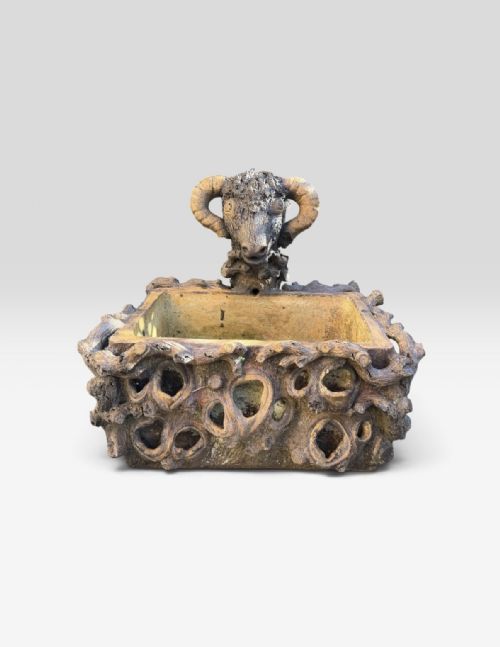
Stone and lead options demonstrate alternative traditions, utilising carved limestone, Purbeck stone, and heavy sheet lead sometimes raised on claw feet. Painted finishes, salt glazing, and zinc elements appear across various forms, reflecting both utilitarian function and ornamental design.
Victorian Garden Troughs Retail Price Guide 2026
Typical asking prices for victorian garden troughs among the pieces listed under this phrase on Sellingantiques today, from the lower quarter to the upper quarter. They describe what is for sale here now, not the wider market.
Some nineteenth-century livestock feeders spent a century holding hay before retiring gracefully to a second career growing miniature ferns.
Gradations in quality and character
Quality rests upon the integrity of the material and the crispness of the casting or hand-carving. Superior ironwork displays deep, well-defined relief in stylistic details like Gothic motifs, whereas lesser examples show softer edges or uniform industrial smoothing.
Surface ageing and structural preservation dictate desirability. Vessels that have weathered naturally with stable patinas, intact rivets, and sound drainage hold greater appeal than those compromised by deep structural fractures or extensive modern repairs.
Coalbrookdale
The Victorian Garden Troughs Glossary
- Cast iron
- Molten iron poured into a sand mould to create rigid garden vessels with ornamental surface detail. This technique allowed Victorian founders to produce repeating classical and Gothic motifs.
- Wrought iron
- Iron heated and hammered by hand into bars and scrolls rather than poured. This material forms the linear wirework and strapwork planters found in period conservatories.
- Jardiniere
- An ornamental pot or stand designed to hold growing plants. These items often stand on raised feet or plinths within gardens and garden rooms.
- Hay rack
- A utilitarian metal feeding trough adapted for horticultural use. These agricultural items bring linear, trough-like proportions to planting schemes.
- Patina
- The surface texture and colour developed through age, oxidation, and weathering. Natural oxidation on copper and iron indicates long exposure to the elements.
- Salt glaze
- A vitreous coating formed by throwing salt into the kiln during the high-temperature firing of earthenware. This treatment creates a durable, glossy, pitted surface.
Victorian Garden Troughs: Frequently Asked Questions
How do I care for cast iron planters outdoors?
Cast iron garden vessels withstand outdoor conditions well, provided they are kept clear of standing ice during freezing weather. Raising the base slightly off the ground prevents moisture retention.
Periodic inspection for surface oxidation helps maintain the metal underneath. Applying a protective wax or suitable exterior treatment preserves the historic surface without hiding the natural weathering.
Can lead and stone troughs stay outside in winter?
Lead and stone troughs possess natural density and weather resistance that suits permanent outdoor placement. Purbeck stone and limestone handle seasonal temperature drops without structural failure.
Ensuring drainage holes remain unblocked prevents water accumulation from expanding inside the vessel. This simple precaution protects both the stone and the lead against frost damage.
What plants suit historic garden troughs?
Shallow-rooted specimens, trailing alpines, and hardy box spheres complement the proportions of nineteenth-century troughs and jardinieres. Wirework plant stands and hay racks accommodate potted arrangements rather than direct soil planting.
Matching the planting style to the period aesthetic enhances the visual impact of the vessel. Restraint in planting allows the weathered stone, lead, or ironwork to remain the primary focus.
How do I distinguish Victorian ironwork from later copies?
Period ironwork displays the irregularities of nineteenth-century casting techniques, including parting lines, hand-finished details, and authentic surface oxidation built up over decades. The weight and thickness of the metal differ from modern reproductions.
Examining fixings, such as hand-driven rivets on copper or traditional joinery on wrought iron, confirms the age of the piece. Genuine examples show consistent wear patterns aligned with historical use.