

Victorian Garden Chairs
Victorian garden chairs bring sturdy outdoor seating to lawns and patios, combining robust metal frames with decorative botanical and architectural patterns.
Victorian Garden Chairs
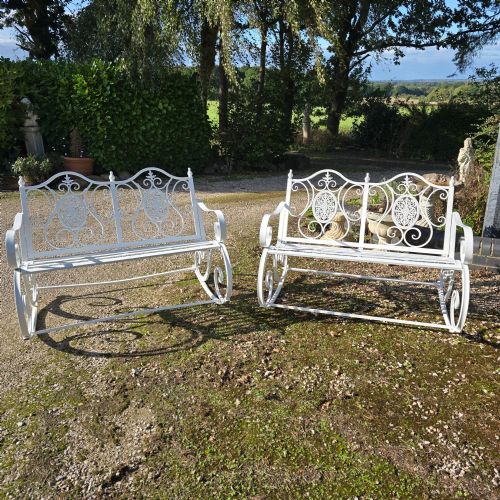
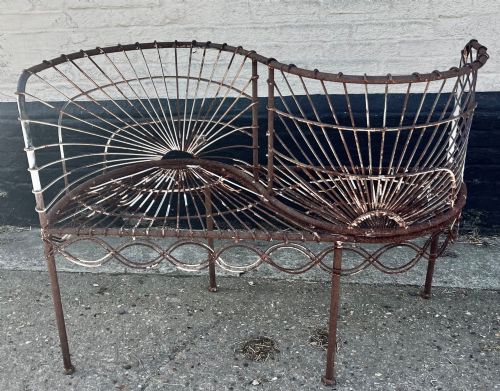
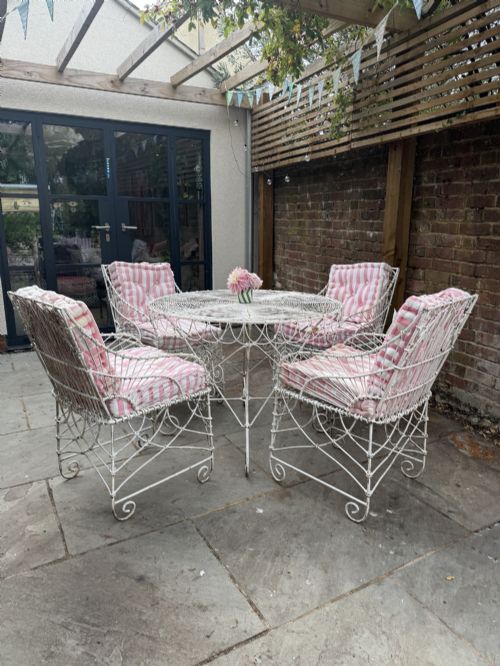
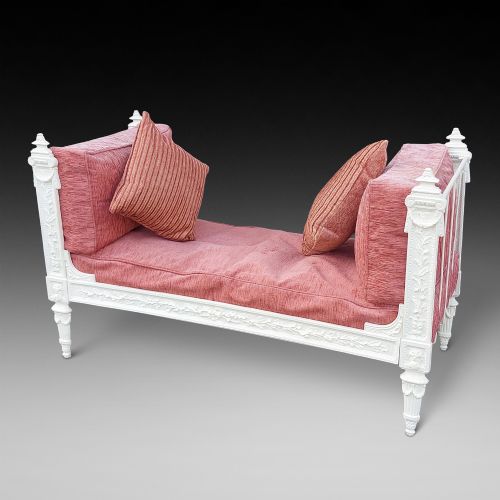
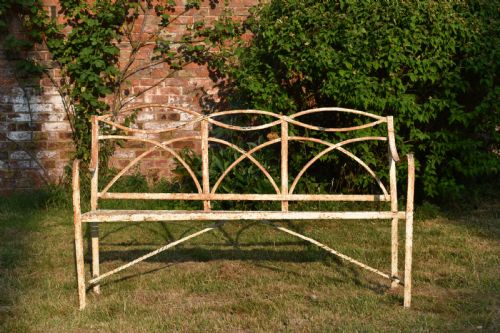
When you search for victorian garden chairs, you encounter robust outdoor seating designed to endure outdoor elements while providing ornate visual appeal. These pieces range from single chairs to extensive dining sets, benches, and daybeds.
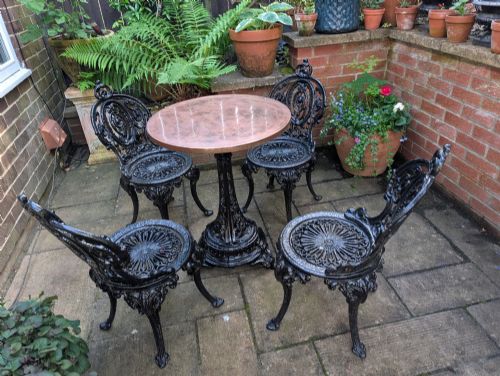
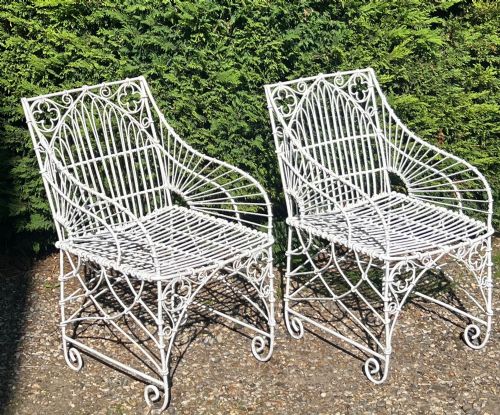
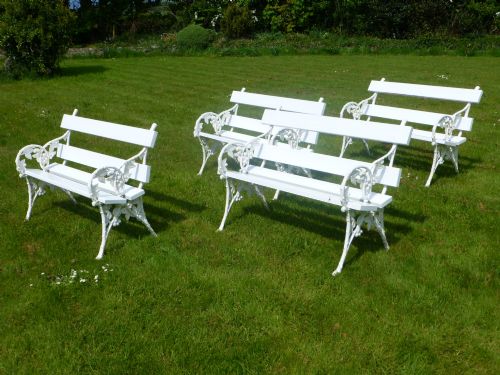
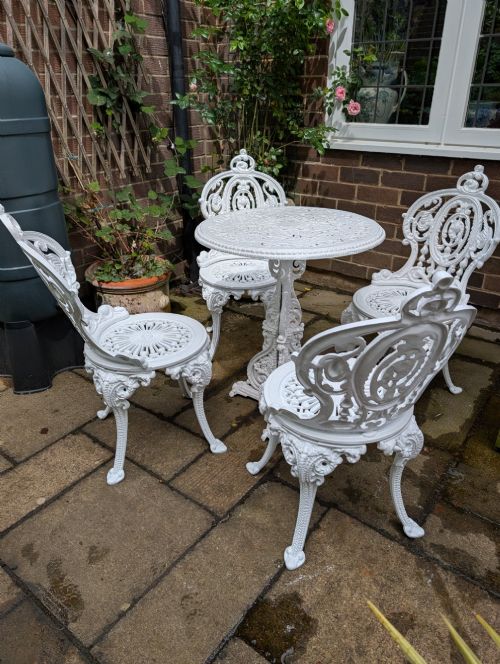
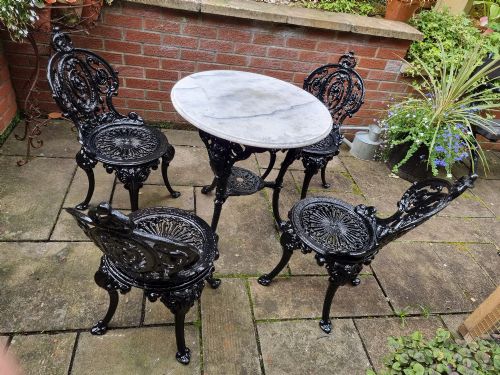
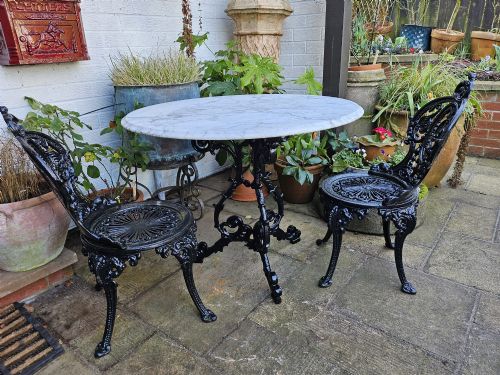
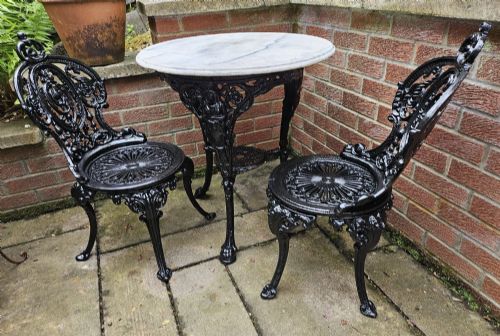
The selections on this page predominantly feature 19th-century and Victorian origins, alongside revival pieces and complementary forms such as bistro sets and wirework tables. Cast iron and wrought iron dominate the offerings, often decorated with botanical motifs like blackberry and leaf patterns.
Architectural influences also surface clearly through Gothic Revival styling and strapwork details. Buyers frequently find matching pairs or complete sets comprising tables and chairs intended for lawn and terrace placement.
Materials and construction methods
The primary construction relies heavily on cast iron and wrought iron, which were shaped into intricate patterns through foundry casting and manual forging. Iron components were often painted to protect the metal from corrosion in damp outdoor environments.
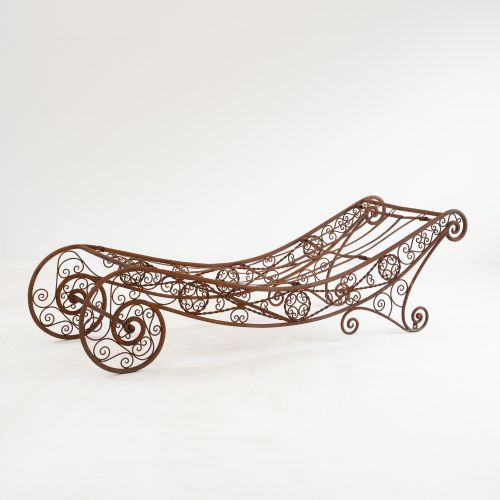
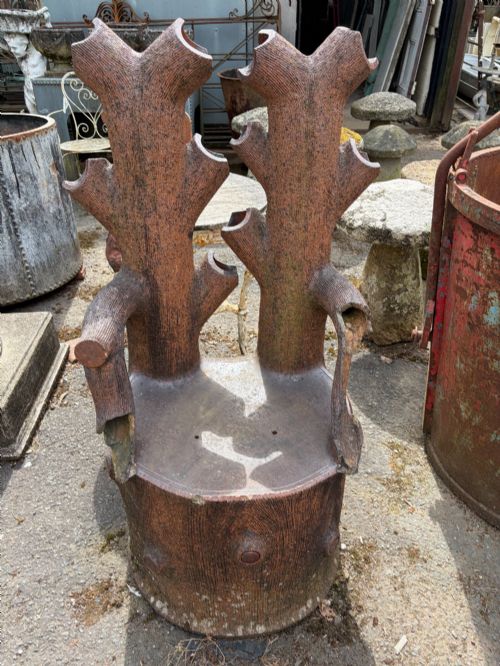
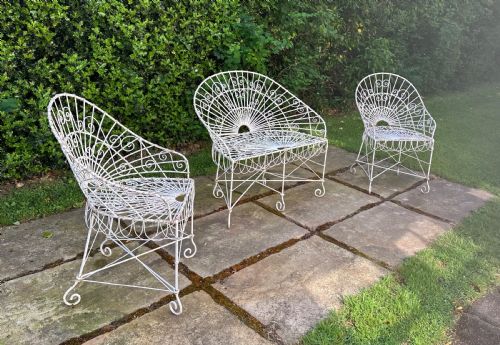
Alternative materials appear in specific forms, including wirework configurations, timber elements, faux bois concrete finishes, and marble tabletops paired with iron bases. Fabric and copper elements occasionally supplement the primary metal structures for upholstery or decorative trim.
Victorian Garden Chairs Retail Price Guide 2026
Typical asking prices for victorian garden chairs among the pieces listed under this phrase on Sellingantiques today, from the lower quarter to the upper quarter. They describe what is for sale here now, not the wider market.
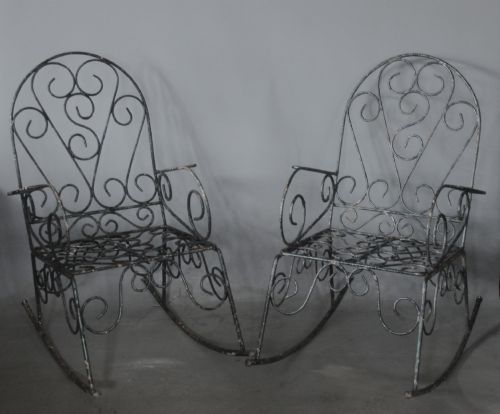
Object forms span garden benches, rocking chairs, daybeds, and complete dining sets with matching tables.
Assessing quality and craftsmanship
Quality separates standard utilitarian output from exceptional foundry production through the crispness of the casting and the depth of botanical relief work. Pieces bearing specific foundry attributions or complex architectural motifs display superior artistry.
The structural integrity of the metalwork, the preservation of original or layered paint surfaces, and the completeness of matching sets heavily influence the desirability of each piece. Surviving examples that retain their original structural pairings command greater appreciation.
Falkirk foundry·Christopher Dresser·Val D'osne
The Victorian Garden Chairs Glossary
- Cast iron
- A sturdy alloy poured into moulds to create ornate, heavy garden furniture with detailed relief patterns. This material forms the backbone of many nineteenth-century outdoor seats.
- Wrought iron
- Iron beaten and heated by hand into shape, resulting in strong yet relatively slender outdoor frames. It offers a distinct tactile finish compared to cast components.
- Gothic Revival
- An architectural style applied to furniture, featuring pointed arches and trefoil decorations. This aesthetic is frequently seen on nineteenth-century iron garden seating.
- Faux bois
- An artistic imitation of wood grain rendered in materials like concrete or iron. It translates organic tree textures into durable garden seats.
- Wirework
- Metal rods bent and interwoven to form light, airy outdoor tables and chairs. This technique produces permeable furniture suited for Victorian lawns.
Victorian Garden Chairs: Frequently Asked Questions
Can these chairs stay outside year round?
Iron garden furniture handles outdoor conditions well due to the inherent durability of the metal. However, severe frost and persistent moisture can affect surface paint and integrity over time.
Protecting the pieces during harsh winter months helps preserve the finish and structural condition. Many owners store them under cover or use protective outdoor covers when not in regular use.
How do I identify a Victorian piece?
Examination of the casting quality, bolt types, and decorative motifs provides clues regarding the period of manufacture. Nineteenth-century examples often feature heavier metalwork and distinct botanical or Gothic styling.
Design patterns registered or produced during the nineteenth century also help establish authenticity. Comparing construction methods with documented foundry catalogues assists in confirmation.
Are complete sets difficult to find?
Matching sets of tables and multiple chairs are less common than individual chairs or benches because outdoor furniture frequently gets separated over decades of use. Finding an intact grouping from the same period is notable.
Pairs of chairs and benches turn up more regularly than four-piece or larger dining sets. When complete sets survive together, they represent cohesive historical groupings for the garden.
How should I clean my iron chair?
Gentle washing with mild soap and water removes accumulated dirt and debris from intricate casting recesses without harming the protective paint layers. Avoid harsh abrasive pads that might strip the surface.
Applying a protective wax or specialised metal coating can help guard against rust formation. Regular inspection ensures any minor surface wear is addressed promptly.