



Victorian Garden Basket
A victorian garden basket brings utilitarian charm to planting, combining sturdy iron and warm copper for practical outdoor use.
Victorian Garden Basket
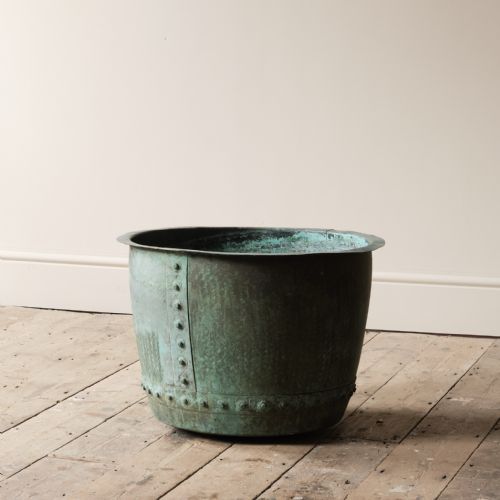
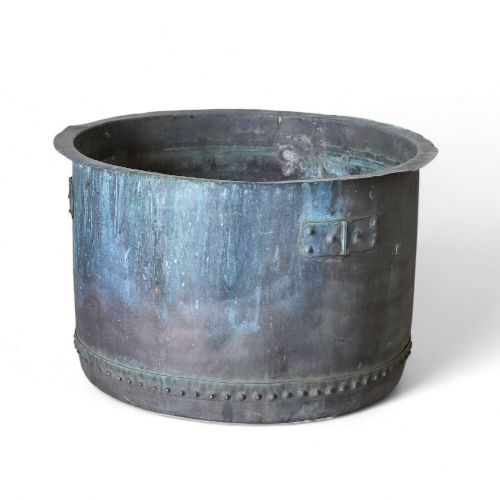
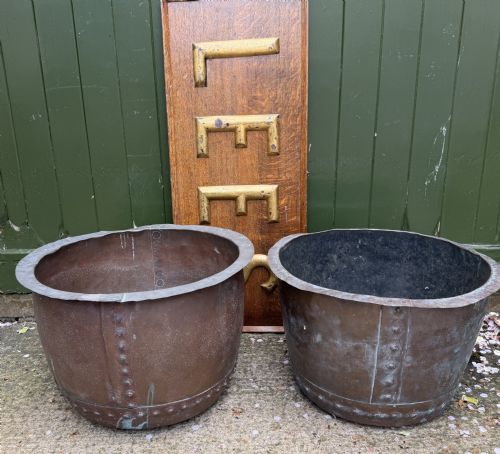
Buyers seeking a victorian garden basket encounter functional utilitarian vessels designed for horticulture, planting, and carrying tasks. These pieces encompass copper pots, iron-bound trugs, and plant stands dating from the nineteenth century.
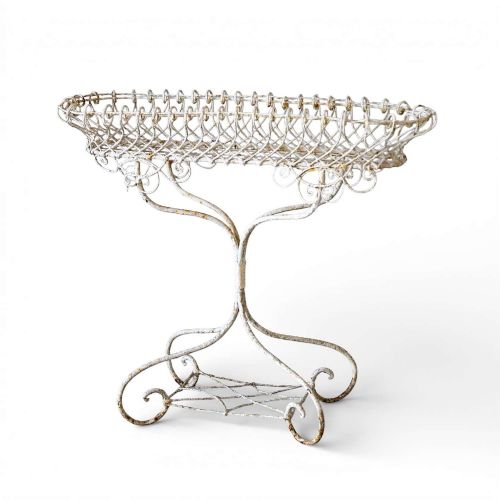
Forms range from large riveted copper buckets to wrought iron plant stands with lattice basket tops. Buyers frequently discover utilitarian items like hay racks and country kitchen work boxes repurposed for modern garden use.
How they were made
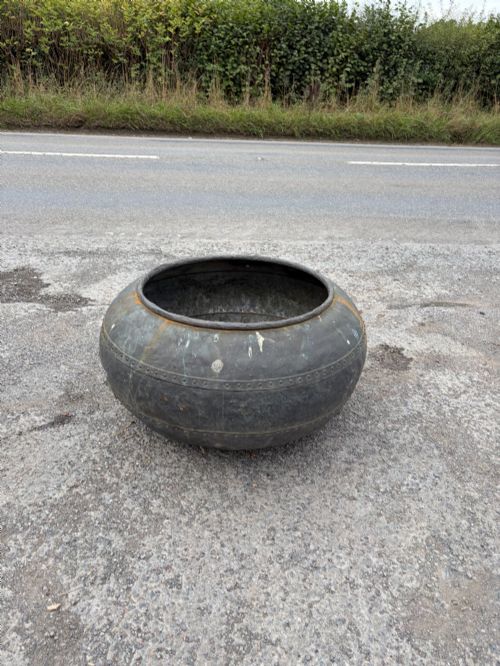
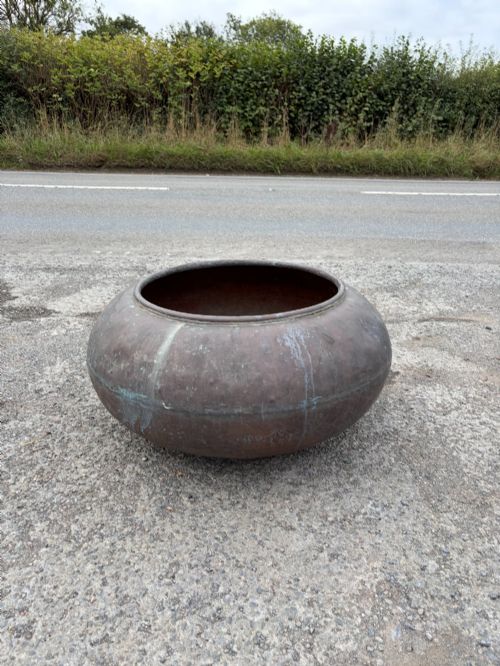
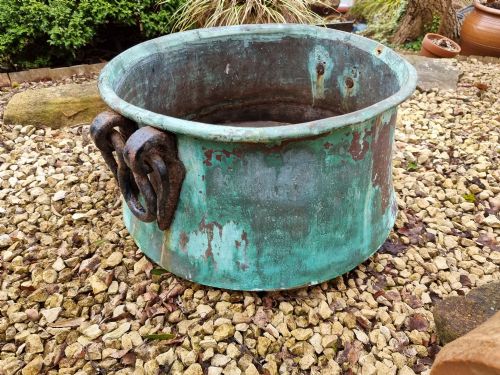
Metal vessels rely on hand-riveted copper sheets joined to form deep containers and buckets, often paired with wrought iron swing handles or bands. Iron components provide structural rigidity through forged scrollwork and lattice frames.
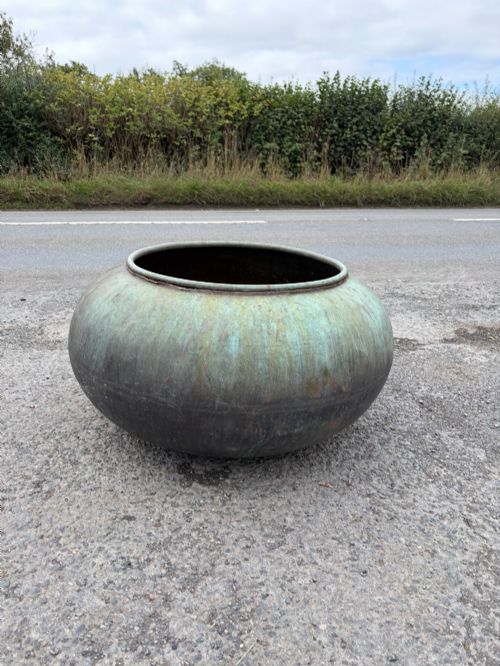
Wooden items utilise oak and pine construction, incorporating iron bindings to reinforce the structure of traditional trugs and work boxes. Surface finishes develop naturally over decades, showing verdigris on copper and weathered patinas on wood and cast iron.
Listings for a victorian garden basket combine copper, iron, wrought iron, oak, and pine across nineteenth-century and Edwardian utility forms.
What varies in quality
Quality rests in the integrity of the original construction, seen in closely spaced hand-riveting on copper bodies and solid forged joints on iron scrollwork. Superior examples retain their original swing handles, structural iron bands, and uncompromised timber bases.
The appeal is enhanced by the depth of natural ageing, where verdigris and patination tell the story of long outdoor service. Pieces with balanced proportions and robust metal thickness command greater interest among collectors.
The Victorian Garden Basket Glossary
- Trug
- A shallow horticultural basket traditionally used for gathering fruit, vegetables, and garden tools. These wooden carrying trays typically feature protective rims.
- Verdigris
- The green patina that forms naturally on copper and brass through prolonged exposure to weather and moisture. This chemical layer protects the underlying metal.
- Cauldron
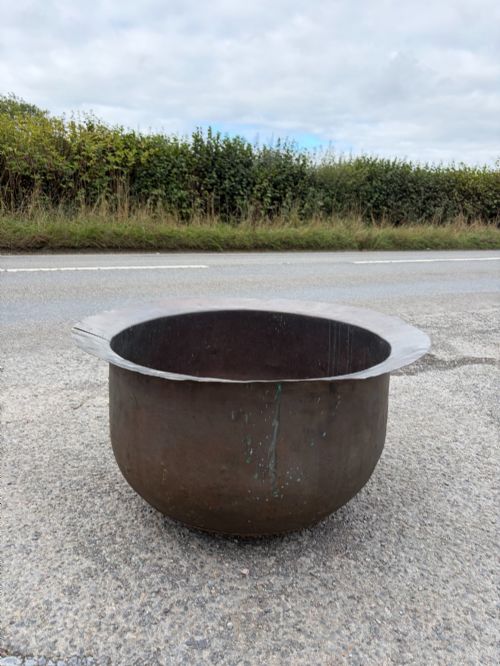
- A large round pot with a swing handle, historically used for boiling or heating. In a garden context, these heavy copper vessels serve as deep planters.
- Scrollwork
- Ornamental metalwork formed into spiral or curved scroll shapes. This decorative technique appears on iron plant stands and structural supports.
Victorian Garden Basket: Frequently Asked Questions
What is a garden trug made from?
Garden trugs in this selection are constructed from timbers such as pine and oak. They frequently incorporate iron bindings to reinforce the body against heavy outdoor use.
These materials provided the necessary strength for carrying heavy loads of soil, bulbs, and harvested produce during the nineteenth century.
How were copper pots originally used?
Large copper vessels and coppers served domestic and agricultural purposes, including boiling water, laundering, and brewing. Their robust metal construction allowed them to withstand intense heat and daily hard work.
Today, these durable containers find a second life as planters and log bins within homes and gardens.
Are these items suitable for outdoor planting?
Copper, cast iron, and wrought iron pieces naturally withstand outdoor conditions due to their durable metallic composition. Timber trugs and work boxes benefit from sheltered placement to preserve their historical pine and oak structures.
Over time, exposure to moisture deepens the verdigris finish on copper surfaces without compromising the vessel.
How do I identify a Victorian piece?
Nineteenth-century items display hand-riveted construction methods and forged iron elements characteristic of period manufacturing before mass production took over. Materials like heavy gauge copper and traditional oak or pine point directly to this era.
Makers utilised manual techniques that leave distinct marks on the metal seams and wooden joints.