



Victorian Furniture Unit
Victorian furniture unit forms encompass practical bookcases, chests of drawers, and tier units built for storage and display across the nineteenth century.
Victorian Furniture Unit
A Victorian furniture unit covers a diverse group of domestic storage and display forms spanning bookcases, chests of drawers, washstands, and multi-tiered whatnots. These items appear across periods from the mid-nineteenth century through to early twentieth-century revivals.
The pieces on this page are most commonly found in sturdy timbers like mahogany, oak, walnut, and rosewood, fulfilling functional roles in bedrooms, libraries, and living spaces.
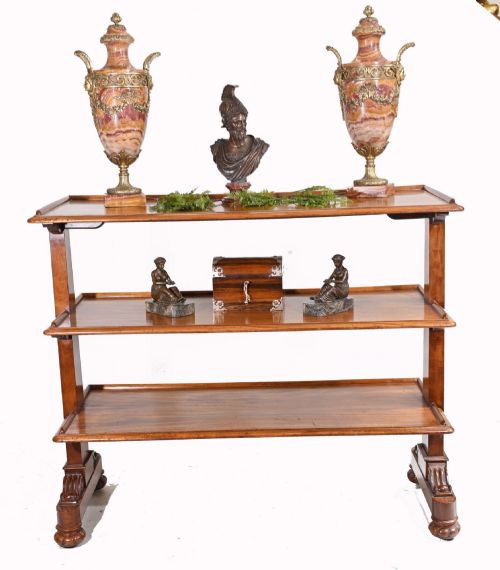
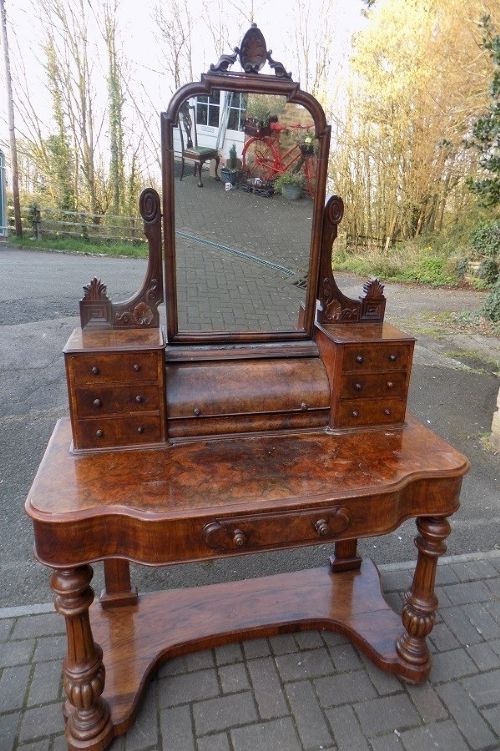
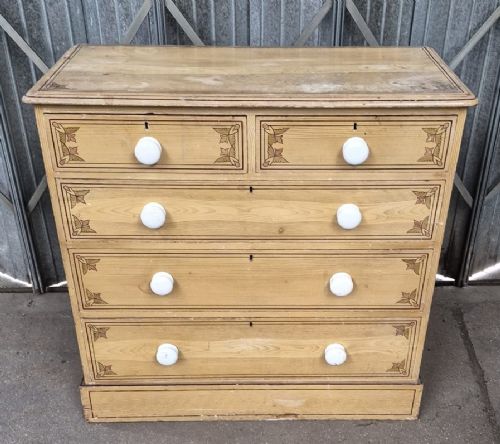
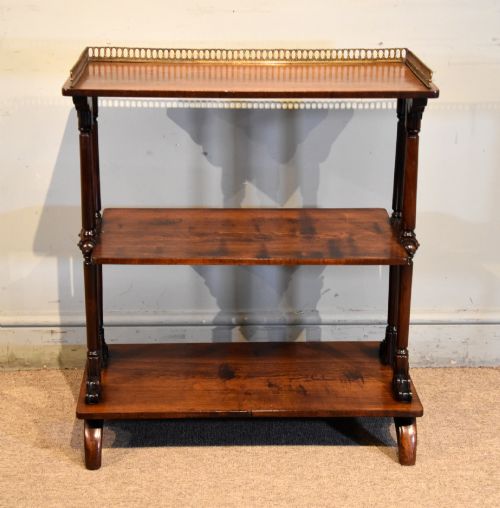
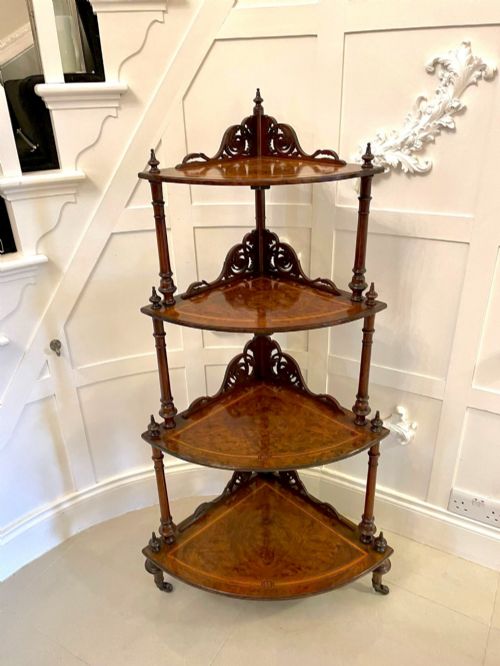
Buyers seeking a Victorian furniture unit encounter varied styles, from simple country pine office chests to ornate burr walnut serpentine whatnots fitted with brass galleries and turned supports.
Materials and construction
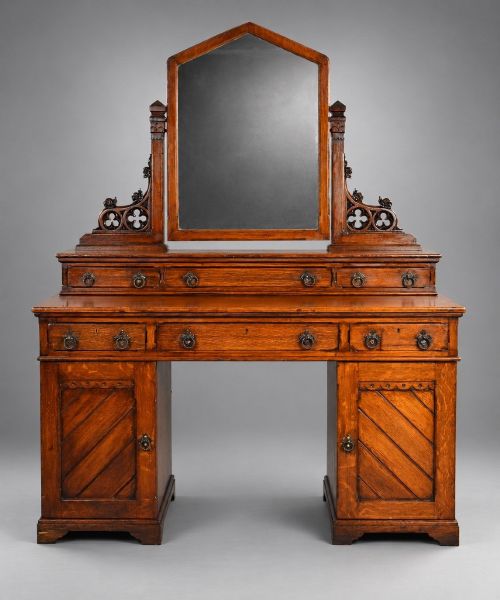
Makers utilised dense hardwoods such as mahogany, walnut, oak, and rosewood for structural integrity, often applying burr walnut veneers to display rich grain patterns on drawer fronts and cabinet doors. Pine served utilitarian storage roles, sometimes painted or finished simply.
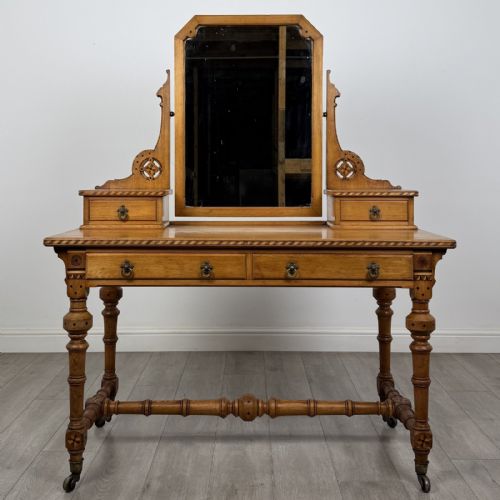
Joinery relied on traditional techniques, whilst metal elements like brass handles, galleries, and hinges provided functional contrast and support. Decorative touches included carved details, barley twist columns, and inlaid borders.
Surfaces were finished to highlight the natural qualities of the timber, whether through polishing dense rosewood or oiling golden oak to create a durable, lustrous sheen.
Victorian Furniture Unit Retail Price Guide 2026
Typical asking prices for victorian furniture unit among the pieces listed under this phrase on Sellingantiques today, from the lower quarter to the upper quarter. They describe what is for sale here now, not the wider market.
Miniature apprentice pieces allowed young woodworkers to demonstrate their mastery of dovetailing and turning before joining a trade guild.
Judging quality in these pieces
Quality rests in the selection of timbers and the precision of the cabinetwork, where superior examples exhibit finely figured burr walnut veneers, well-matched grain patterns, and careful carving. Lesser pieces rely on plain timber and simpler construction methods without decorative refinement.
Hardware and fittings reveal standards of production, distinguishing standard utility items from finer works equipped with original brass galleries, turned feet, and robust adjustable shelving mechanisms.
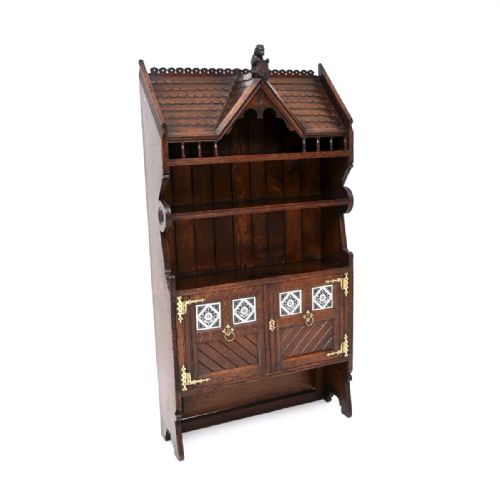
John Moyr Smith
The Victorian Furniture Unit Glossary
- Whatnot
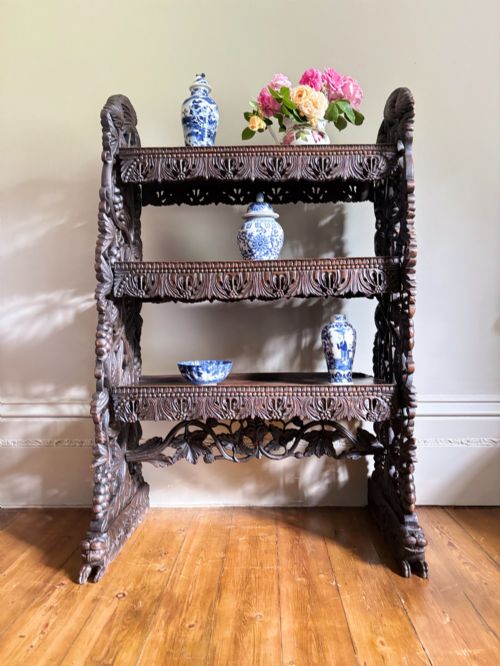
- An open multi-tiered piece of furniture designed for displaying ornaments, books, or small objects. These tiered stands frequently feature three or four levels supported by turned columns.
- Wellington chest
- A tall, narrow chest of drawers secured by a hinged locking stile on one side that fastens with a key. This form originated in the nineteenth century for compact storage.
- Etagere
- A set of open shelves or tiers for displaying small objects, sharing a similar purpose to a whatnot. These French-derived side units often incorporate slender uprights.
- Burr walnut
- Wood taken from the warted excrescence of a walnut tree, yielding complex, swirling grain patterns. Cabinetmakers sliced this wood into thin veneers for decorative surfaces.
- Barley twist
- A type of turning shaped like a spiral resembling a twist of barley sugar. This decorative motif appears frequently on the upright supports of nineteenth-century stands.
Victorian Furniture Unit: Frequently Asked Questions
What is a whatnot?
A whatnot is an open multi-tiered piece of furniture designed for displaying ornaments and books in nineteenth-century interiors. They typically feature three or four shelves supported by turned wooden columns.
These pieces were placed in parlours and drawing rooms to hold decorative objects, ceramics, and reading materials within easy reach.
How do I identify a Wellington chest?
A Wellington chest is a tall, narrow set of drawers distinguished by a hinged locking flap on one vertical edge. This locking bar secures all the drawers simultaneously when fastened with a key.
Originating in the nineteenth century, this compact design provided secure storage for papers or personal items in studies and bedrooms.
What woods were commonly used?
Nineteenth-century cabinetmakers relied heavily on dense hardwoods such as mahogany, walnut, oak, and rosewood for structural durability. Burr walnut veneers were frequently applied to prominent surfaces to showcase decorative grain patterns.
Utilitarian items like office chests were constructed from pine, which was sometimes painted to suit domestic workspaces.
How do I style an open bookcase?
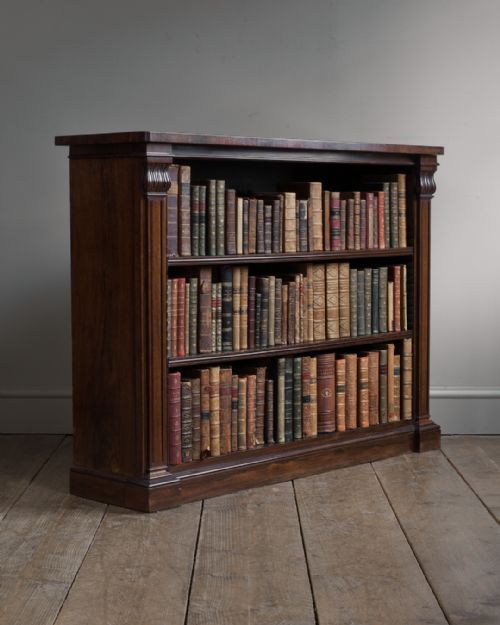
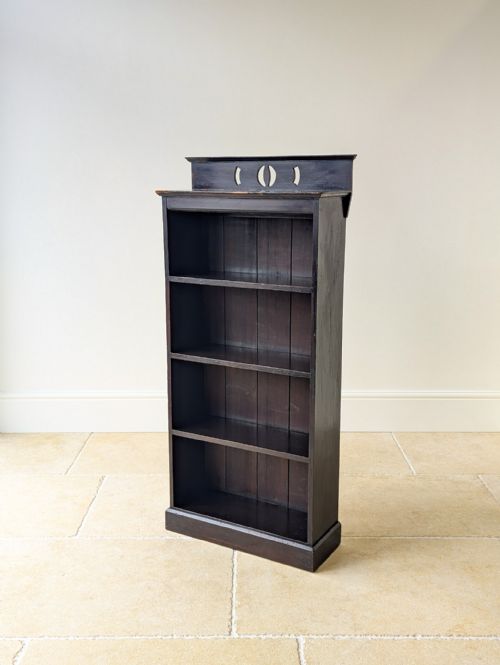
Open bookcases provide functional storage for libraries and living areas, often featuring adjustable wooden shelves to accommodate books of varying heights. Many examples incorporate decorative mouldings and carved details.
These units integrate easily into traditional and eclectic interiors, offering both display space and practical organisation for daily living.