






Victorian Fringe Chair
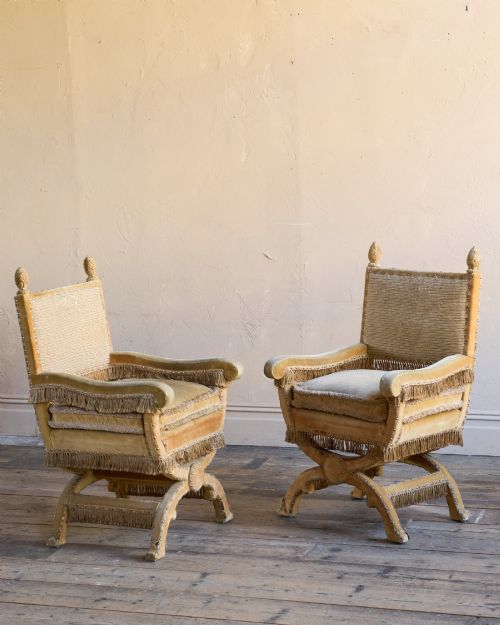
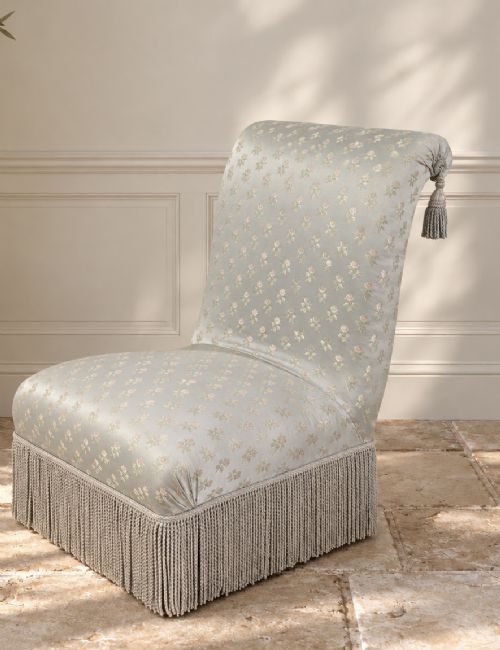
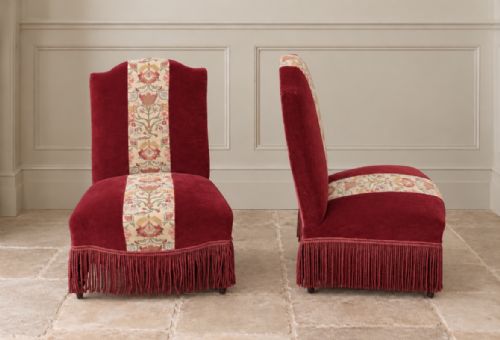
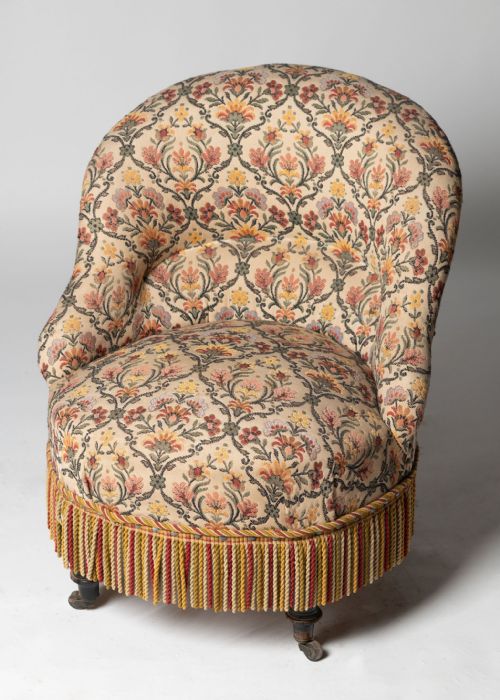
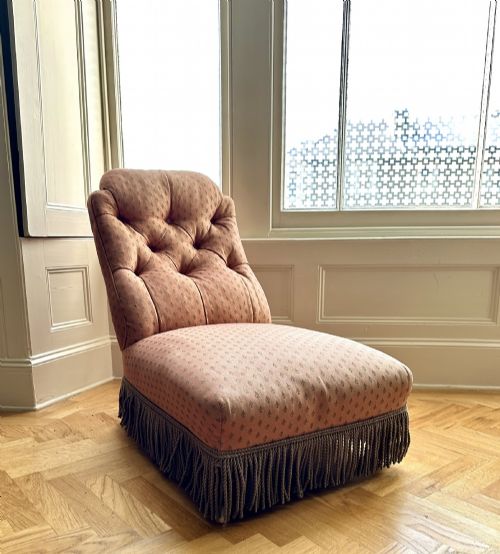
These Victorian fringe chair examples bring low seating, deep upholstery and tactile trims straight into a traditional interior.
Victorian Fringe Chair
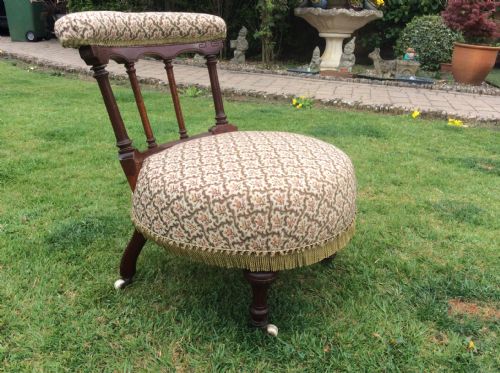
A victorian fringe chair offers low, deep seating designed for comfort and relaxed posture in period interiors. The selection on this page centres on low-slung forms such as slipper chairs, boudoir chairs and compact armchairs.
Makers shaped these pieces during the 19th century and Victorian eras, often incorporating elaborate textile treatments and floor-sweeping trims. They function well as bedroom chairs, accent seats or low parlour seating.
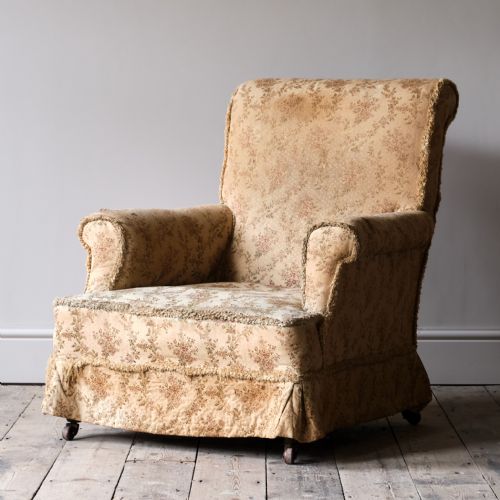
Buyers will encounter various stylistic influences among these pieces, including French Napoleon III, Gothic Revival, Edwardian, Baroque Revival and Howard style designs. The forms range from simple wooden-framed slipper chairs to substantial open armchairs and daybeds.
How they were made
Craftsmen built the structural frames of these chairs using timbers such as mahogany, oak and walnut, providing a sturdy skeleton for the heavy padding. Woodwork often remains visible on legs and arms, while other examples are entirely concealed beneath heavy cloth.
Upholstery defines the construction, utilising velvet, tapestry fabric and woven textiles pulled tight over sprung or stuffed interiors. The signature fringe trim is sewn directly along the base to hide the castors or low wooden feet beneath.
Victorian Fringe Chair Retail Price Guide 2026
Typical asking prices for victorian fringe chair among the pieces listed under this phrase on Sellingantiques today, from the lower quarter to the upper quarter. They describe what is for sale here now, not the wider market.
Fringe trims swept low enough to brush the carpet, keeping cold drafts away from ankles in chilly Victorian drawing rooms.
What varies in quality
The integrity of the underlying timber frame and the historical accuracy of the upholstery dictate the standing of each piece. Superior examples retain their original structural density and supportive padding without excessive sagging.
The quality of the outer textiles and the preservation of the delicate fringe trim separate standard pieces from finer specimens. Original fabric treatments and intact decorative borders elevate the authenticity of the seating.
Gillows·J.Mills
The Victorian Fringe Chair Glossary
- Slipper chair
- A low-set upholstered chair traditionally used in bedrooms for dressing. These pieces sit close to the floor and usually lack arms.
- Fringe
- A decorative border of hanging threads or tassels attached to the base of upholstered furniture. It serves to conceal castors and low wooden legs.
- Open armchair
- A wooden armchair featuring un-upholstered armrests that expose the carved or turned framework. These pieces provide a lighter visual profile than fully padded club chairs.
- Cross-frame
- A structural furniture base formed by intersecting wooden members beneath the seat. This configuration offers additional stability to the chair frame.
Victorian Fringe Chair: Frequently Asked Questions
What is a Victorian fringe chair?
A Victorian fringe chair is a low-slung, heavily upholstered seat featuring a decorative textile fringe along the base. These pieces were designed for parlours and bedrooms.
They combine comfortable padding with decorative fabrics like velvet and tapestry, often sitting on low castors to ease movement.
Where did people use these chairs?
Households placed these chairs in bedrooms, boudoirs and sitting rooms where relaxed, low seating was preferred. Their compact height suited dressing areas.
They function well today as accent chairs in living spaces or reading corners, adding period character to a room.
How do I identify the period?
Identifying the period involves looking at the timber frame, upholstery style and framing techniques. Victorian and 19th-century pieces often display specific revival styles like Gothic or Baroque.
Examining the materials and construction methods helps separate 19th-century originals from later Edwardian or 20th-century interpretations.
Are the fringes original?
Fringes experience heavy wear and tear over time, meaning many surviving chairs feature replacement trim. Examining how the fringe is attached helps determine its age.
Even when replaced, a correct period-style fringe maintains the intended aesthetic and historical appearance of the chair.