
Victorian French Seating
Victorian French seating brings continental flair into British rooms, combining plush upholstery and carved frames for practical lounging and formal reception.
Victorian French Seating
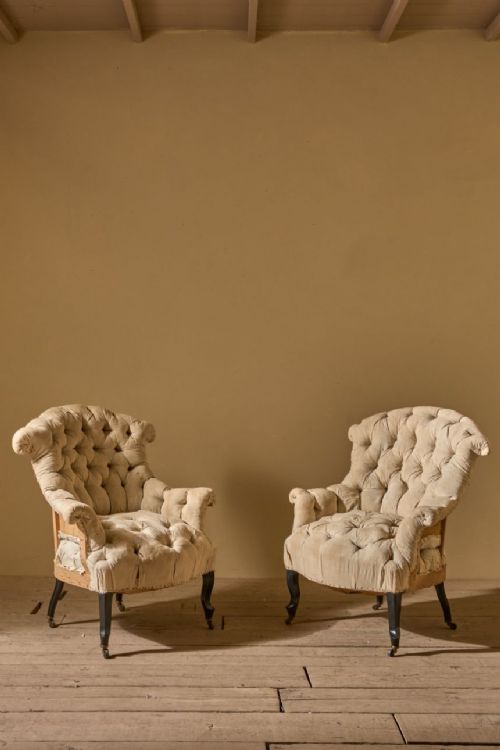
Victorian French seating encompasses an array of upholstered and wooden forms designed for salons, drawing rooms, and gardens during the nineteenth century. Buyers searching for victorian french seating typically encounter armchairs, salon suites, chaises longues, and stools displaying distinct continental influences.
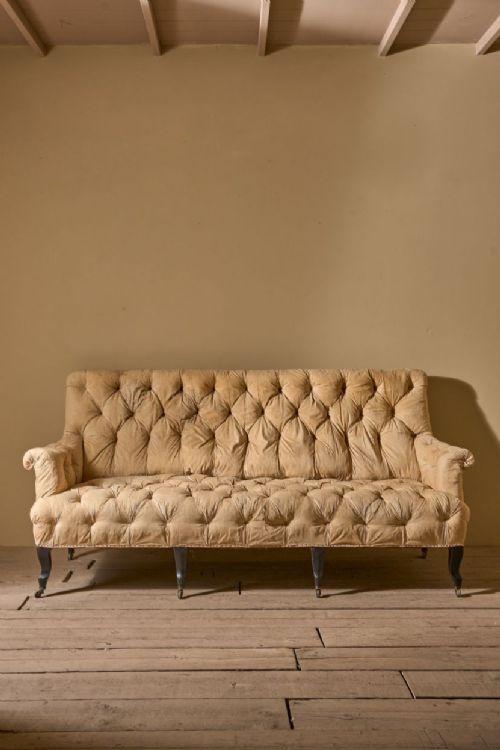
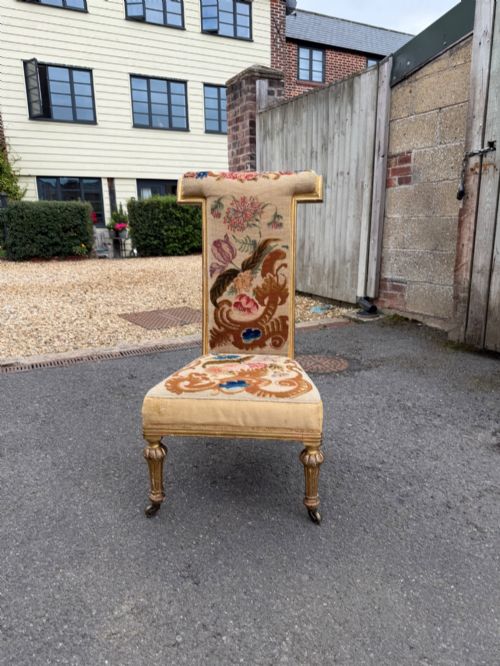
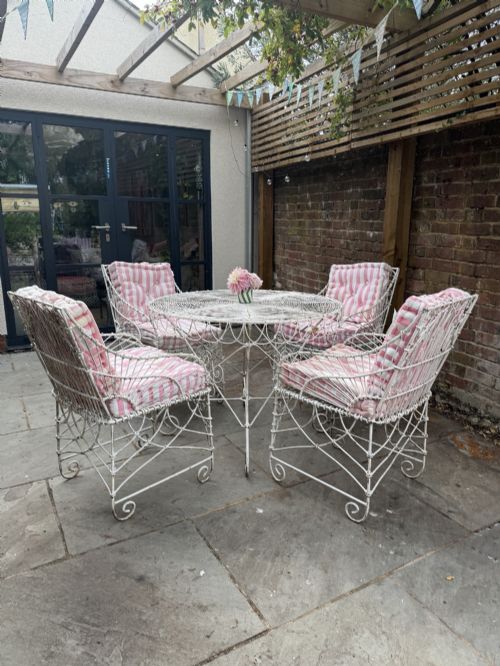
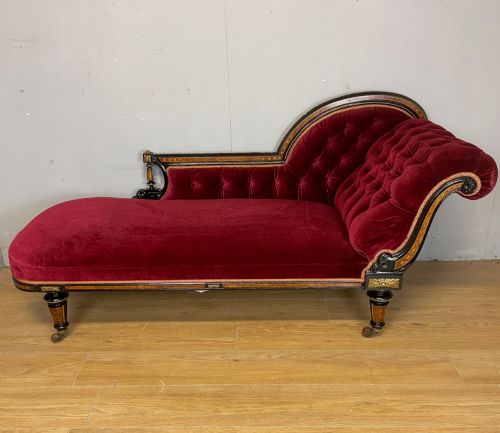
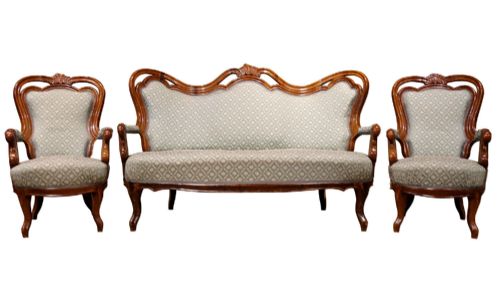
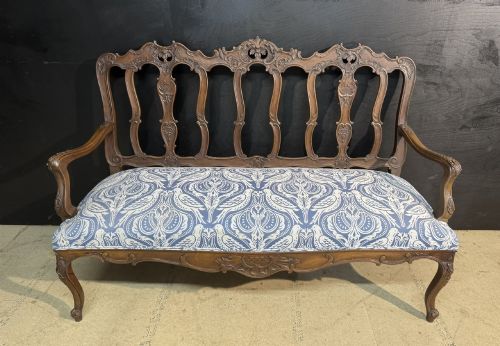
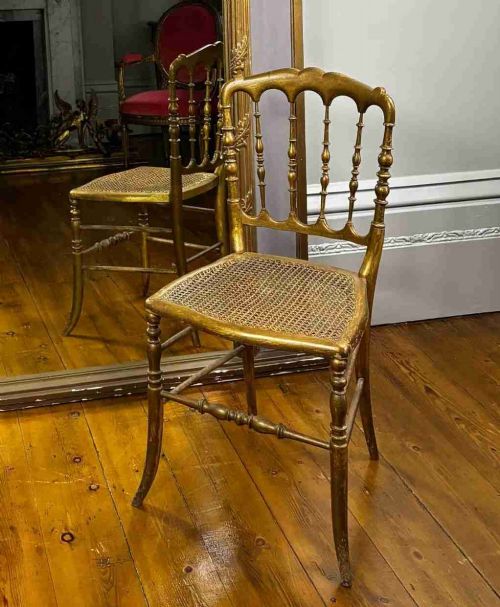
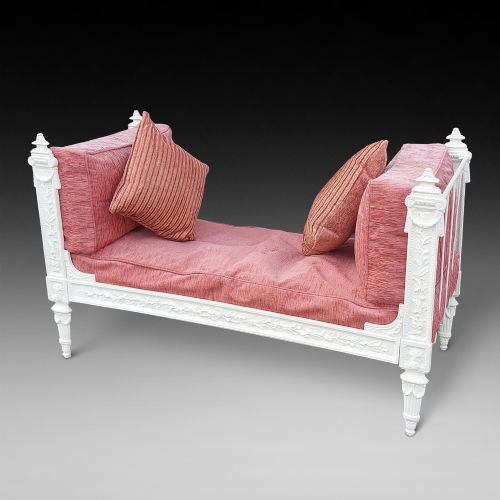
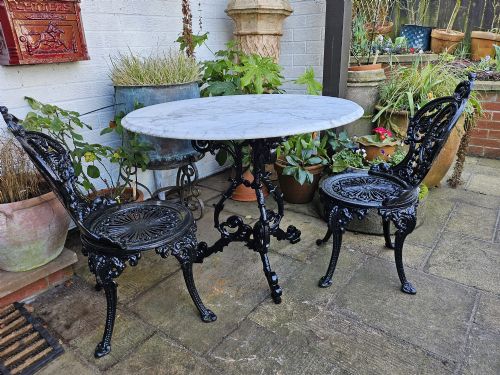
The pieces on this page span the nineteenth century, including specific periods such as eighteen eighty, eighteen ninety, and nineteen thirty. Formats range from large three-seater couches and buttoned-back sofas to single prie-dieu chairs, daybeds, and garden benches.
Makers and designers drew upon historical French aesthetics, producing items shaped by Rococo Revival, Napoleon III, and Louis XV styles. These seating options served both domestic leisure and formal interior display, reflecting the eclectic taste of the Victorian period.
Standards of Craftsmanship
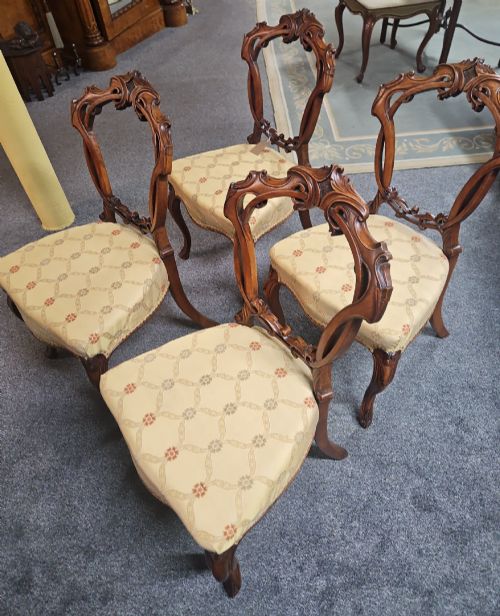
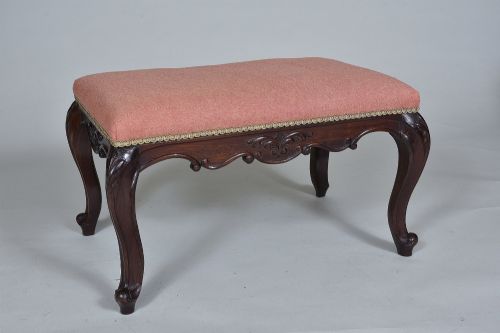
Quality in these pieces rests upon the precision of the timber carving and the integrity of the frame construction. Superior examples display deeply sculpted cabriole legs, crisp ormolu mounts, and finely cast metalwork rather than cast substitutes.
The standard of upholstery and the retention of original decorative elements such as giltwood finishes distinguish finer items. Pieces featuring matched salon suites or integrated inlaid panels demonstrate higher workshop ambition than standard utilitarian chairs.
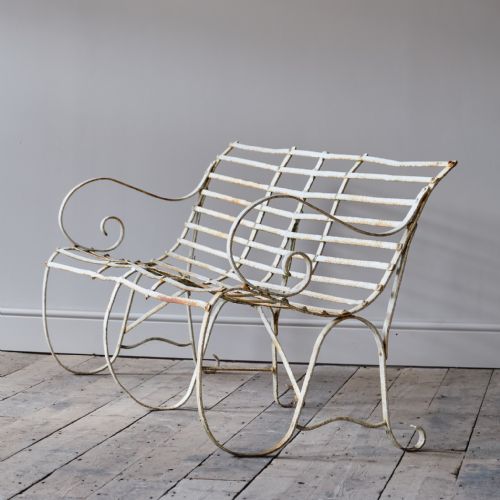
Listings include nineteenth-century materials such as walnut, mahogany, giltwood, velvet, and wrought iron across various seating forms.
Alfred Dubucand·Honore Cavaroc·E Villanis
The Victorian French Seating Glossary
- Fauteuil
- An open-armed upholstered armchair with exposed wooden sides, originating in France. These chairs typically feature carved frames and padded armrests.
- Ormolu
- Gilded bronze ornamentation applied to furniture and decorative objects. This technique creates a metallic gold finish on decorative mounts.
- Cabriole leg
- A furniture leg that curves outward and then tapers inward, finishing in a pad or foot. This design mimics the shape of an animal's leg.
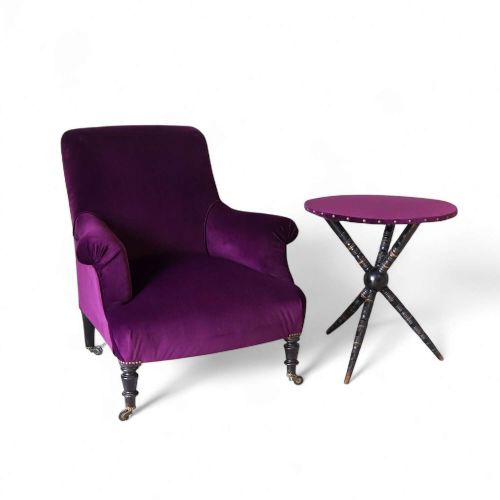
- Ebonised
- Wood treated with a dark finish to imitate ebony. This process gives lighter timbers a dense, black appearance.
- Bergere
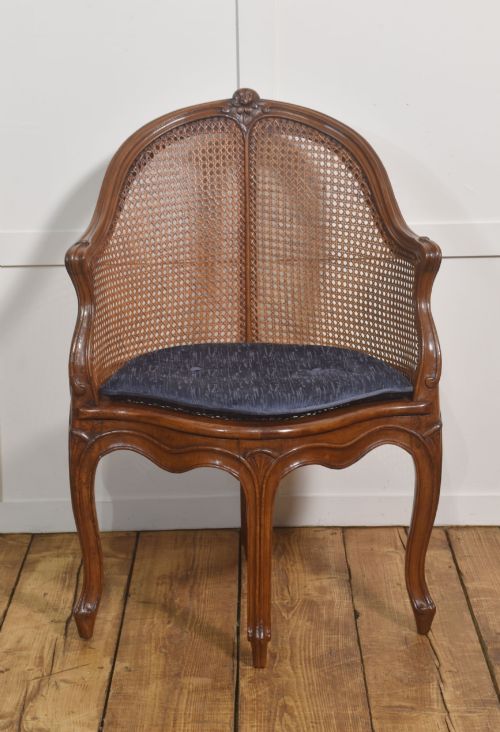
- An enclosed upholstered armchair with wooden framing and cane sides. The seat usually incorporates a loose, upholstered cushion.
Victorian French Seating: Frequently Asked Questions
How do I identify Napoleon III seating?
Napoleon III pieces often feature lavish buttoned upholstery, ebonised wood, and gilt highlights reflecting French taste during the mid to late nineteenth century.
They lean heavily into revived historical forms, combining plush comfort with ornate frames suited to formal reception rooms.
Were these seats made in Britain or France?
The style draws directly from French design traditions, though many pieces were produced in British workshops influenced by continental aesthetics.
Makers frequently adapted French Rococo and Louis styles to suit Victorian interior fashions.
What is a prie-dieu chair?
A prie-dieu is a low devotional chair featuring an upright back designed for kneeling or leaning during prayer.
Originating in religious contexts, they became popular domestic seating options during the Victorian era.
How should I clean antique velvet upholstery?
Velvet requires gentle brushing with a soft-bristled brush to maintain the pile and remove surface dust without crushing the fabric.
Avoid using water or chemical cleaners directly on nineteenth-century textiles to prevent permanent staining.