
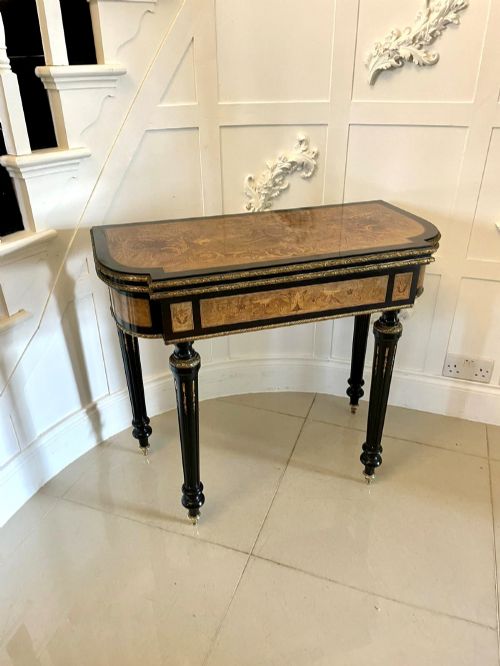
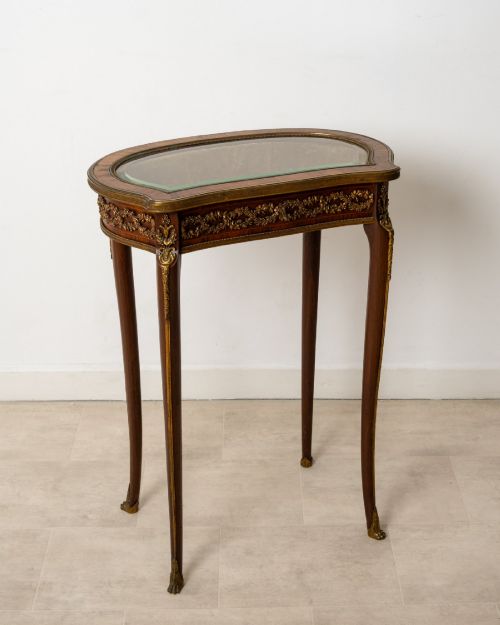
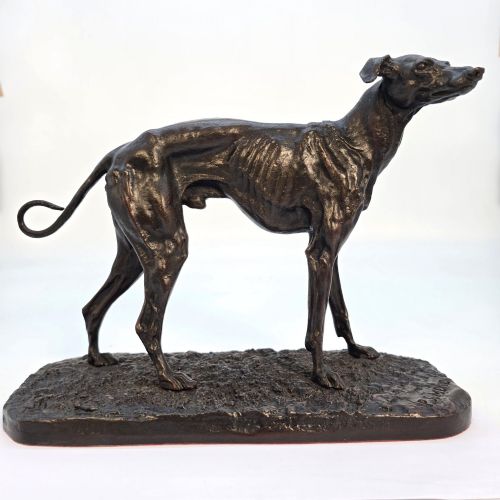
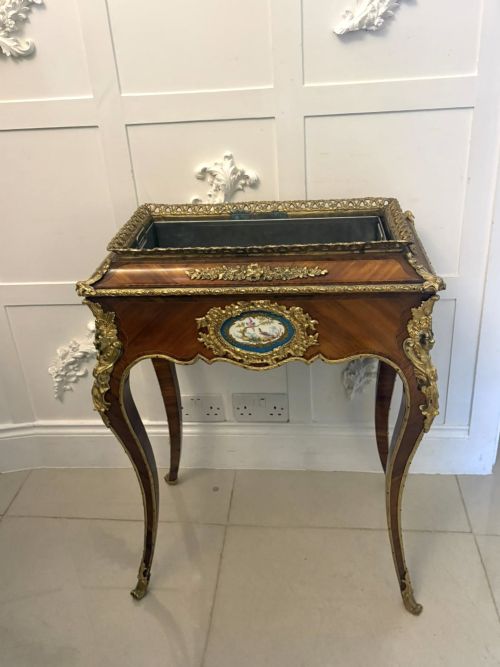
Victorian French Bronze
Victorian french bronze pieces combine heavy cast metalwork with ornate continental styling, bringing nineteenth-century decorative elegance into a modern interior.
Victorian French Bronze
When searching for victorian french bronze, collectors encounter a diverse range of decorative objects dating from the nineteenth century into the early twentieth century. The selection spans utilitarian home accessories and grand ornamental furnishings, heavily influenced by continental revivals and classical design.
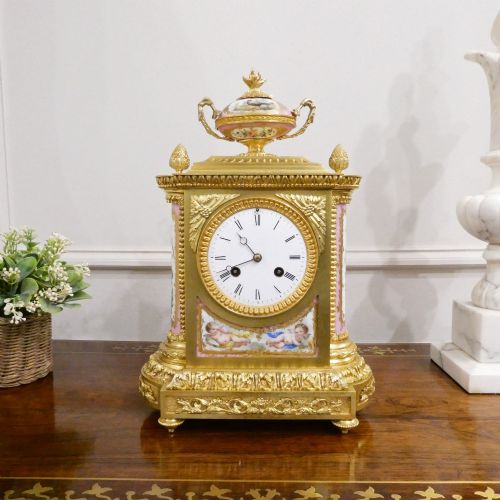
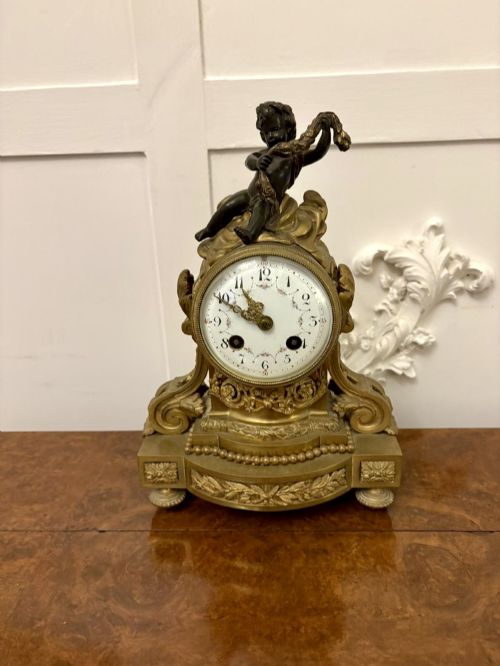
Mantel clocks, candelabra, and sculptural figures dominate the forms found within this category. Pieces frequently incorporate mixed media such as marble, porcelain, and glass alongside the foundational metalwork.
The aesthetic vocabulary draws directly from French Rococo, Louis XV, and Second Empire styles. Buyers frequently select these items to anchor a room with period authenticity and ornate visual weight.
How they were made
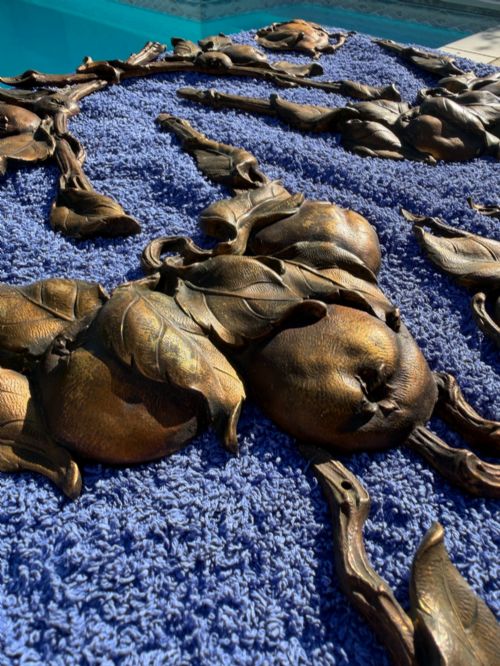
Makers utilised traditional casting techniques to shape bronze and brass into intricate figural and architectural components. Molten metal was poured into detailed moulds, allowing for the creation of sharp relief work and complex sculptural forms.
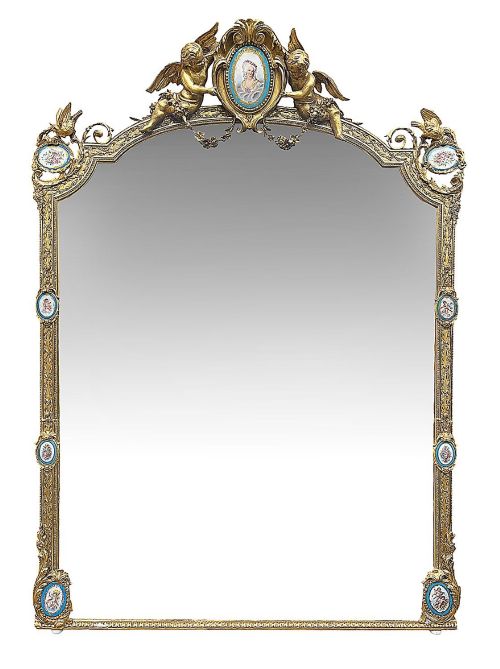
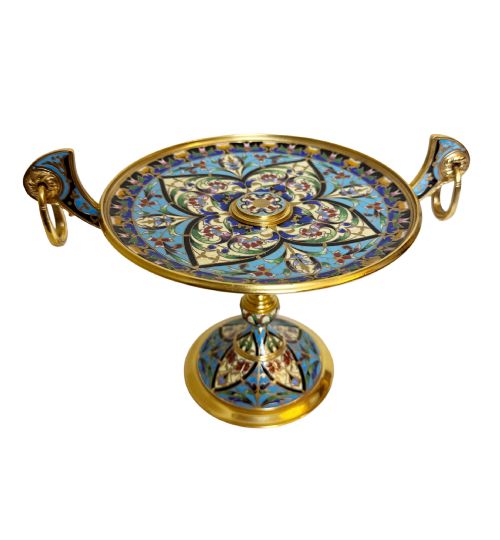
Surface treatments included fire-gilding to produce ormolu and gilt bronze finishes, which added a durable golden sheen to the dark metal base. Champlevé enamel and hand-painted porcelain panels were frequently integrated into the metal frames to introduce colour and pattern.
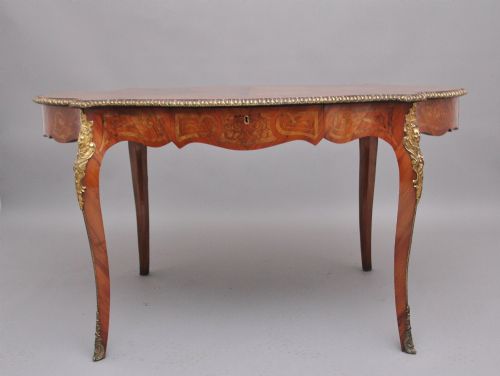
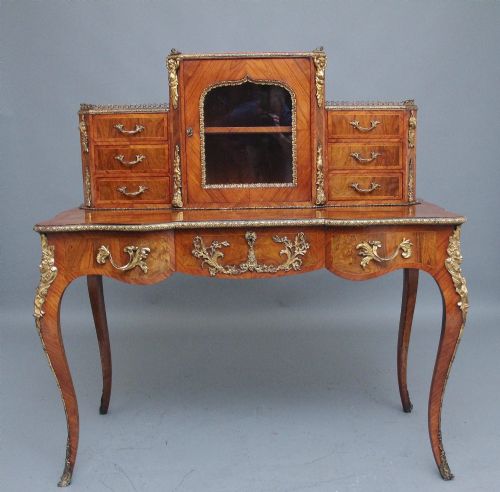
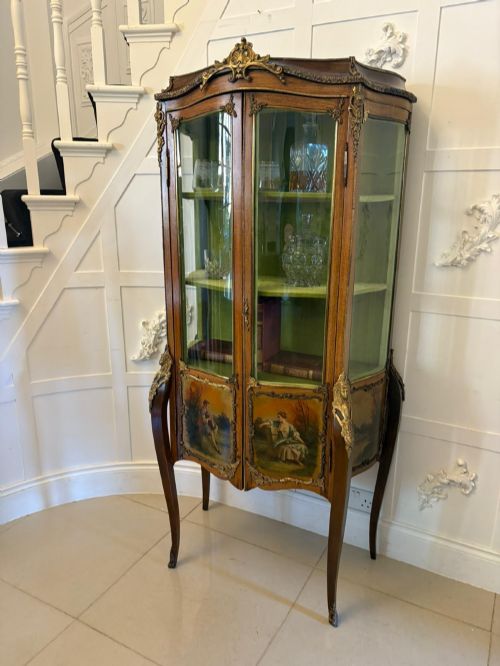
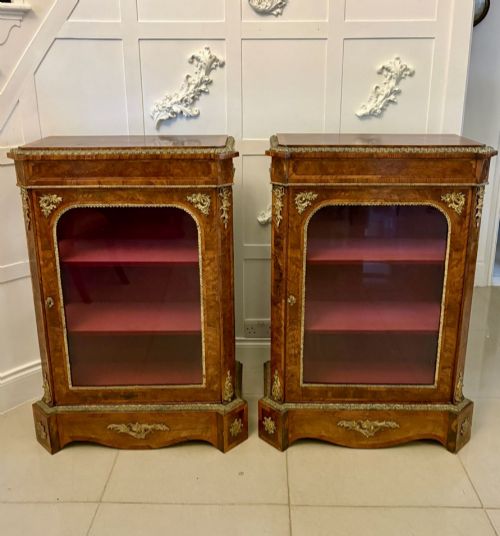
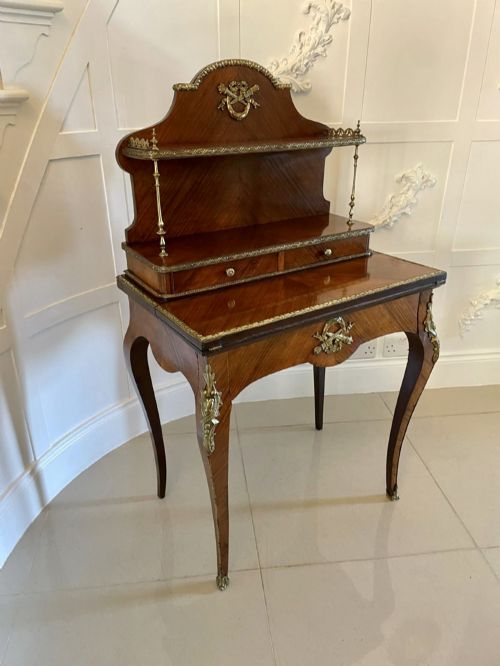
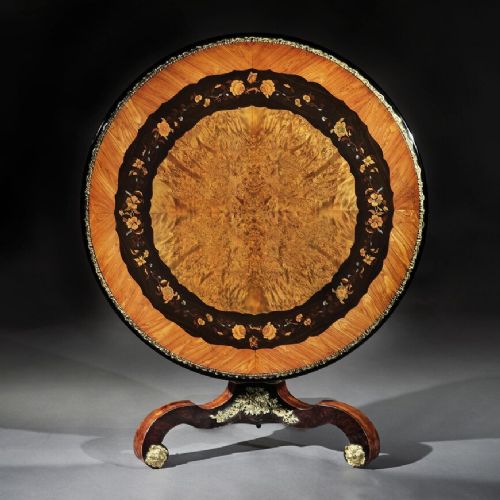
Cabinetry pieces combined exotic timbers such as kingwood and mahogany with applied gilt bronze mounts. Marble tops and inserts were precision-cut and polished to complement the metallic detailing.
Listings feature nineteenth-century materials including gilt bronze, ormolu, champleve enamel, kingwood, and Sevres porcelain.
What varies in quality
The crispness of the chasing and finishing work separates standard production items from superior examples. Master artisans hand-chased the cast bronze surfaces after removal from the mould, sharpening details in hair, drapery, and foliate scrolls.
The weight and gauge of the metal indicate the underlying standard of manufacture. Heavy, substantial castings retain structural integrity and allow for deeper, more dimensional ornamentation than thin pressed sheets.
The integration of secondary materials dictates overall refinement. High-tier objects feature flawless porcelain inserts, perfectly fitted marble bases, and complex mechanical movements in clocks rather than superficial assembly.
Edward Holmes Baldock·Gabriel Viardot·Barbedienne·Henry Marc·Prosper LeCourtier·Ernest Rancoulet
The Victorian French Bronze Glossary
- Ormolu
- A gilded bronze finish achieved through the application of a mercury-gold amalgam to the metal surface. This historic technique produces a distinctive, warm golden lustre.
- Champlevé
- An enamelling technique where troughs are dug into the metal surface and filled with vitreous enamel before firing. It creates vibrant patterns of coloured glass within the bronze framework.
- Tazza
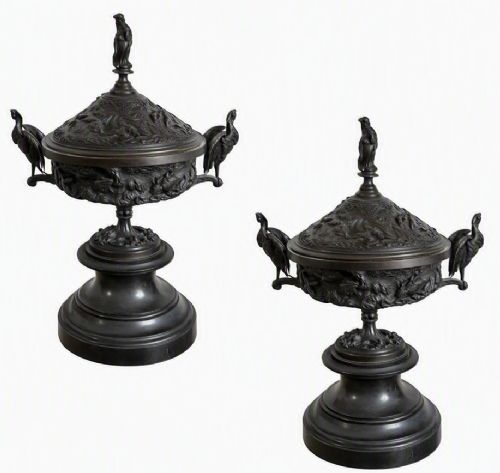
- A shallow ornamental vase or cup raised on a stem and footed base. These pieces were often fashioned from bronze and mounted on marble pedestals.
- Spelter
- An alloy of zinc and lead used as a cheaper substitute for bronze. It mimics the appearance of cast bronze when painted or bronzed.
- Vernis Martin
- A type of simulated Japanese lacquer developed in France, frequently seen on furniture panels accompanying gilt bronze mounts.
Victorian French Bronze: Frequently Asked Questions
How do I clean gilt bronze?
Dust surfaces gently with a soft, dry brush to prevent accumulation in crevices. Avoid harsh chemical cleaners or abrasive cloths that can strip the delicate gilt layer.
Moisture should be kept away from mixed media elements like porcelain and enamel. Professional conservation is recommended for heavily tarnished or structurally compromised items.
Are mantel clocks still working?
Many nineteenth-century clocks retain their original mechanical movements and strike trains. Some require professional servicing or calibration to keep accurate time after transport.
Wind them carefully using the correct key, avoiding overwinding the mainspring. Minor adjustments to the pendulum may be needed to achieve an even beat.
How do I spot spelter?
Spelter is significantly lighter than bronze and feels less rigid under pressure. A close look at worn areas may reveal a greyish metal beneath the surface finish.
Bronze develops a deep patina over time and resists bending. Spelter is softer and more prone to snapping at thin structural points like ankles or fingers.
Where were these pieces used?
Wealthy nineteenth-century households displayed these items across formal reception rooms, drawing rooms, and studies. Candelabra and clocks anchored mantelpieces, while tazzas and urns sat upon centre tables.
Chandeliers provided overhead illumination for grand dining spaces and hallways. Smaller decorative trays and mirrors were designed for dressing tables and boudoirs.