



Victorian Fold Down Table
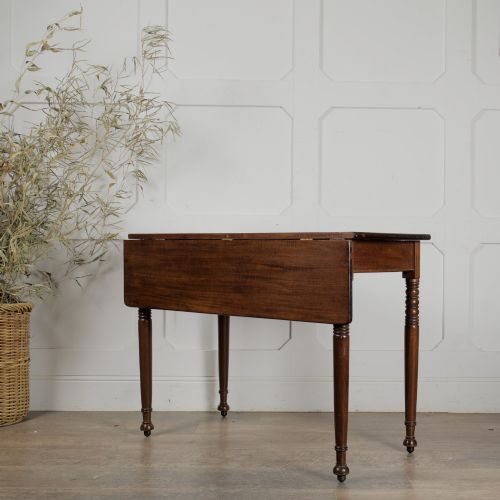
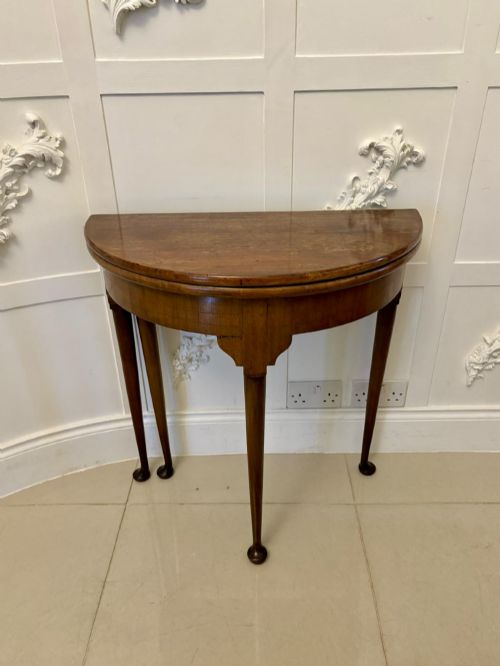
These Victorian fold down table examples are practical folding furnishings designed to save space, and collectors prize them for their adaptable surfaces.
Victorian Fold Down Table
Buyers will most frequently encounter walnut and mahogany varieties on this page, often dating from the mid to late nineteenth century. These pieces reflect the functional domestic requirements of their era, serving variously for dining, tea, or card games.
How they were made
Cabinet makers utilised dense timber stocks such as mahogany and walnut, frequently incorporating burr walnut veneers to create decorative figure on table tops. Selected examples also display intricate carving in rosewood or inlaid details in satinwood.
Folding mechanisms rely on clever pivoting actions, drop leaves, and hinged tops supported by wooden gatelegs or rotating frames. Additional structural hardware includes brass and ceramic components integrated into the joints and castors.
Victorian Fold Down Table Retail Price Guide 2026
Typical asking prices for victorian fold down table among the pieces listed under this phrase on Sellingantiques today, from the lower quarter to the upper quarter. They describe what is for sale here now, not the wider market.
Table forms represented include occasional, card, Pembroke, tea, and Sutherland variants, incorporating brass and ceramic elements.
What varies in quality
The standard of timber selection and veneer matching defines the upper tier of these tables, where grain patterns flow harmoniously across the folding surfaces. Lesser examples utilise plain timbers with simpler construction and less attention to decorative finish.
Refinement in the pivoting and folding mechanisms also separates standard production from superior pieces. Higher quality tables operate smoothly on their hinges and drop leaves without excessive play in the joints.
The Victorian Fold Down Table Glossary
- Sutherland table
- A narrow drop-leaf table with exceptionally small folding flaps supported by swinging legs. This form originated in the Victorian era and functions well as an occasional piece.
- Pembroke table
- A small table featuring two hinged leaves on opposite sides and usually a single drawer. It was popular throughout the nineteenth century for versatile placement.
- Card table
- A folding table designed specifically for card games, featuring a hinged top that opens out to reveal a baize-lined playing surface. They often double as console tables when closed.
- Tea table
- A small table intended to hold tea service equipment, frequently designed with a fold-over top. These pieces date across multiple nineteenth century periods.
- Burr walnut
- A prized wood veneer obtained from walnut tree growths, displaying swirling, highly decorative grain patterns. Cabinet makers utilised it on prominent surfaces of Victorian furniture.
Victorian Fold Down Table: Frequently Asked Questions
What is a Victorian fold down table used for?
These tables served various domestic functions depending on their specific form, such as serving tea, playing cards, or providing extra surface area during gatherings.
Their folding design allowed households to maximise living space by keeping leaves dropped or surfaces folded flat against walls when not in use.
How do I identify a Sutherland table?
Sutherland tables are easily recognised by their notably narrow central frame and wide drop leaves supported by pivoting gatelegs. They fold down into a very slim profile.
This specific configuration distinguishes them from standard Pembroke or tea tables found in nineteenth-century interiors.
Are these tables suitable for daily use?
Most of these pieces remain sturdy enough for regular daily placement in modern rooms, provided they are treated with care. Their compact folding nature makes them practical for smaller spaces.
Owners should use coasters and protect polished timber surfaces from moisture to preserve the nineteenth-century finish.
How do I tell different wood types apart?
Mahogany typically displays a rich reddish-brown tone with straight or ribbon-like grain patterns. Walnut offers darker brown shades with more varied figuring.
Burr walnut is distinct for its intense, swirling knot patterns, while rosewood presents a heavy density with darker striations.