

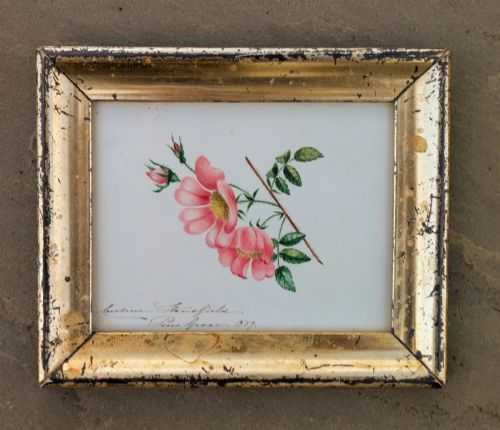


Victorian Flower Study
These Victorian flower study pieces are delicate botanical waterpaintings and framed prints capturing garden blooms that bring period charm to any room.
Victorian Flower Study
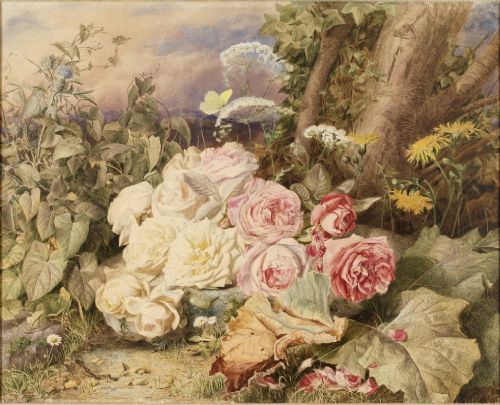
A Victorian flower study captures individual botanical specimens and garden arrangements across paper and canvas mediums. You encounter these works most frequently as delicate waterpaintings or framed prints dated from the nineteenth century into the early twentieth century.
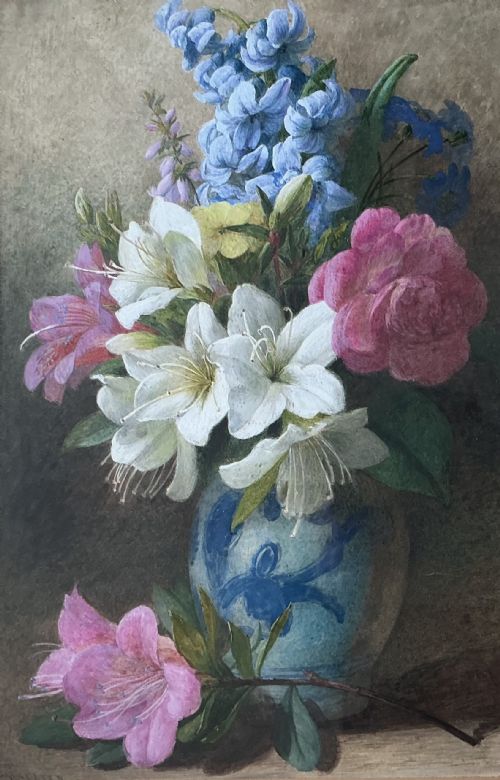
The selection ranges from single floral specimens to composed still-life baskets and wallflowers. Creators rendered species such as fuchsias, wild roses, azaleas, pansies, and pelargoniums with careful attention to natural colour and form.
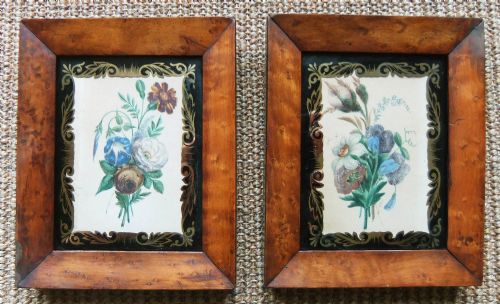
Framed artwork and wall paintings dominate the selection, often preserved behind glass within wooden or gilt wood frames. These items reflect the Victorian and Edwardian fascination with natural history, botany, and domestic horticulture.
How they were made
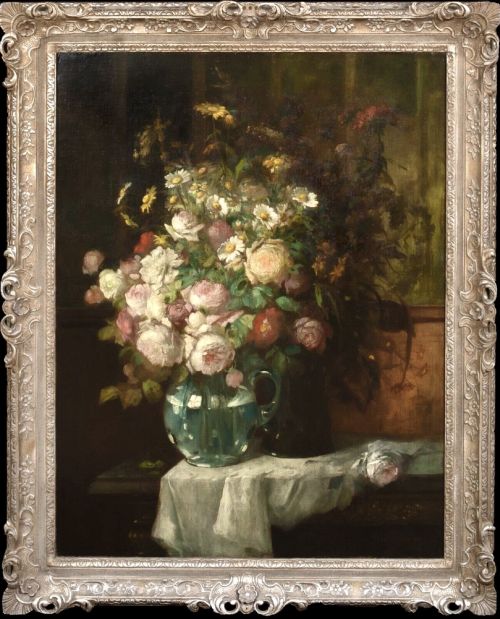
Artists applied watercolour paint and pigment onto paper surfaces to achieve translucent petals and fine stem details. Other examples utilise oil painting techniques on canvas to capture heavier still-life arrangements with depth and texture.
Makers housed these fragile waterpaintings and prints inside protective wooden and gilt wood frames, frequently placing them behind glass to prevent moisture and dust damage over generations.
Victorian Flower Study Retail Price Guide 2026
Typical asking prices for victorian flower study among the pieces listed under this phrase on Sellingantiques today, from the lower quarter to the upper quarter. They describe what is for sale here now, not the wider market.
Victorians occasionally pressed dried flora directly alongside watercolour studies, blurring the line between painted illusion and actual garden specimens.
What varies in quality
The distinction between ordinary and superior examples rests upon the precision of the brushwork and the botanical accuracy of the rendered bloom. Master hands captured the delicate translucency of petals and the natural posture of stems with convincing fidelity.
Condition and original framing significantly influence the standing of a piece. Works retaining their nineteenth-century paper integrity without severe fading, housed inside period wood or gilt frames, represent the stronger survivals.
Edith Barrow·Grace Hastie·Marian Chase·L Wilford·Charlotte Isa James·Annie Mary Youngman·Minnie Smythe
The Victorian Flower Study Glossary
- Watercolour
- A paint consisting of pigment suspended in a water-based solution, applied to paper to create translucent colour washes. This medium defined the bulk of botanical illustration during the Victorian period.
- Gilt wood
- Timber frames coated with a thin layer of gold leaf or metallic gilt paint. These frames added reflective warmth and formal presence to domestic wall art.
- Botanical specimen
- A scientific or aesthetic rendering of a plant, flower, or leaf structure. Artists recorded these subjects to document specific flora or to decorate domestic interiors.
- Still-life
- A painting or study featuring inanimate subject matter, typically commonplace objects or cut flowers. These compositions allowed artists to study light, shadow, and arrangement within a controlled interior setting.
Victorian Flower Study: Frequently Asked Questions
What is a Victorian flower study?
A Victorian flower study is a painted or printed botanical artwork depicting flowers, plants, or still-life arrangements from the nineteenth century.
These pieces capture the era's deep interest in gardening and natural history through detailed waterpaintings and framed prints.
How were these floral watercolours displayed?
Original owners typically hung these artworks on domestic parlour and drawing room walls in matched pairs or small groupings.
Framers enclosed the delicate paper paintings behind glass within wood or gilt frames to protect them from household smoke and light.
How do I identify a nineteenth-century piece?
Examination of the paper substrate, framing materials, and artist signatures often points toward nineteenth-century origins.
Hand-painted watercolours from this era display distinct pigment layering and paper ageing consistent with the period.
Can I hang these artworks in sunlight?
Direct sunlight causes watercolour pigments and dried flora to fade significantly over time.
Position these delicate paper pieces away from direct windows to preserve the original tones of the botanical subjects.