




Victorian Floral Silver Box
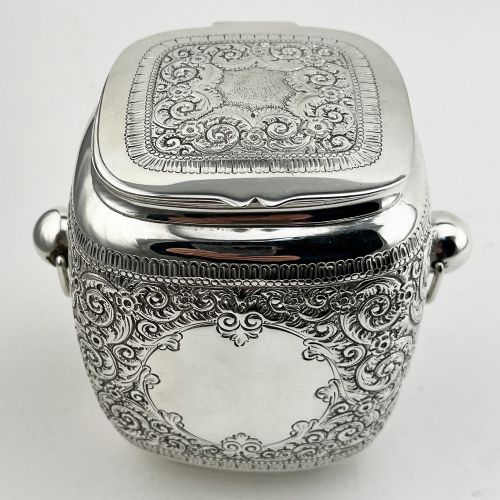
These victorian floral silver box examples are decorative containers fashioned from precious metal and organic inserts, designed to hold personal treasures.
Victorian Floral Silver Box
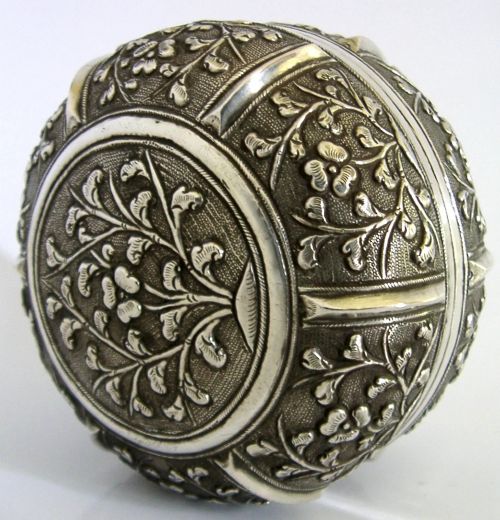
When searching for a victorian floral silver box, buyers encounter an assortment of small containers, trinket holders, and tea caddies spanning the late nineteenth century and the early twentieth century. The selection ranges from domestic sterling silver trinket boxes bearing pierced floral scrollwork to imported Asian export and Anglo-Indian colonial pieces.
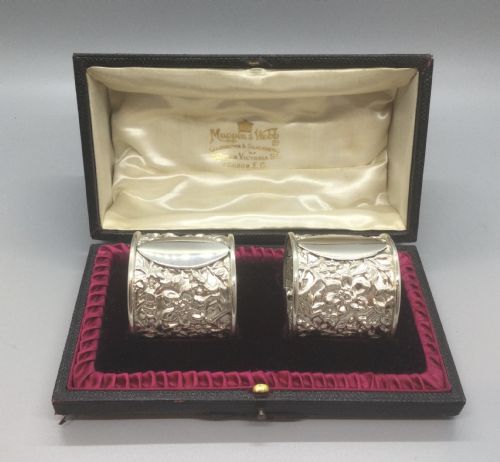
Most items on this page date from the Victorian era through to nineteen hundred, encompassing related domestic accessories like card cases, cotton holders, and biscuit barrels. These objects served utilitarian roles on dressing tables and in drawing rooms, housing keepsakes, sewing accessories, and biscuits.
Makers utilised diverse regional styles, moving from British domestic floral embossing to intricate Indo-Chinese export motifs and Art Nouveau designs. The forms vary from heart-shaped trinket boxes to cylindrical tea caddies and hinged bangles.
How they were made
Silversmiths constructed these pieces using sterling silver and silver plate, frequently combining the metalwork with organic materials such as tortoiseshell, mother of pearl, bone, and ceramic. The integration of contrasting textures created tactile surfaces that enhanced the visual appeal of the containers.
Decoration relied heavily on chased and pierced floral scrollwork, demonstrating precision in handling sheet metal and cast mounts. Artisans also incorporated leatherette linings and hinged mechanisms to ensure structural integrity and daily utility.
Materials paired with silver across these items include tortoiseshell, mother of pearl, bone, ceramic, and leatherette.
What varies in quality
The distinction between standard and superior examples lies in the crispness of the floral embossing and the complexity of the piercework across the silver surface. Pieces featuring detailed hand-chased motifs demand greater artisan skill than mass-produced stamped alternatives.
Material combination further elevates a piece, particularly where tortoiseshell or mother of pearl is meticulously inlaid into the silver framework. The inclusion of clear hallmarks and identifiable maker stamps adds historical definition to the construction.
Martin Hall And Co·William Hutton
The Victorian Floral Silver Box Glossary
- Sterling silver
- An alloy containing ninety-two point five percent silver by mass, with the remainder being other metals, usually copper. This standard ensures the durability required for intricate domestic boxes and accessories.
- Pierced work
- A technique where metal is cut through to create openwork decorative patterns such as floral scrolls. It lightens the visual weight of the silver while displaying underlying materials or linings.
- Tortoiseshell
- A material derived from the shell of larger sea turtles, utilised as a contrasting dark backing or inlay behind silver mounts. Its rich amber and brown tones complement polished metal surfaces.
- Tea caddy
- A container originally designed to store tea leaves securely before the substance became cheap and abundant. Many survive as general trinket boxes on this page.
- Hallmark
- An official stamp applied to precious metals indicating the standard of purity, the assay office, and the year of manufacture. It provides verifiable evidence of origin for collectors.
Victorian Floral Silver Box: Frequently Asked Questions
What were silver trinket boxes used for?
These small containers sat upon dressing tables and mantelpieces to hold rings, brooches, and other valuable personal trinkets. They kept delicate items protected from dust while adding a decorative element to the room.
In some instances, specialised variants housed sewing accessories, cotton, or calling cards. Their presence signified a refined domestic interior where small luxuries had dedicated places.
How do I date a silver floral box?
Dating relies heavily on legible hallmarks stamped into the metal, which reveal the assay office and exact year of production. Stylistic clues, such as the flowing organic curves typical of nineteen hundred or the heavier embossed floral motifs of the Victorian period, offer further guidance.
The integration of specific companion materials like tortoiseshell or ceramic bodies also points toward distinct manufacturing decades within the nineteenth and twentieth centuries.
Are all these boxes made of solid silver?
The inventory includes both solid sterling silver pieces and silver plated items over base metals. Some examples also incorporate non-metal components like ceramic bodies or mother of pearl panels.
Examining the weight, hallmarks, and surface wear helps distinguish between solid metal construction and plated finishes. Each material combination reflects the specific manufacturing traditions of its origin.
How should I clean my antique silver box?
Maintenance requires gentle cleaning with a soft microfibre cloth designed specifically for silver to preserve the antique finish and chased details. Avoid harsh chemical dips that strip away the natural patination accumulated over generations.
Take care around organic elements like tortoiseshell or bone inserts, keeping moisture away from glued joints and delicate hinges. Regular, careful dusting is usually sufficient for everyday upkeep.